
Rajasthan's New Tourism Horizon
The Rajasthan government is actively broadening its tourism strategy, aiming to spotlight emerging destinations like Bundi. This strategic push, confirmed by tourism officials, seeks to position the state as a destination with diverse experiences beyond
its world-famous forts and palaces. By promoting lesser-known regions, the goal is to create year-round interest, manage the crowds that flock to established hubs like Jaipur and Udaipur, and offer travellers a more intimate glimpse into the state's cultural fabric. This initiative is backed by new travel marts and promotional campaigns designed to showcase the unique appeal of these quieter corners.
The Bundi Experience: Authenticity over Crowds
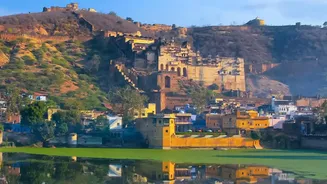
So, what makes Bundi different? The town, nestled in the Hadoti region, offers a distinct atmosphere that contrasts sharply with the commercialised buzz of its more famous counterparts. Imagine narrow lanes lined with blue-washed houses, a quieter rhythm of life, and a sense of history that feels lived-in rather than curated for mass tourism. While it lacks the sheer scale of Jaipur or Udaipur, Bundi's charm lies in its authenticity. It’s a place for slow travel, where wandering through bustling bazaars and discovering hidden temples feels like a personal adventure, not a checklist item. Travellers often find it to be one of Rajasthan's most underrated gems, rewarding those who seek a deeper connection with local culture.
Forts, Palaces, and Sunken Treasures
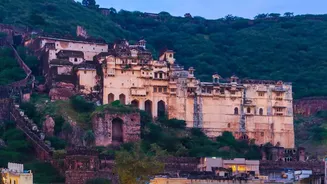
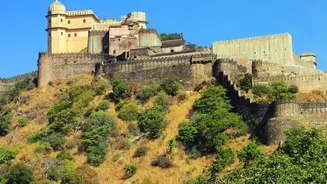
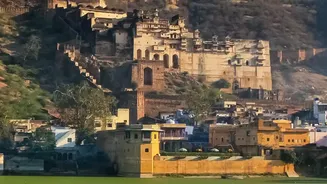
Bundi is not without its share of architectural marvels. The imposing Taragarh Fort, dating back to the 14th century, looms over the town, offering stunning panoramic views. Below it lies the Garh Palace, a sprawling complex built over centuries. Unlike the perfectly restored palaces elsewhere, Bundi's palace feels like a discovery, with faded frescoes and crumbling walls that Rudyard Kipling famously described as "the work of goblins rather than of men." But Bundi’s most unique architectural feature is its abundance of 'baoris' or stepwells. The town is said to have over 50 of these ancient water-harvesting structures. The most magnificent is Raniji ki Baori (Queen's Stepwell), a 46-metre-deep marvel of engineering and artistry, with intricate carvings and multi-storeyed pavilions built in 1699.
A Rich Canvas: The Bundi School of Painting
One of Bundi’s greatest cultural contributions is its unique school of miniature painting, which flourished from the 17th to the 19th century. Known for its vibrant colour palette and depiction of lush landscapes, hunting scenes, and mythological stories, the Bundi style is a delicate blend of Mughal and local Deccani aesthetics. The finest examples can be seen within the Garh Palace at the Chitrashala, a stunning gallery of murals that bring the region's history and legends to life. This artistic legacy gives Bundi a cultural depth that sets it apart, offering art lovers a specific and compelling reason to visit.
The Verdict: Jaipur's Polish vs. Bundi's Soul
Ultimately, the choice between Bundi and a city like Jaipur or Udaipur comes down to travel style. Jaipur offers grandeur, accessibility, and a vast array of tourist amenities. Udaipur provides lakeside opulence and romantic vistas. Both are magnificent, but can also be crowded and overwhelming. Bundi, in contrast, offers soul. It’s for the traveller who prefers quiet exploration to guided tours, authenticity to polish, and history that whispers rather than shouts. While you might forego some modern comforts, you gain a sense of discovery and a connection to a Rajasthan that feels wonderfully preserved in time. It's a destination that rewards curiosity and proves that sometimes, the state's most profound treasures are found off the beaten path.