

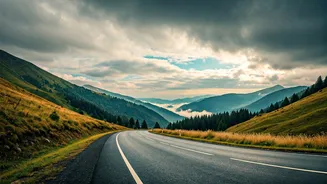




The New Corner Office: A Himalayan Balcony
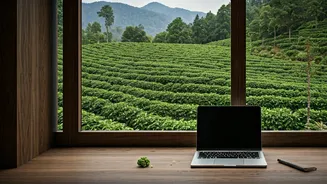
The phrase ‘work from home’ has taken on an entirely new, aspirational meaning. For a rising number of professionals across India, home is no longer a stuffy city apartment but a serene homestay nestled in the mountains of Sikkim. This is the ‘workation’
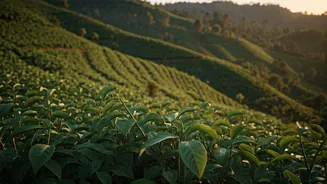
trend, supercharged. Instead of a short holiday, people are booking extended stays of weeks or even months, equipped with laptops, dongles, and a desire for a better work-life balance. The daily grind is transformed: morning meetings are paired with views of mist-covered peaks, lunch breaks become short walks through terraced fields, and the evening wind-down involves sipping butter tea with a local family instead of navigating rush-hour traffic. It’s a fundamental shift in perspective, moving the office from a place of stress to a source of tranquility and inspiration.
Why Sikkim, and Why Now?
Several factors have converged to make Sikkim the epicentre of this movement. The post-pandemic normalisation of remote work is the primary driver. Companies have become more flexible, allowing employees to work from anywhere with a stable internet connection. But why Sikkim specifically? The state has long been celebrated for its pristine natural beauty, political stability, and low crime rate, making it an attractive destination for solo travellers and families alike. Furthermore, the Sikkim government has actively promoted sustainable and rural tourism, leading to a boom in registered, high-quality homestays. Unlike other crowded hill stations, many parts of Sikkim offer a genuine escape, providing the peace and quiet necessary for deep, focused work. The timing is perfect: as urban burnout reaches an all-time high, Sikkim offers a tangible, accessible antidote.
The Homestay Advantage: Beyond a Bed
Opting for a homestay over a hotel is central to the appeal of a Sikkimese workation. A hotel offers sterile anonymity; a homestay provides connection and culture. Hosts are not just landlords but local guides, storytellers, and often, incredible cooks. This is where the experience transcends a simple change of scenery. Guests get to savour authentic, home-cooked Sikkimese cuisine—think fresh, organic vegetables from the garden, fragrant dal, and local specialties you won't find in a commercial restaurant. The arrangement fosters a sense of community. You aren't just a tourist; you are a temporary member of a household, sharing stories over dinner and gaining a deeper understanding of the local way of life. This cultural immersion provides a richness that combats the isolation often associated with remote work.
The Practicalities: Wi-Fi and Other Worries
The romantic idea of working from the mountains often crashes against the reality of a patchy internet connection. So, how feasible is it in Sikkim? While you shouldn't expect blazing-fast fibre optic speeds in a remote village, the situation has improved dramatically. Most homestays in popular areas like Gangtok, Pelling, and Namchi now offer decent Wi-Fi, sufficient for video calls, emails, and general cloud-based work. For those venturing into more remote areas like Dzongu or West Sikkim, it's wise to carry a reliable mobile hotspot (Jio and Airtel have decent coverage in many parts). Power cuts can occur, so a power bank for your laptop is a non-negotiable accessory. Cost-wise, long-term stays are surprisingly affordable. Many homestays offer discounted weekly or monthly rates that are often cheaper than renting a small flat in a metro city, especially when factoring in the home-cooked meals that are usually included.
Finding Your Mountain Muse
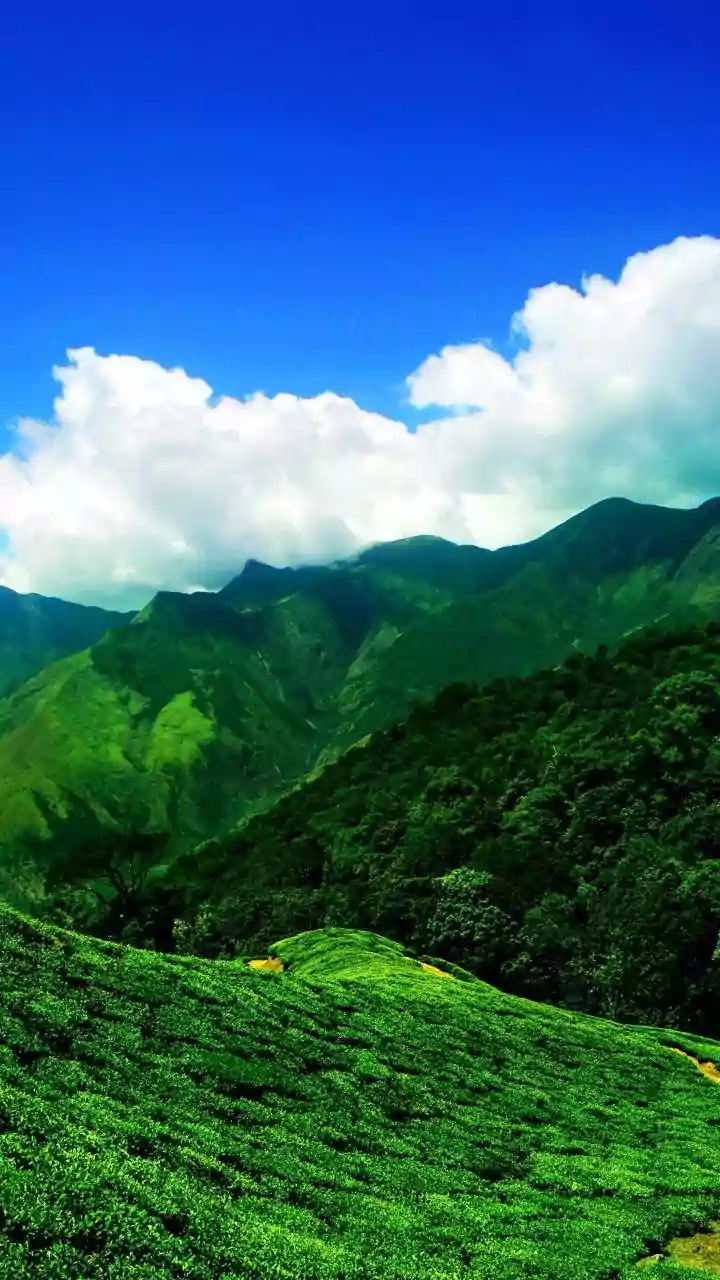
So, how do you find the right spot? The key is to match the location to your work needs. If you require rock-solid connectivity and easy access to amenities, consider homestays on the outskirts of Gangtok or in towns like Namchi. These offer a good balance of urban facilities and natural beauty. If your work is less demanding on bandwidth and you crave solitude and epic views, destinations in West Sikkim like Pelling or Yuksom are ideal, offering breathtaking panoramas of the Kanchenjunga range. For a deep dive into indigenous culture, look for community-run homestays in areas like Dzongu, the reserved territory for the Lepcha people. Booking platforms and dedicated travel groups on social media are filled with reviews and recommendations, making it easier than ever to find a place that fits your budget and work style.