





Looking for a simple way to make your breakfast healthier? The answer might be hiding in your pantry. Sunflower seeds are tiny powerhouses of nutrition that can easily elevate your morning meal, providing sustained energy and a satisfying crunch.
A Tiny Seed with Mighty Benefits
Don't
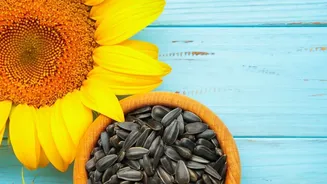
underestimate the humble sunflower seed. Each tiny kernel is packed with an impressive array of nutrients. They are an excellent source of vitamin E, a powerful antioxidant that protects your cells from damage. Just one ounce (about 28 grams or a small handful) can provide a significant portion of your daily vitamin E needs. They are also rich in healthy fats, primarily monounsaturated and polyunsaturated fats, which are known to support heart health by helping to manage cholesterol levels. Furthermore, sunflower seeds deliver a good amount of plant-based protein and dietary fibre, which work together to help you feel full and satisfied. They're also loaded with essential minerals like magnesium, which is vital for muscle function, and selenium, an antioxidant that supports your immune system.
Why Add Them to Your Breakfast?
Starting your day with sunflower seeds is a strategic move for your well-being. The combination of protein, fibre, and healthy fats provides a slow, steady release of energy, helping you avoid that mid-morning slump. This feeling of satiety can also aid in weight management by reducing the urge to snack on less healthy options before lunch. The nutrients within them, such as vitamin E, zinc, and selenium, work together to bolster your immune system, preparing your body to fend off infections. Adding them to your breakfast bowl is a simple, effective step toward a more balanced and nutrient-dense diet, setting a positive tone for the rest of your day.
How Much is Just Right?
While sunflower seeds are incredibly healthy, moderation is key. They are calorie-dense, so it's important to be mindful of portion sizes. A standard serving is typically considered to be one ounce, which is about 1/4 cup or a small handful (around 28-30 grams). Sticking to this daily amount allows you to reap the benefits without overconsuming calories or fat. It's also worth noting that sunflower seeds contain traces of cadmium, a heavy metal that, in very large quantities over time, can be harmful to the kidneys. Consuming them in moderation mitigates this risk. For most people, a daily spoonful or two is a safe and beneficial amount.
Creative Ideas for Your Breakfast Bowl
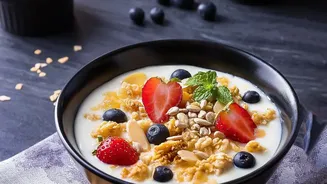
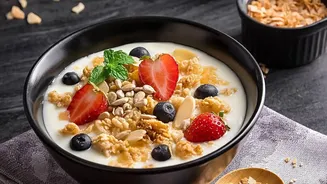
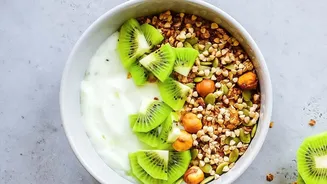
Incorporating sunflower seeds into your morning routine is easy and versatile. For a classic sweet and nutty bowl, sprinkle them over a bowl of oatmeal or daliya along with some fruit and a drizzle of honey. They add a delightful crunch to yogurt bowls, pairing perfectly with diced apples, cinnamon, and pumpkin seeds. If you prefer a savoury start, try scattering roasted sunflower seeds over poha or upma just before serving. They can also be blended into a flavourful chutney with tomatoes and garlic, which makes a wonderful accompaniment to idli or dosa. For a quick and protein_packed meal, you can even stir them into scrambled eggs for added texture and nutrition.
Raw, Roasted, or Sprouted?
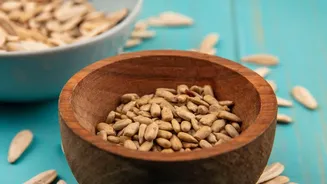
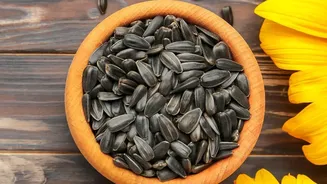
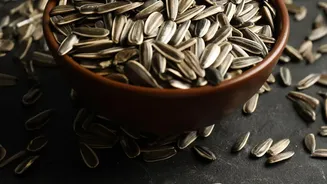
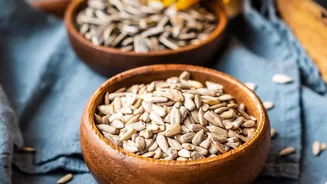
You'll find sunflower seeds in a few different forms, and each has its place. Raw seeds retain the most nutrients and are perfect for blending into smoothies or making homemade seed butter. Roasted seeds have a deeper, nuttier flavour and a crunchier texture, making them an excellent topping for salads, porridge, and yogurt. When buying roasted seeds, opt for unsalted varieties to keep your sodium intake in check. Sprouted sunflower seeds are also an option, but be sure to source them from a reputable supplier to avoid the risk of bacterial contamination like Salmonella. For most breakfast applications, raw or dry roasted seeds offer the best combination of flavour, convenience, and nutritional value.