




The Monsoon Health Challenge
The shift from summer heat to monsoon humidity creates an ideal environment for viruses and bacteria to thrive. Stagnant water becomes a breeding ground for mosquitoes, leading to a rise in vector-borne diseases like dengue and malaria. Additionally,
the risk of water contamination increases, making waterborne ailments such as typhoid and stomach infections more common. The frequent temperature fluctuations and high moisture in the air can also weaken our body's natural defences, making us more susceptible to common colds, coughs, and viral fevers. During this period, paying extra attention to your body's immune response is not just advisable; it's essential for staying healthy and enjoying the season.
Probiotics: Your Gut's Immune Guardians
A significant portion of your immune system resides in your gut, where trillions of microorganisms live. Probiotics are live, beneficial bacteria that help maintain a healthy balance in this complex gut microbiome. They support your immune system in several ways. Firstly, they compete with harmful bacteria for space and nutrients, preventing them from taking hold in your gut. Secondly, they strengthen the gut lining, creating a robust barrier that stops pathogens from entering the bloodstream. Thirdly, these friendly microbes interact with and help 'train' your immune cells, modulating their response to ensure they are effective against invaders without overreacting and causing inflammation.
The Advantages of Homemade Preparations
While store-bought probiotic products are convenient, homemade versions offer distinct advantages. When you make fermented foods at home, you have complete control over the ingredients, avoiding the added sugars, preservatives, and artificial flavours often found in commercial products. Homemade ferments, especially those made from live starter cultures, often contain a wider diversity of beneficial bacterial strains compared to their factory-produced counterparts, which are typically standardized with a few specific strains. The fermentation process can also be extended at home, potentially increasing the concentration of live cultures. This makes homemade probiotics a purer, more potent, and cost-effective way to support your gut health.
India’s Traditional Probiotic Pantry
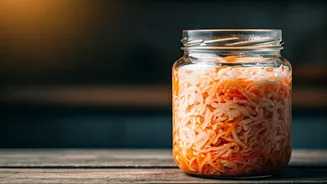
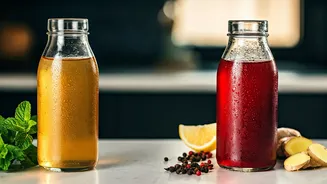
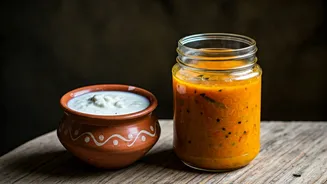
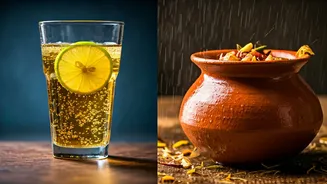
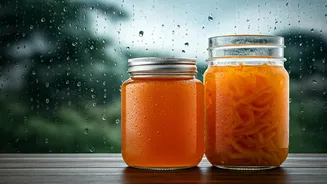
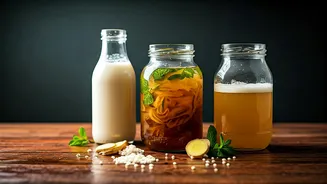
Indian kitchens have a rich tradition of preparing fermented foods that are natural sources of probiotics. Dahi (Curd): Perhaps the most common probiotic, homemade dahi is created by fermenting milk with live bacterial cultures. A small bowl daily can significantly support gut health and immunity. Chaas (Buttermilk): This refreshing drink, made by whisking curd with water and spices like roasted cumin, is not only hydrating but also packed with the same beneficial bacteria as dahi. Kanji: A traditional North Indian fermented drink made from black carrots or beetroot, mustard seeds, and water. This tangy beverage is a powerhouse of probiotics and antioxidants. Idli/Dosa Batter: The overnight fermentation of rice and dal batter not only makes idlis and dosas fluffy and digestible but also enriches them with beneficial lactic acid bacteria. Homemade Achaar (Pickle): Traditional pickles fermented naturally in salt and sunlight (not those preserved in vinegar) can be a good source of probiotics when consumed in moderation.
Getting Started Safely at Home
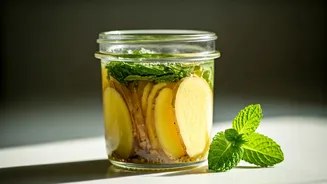
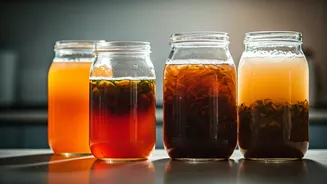
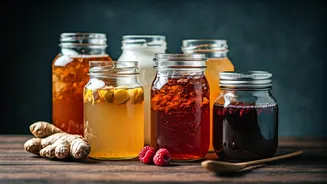
Making your own probiotics is simple, but following basic hygiene is crucial for a safe and successful ferment. Always start with thoroughly cleaned and sterilized containers; glass or ceramic jars are ideal. When making vegetable ferments like Kanji or achaar, use non-iodized salt, as it is essential for controlling the fermentation process and preventing the growth of harmful bacteria. Keep your fermenting foods submerged in their brine to create an oxygen-free environment where beneficial lactobacillus can thrive. During fermentation, gases are produced, so it’s important to use a container that allows gas to escape. Once your ferment has reached the desired tanginess, move it to the refrigerator to slow down the fermentation process and preserve its flavour and texture.