


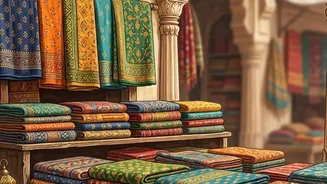
A Hunger for Authenticity
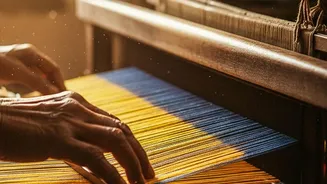
In an era dominated by mass production, there is a growing desire for the unique and the personal. Handloom and artisan-made garments offer just that. Unlike machine-made fabrics engineered for perfect uniformity, handwoven textiles carry the subtle,
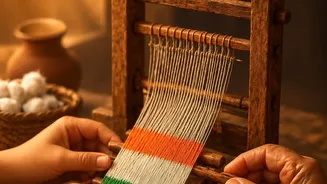
beautiful 'imperfections' of human touch. Each piece is one-of-a-kind, reflecting the weaver’s mood, rhythm, and skill. This tangible connection to a real person—an artisan who has spent years mastering their craft—infuses the clothing with a story and a soul that mass-produced items can never replicate. For the everyday dresser, wearing such a piece is a quiet rebellion against the impersonal, a way to own something with history and character.
The Rise of Conscious Consumerism
Fashion is one of the world's most polluting industries, a fact that is not lost on today's consumers. The appeal of handloom is deeply connected to a shift towards sustainability and ethical choices. The handloom process is inherently eco-friendly; it uses minimal to no electricity, relying on human energy instead, which significantly reduces its carbon footprint. Many artisans use natural fibres like cotton and linen, along with plant-based dyes, which are biodegradable and free of harmful chemicals. By choosing handloom, consumers are not just buying a beautiful garment; they are making a statement. They are supporting a more sustainable production model, preserving ancient craft traditions, and ensuring fair livelihoods for artisan communities, many of which are in rural India.
Unmatched Comfort and Practicality
Beyond the ethics and aesthetics, handloom fabrics are incredibly practical for everyday wear. Made from natural fibres, they are known for their breathability, making them ideal for India's varied climate. They keep you cool in the heat and provide warmth when it's cool. Handloom cotton and linen are highly absorbent, lightweight, and feel soft against the skin, a feeling often described as a gentle hug. Despite their delicate appearance, handwoven fabrics are also remarkably durable. The tight, manual construction results in a long-lasting quality that far surpasses many machine-made textiles, making them a worthy investment for any wardrobe.
Modern Designs Meet Ancient Crafts
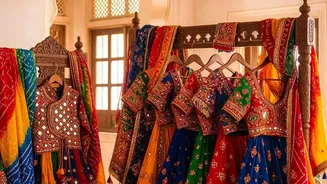
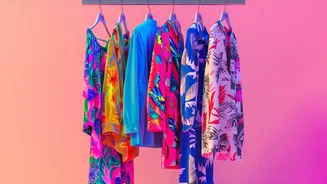
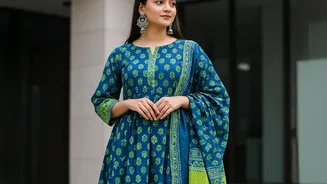
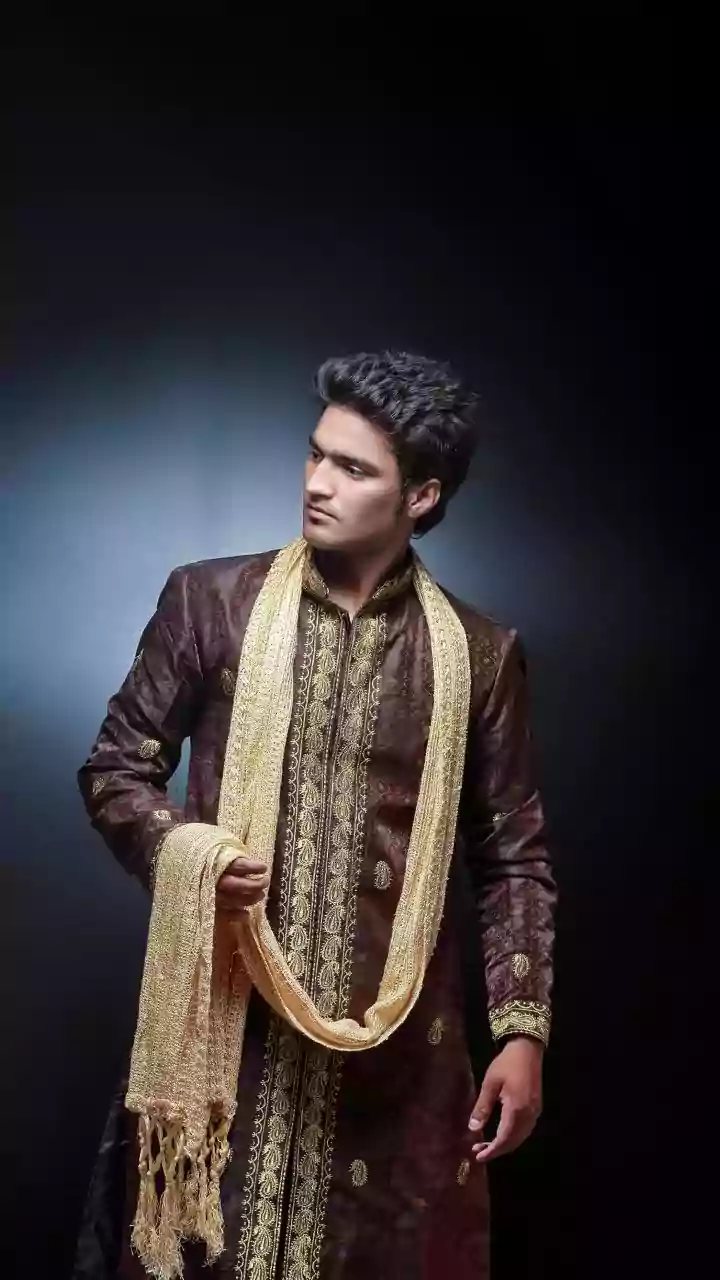
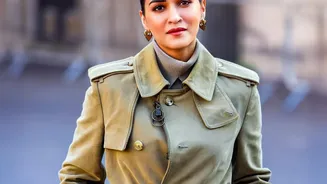
Handloom is no longer confined to traditional silhouettes. A new wave of Indian designers is breathing fresh life into heritage textiles, making them relevant for contemporary wardrobes. They are transforming fabrics like Chanderi, Banarasi brocade, and Khadi into chic, modern cuts—from tailored trousers and sharp blazers to relaxed shirts and versatile dresses. This fusion of old and new allows everyday dressers to incorporate a piece of Indian heritage into their modern lives seamlessly. Whether it's a hand-block printed shirt for the office or a Jamdani weave styled as a contemporary dress, artisan details are becoming a signature of sophisticated, personal style.