






The Old Way vs. The AI Way
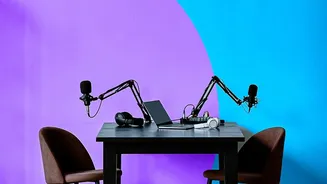
Until recently, turning a long-form podcast or video into short, vertical reels for platforms like Instagram and YouTube was a labour-intensive process. A creator or their editor would have to manually listen to the entire recording, identify potentially
interesting moments, make precise cuts, reframe the video from horizontal to vertical, and painstakingly add captions. This process could take hours for a single episode, a luxury many creators, especially those in Tier 2 cities without large teams or budgets, simply couldn't afford. AI video editors have completely changed this workflow. Now, a creator can upload their long video file, and the software does the heavy lifting. It automatically transcribes the audio, identifies different speakers, and uses its intelligence to pinpoint the most engaging or 'viral' moments. Within minutes, it presents a selection of ready-to-post clips, complete with dynamic captions and reframing. This reduces post-production time by as much as 80-90%.
How the AI Magic Actually Works
The technology behind these tools is a sophisticated blend of different AI models. First, speech-to-text AI creates a full, time-stamped transcript of the conversation. This allows the software to 'read' the content. Then, Natural Language Processing (NLP) models analyze the text to understand topics, keywords, and sentiment. Some of the most advanced tools, like Opus Clip, even incorporate 'multimodal' analysis, which means they also assess visual cues, tone of voice, and emotional peaks to find the most compelling segments. They look for hooks, questions, and strong statements that are likely to capture a viewer's attention. The AI then automatically edits these selections into short clips, a feature often called 'AI clipping' or 'moment detection'.
Game-Changing Features for Creators
Beyond just finding clips, these platforms offer a suite of features that level the playing field. Automatic animated captions are a huge advantage, as most social video is watched without sound. The AI not only transcribes but also animates the words on screen in engaging styles. 'Active speaker detection' ensures that even in a multi-person interview, the video frame automatically focuses on the person who is talking, a crucial element for vertical video. Many platforms like Vizard and Opus Clip also offer branding kits, allowing creators to apply their own logos and colour schemes for a consistent look. Some even provide a 'virality score', which attempts to predict how well a clip might perform, helping creators choose the best content to post.
The Impact on India's Creator Economy
This technological shift is a massive democratizing force, particularly within India's booming creator economy. A recent Adobe report highlighted that 97% of Indian creators believe generative AI has had a positive impact on the creator economy. Furthermore, 75% stated that AI helps them compete with larger studios. For creators in Tier 2 and Tier 3 cities, these tools are a gateway to professionalism and scale. They eliminate the need for expensive editing software and hired expertise, allowing a solo creator to produce a high volume of polished content that can rival that of well-funded media houses. This efficiency is critical in a market where consistency is key to audience growth. With many tools offering free tiers or affordable entry-level plans, the barrier to entry for high-quality video production has never been lower.
Choosing the Right Tool for You
The market is now full of options, each with slightly different strengths. Tools like Opus Clip are often praised for the high quality of their AI-selected clips and their virality scoring system. Vizard is noted for being a cost-effective option for creators who need to process a high volume of content. Other platforms like Descript focus on text-based video editing, allowing you to edit your video by simply editing the transcript. For creators in India, factors like support for regional languages and accents, as well as local pricing options, are also becoming important considerations. The best approach is to take advantage of the free trials offered by most platforms to see which workflow best suits your specific content style and budget.