

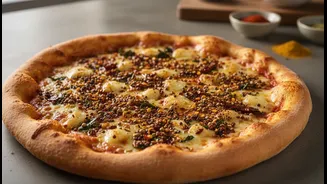


The Podi Revolution on a Pizza Base
For generations, podi has been the secret weapon in South Indian kitchens. The word simply means ‘powder’ in Tamil and Telugu, but it represents an entire ecosystem of flavour. These dry spice blends, made from roasted lentils, chillies, herbs, and spices,
are traditionally mixed with ghee or oil and served with idli, dosa, or rice. Now, this humble, potent condiment is finding a new home atop a thin, crispy pizza crust, creating a culinary crossover that is taking the Indian food scene by storm. This trend moves beyond the now-commonplace paneer tikka and tandoori chicken pizzas, diving deeper into regional Indian flavours for a more authentic fusion experience.
From Gunpowder to Gourmet Topping
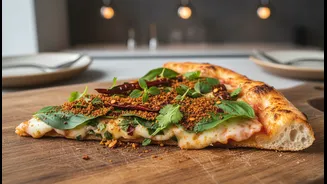
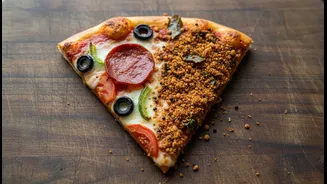
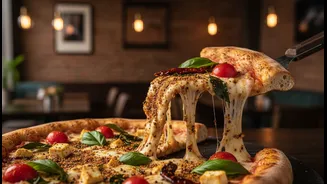
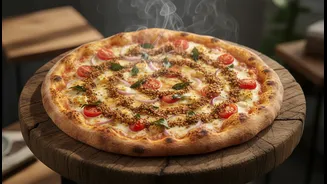
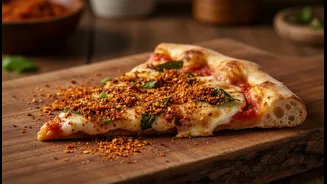
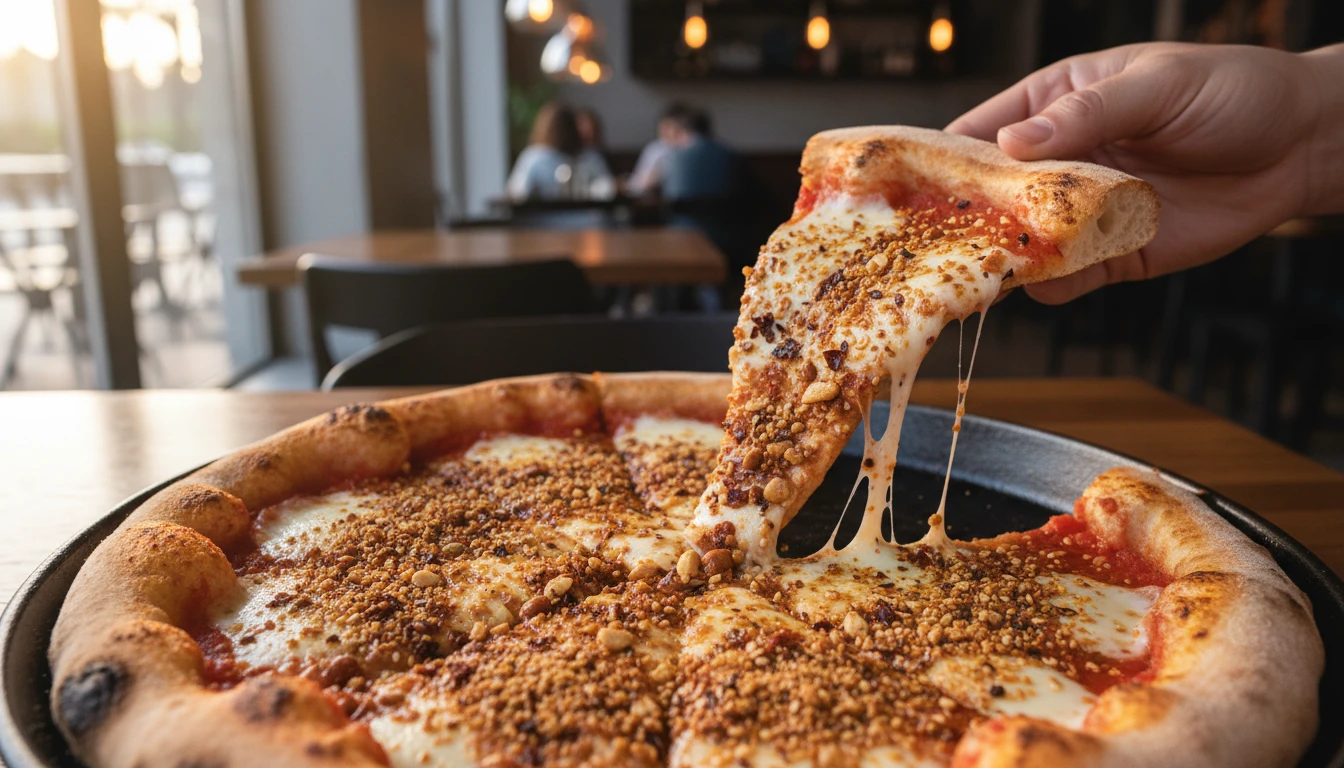
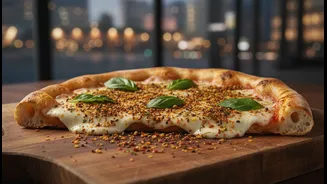
The most famous of these powders, milagai podi or ‘gunpowder’, is a natural starting point for many chefs. Known for its fiery kick and coarse texture, it’s a bold choice. In cities like Mumbai and Bengaluru, cafes are sprinkling it over a classic mozzarella and tomato base, sometimes with a drizzle of ghee for an authentic touch. One recent creation spotted in a Mumbai eatery features a thin-crust base with fior di latte, a generous dusting of milagai podi, and a side of ghee, completely replacing the standard Italian seasonings. The result is a pizza that is at once familiar and startlingly new, hitting notes of spice, umami, and cheesy comfort all in one bite.
Exploring a Spectrum of Spices
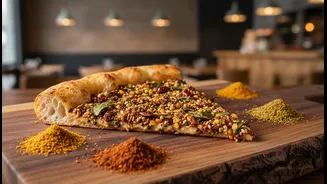
But the experimentation doesn't stop at gunpowder. Chefs are exploring the vast universe of podis, each offering a unique profile. Karuveppilai podi, made from fragrant roasted curry leaves, offers an earthy, herbaceous alternative to the fiery milagai. Imagine this subtle spice powder paired with roasted vegetables, mushrooms, or even chicken on a pizza, creating a more nuanced and aromatic experience. Another variety making an appearance is paruppu podi, a milder blend of roasted lentils and spices. Its nutty and comforting flavour profile allows it to act as a savoury base, pairing beautifully with sharp cheeses and tangy sauces without overwhelming the palate.
The Art of Balancing Flavours
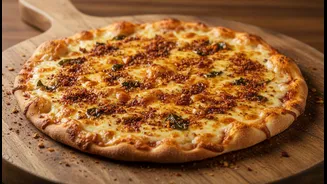
The key to a successful podi pizza lies in the balance. Indian chefs understand that simply adding a spice powder isn't enough; it's about thoughtful integration. The ready-to-eat nature of most 'tabletop' podis makes them ideal for this kind of fusion, as they don't require further cooking to release their flavour. The experimentation often involves swapping out the traditional tomato sauce for a base that complements the podi, or using cheeses that can stand up to the strong flavours. For instance, a creamy base might be used to temper the heat of a spicy podi, while the podi itself might be mixed into olive oil and drizzled over the finished pizza to preserve its distinct aroma. The goal is a harmonious marriage of Italian structure and Indian soul, not a confused clash of cuisines.
A Trend with Taste and Texture
This innovative trend is part of a larger movement in Indian food culture, where chefs are reinterpreting traditional recipes with modern techniques and global influences. The podi pizza is more than a novelty; it’s a celebration of India’s diverse culinary heritage. It caters to a generation of diners who are adventurous and crave flavours that are both global and deeply rooted in their own culture. As cafes continue to push boundaries, we might see even more regional specialties on pizza menus, from the sesame-based ellu podi to the tangy flavour of pudina podi.