





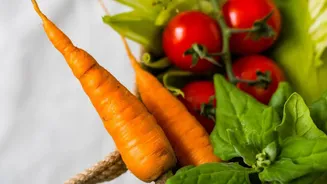

Embrace Seasonal Gourds and Tubers
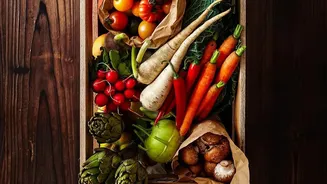
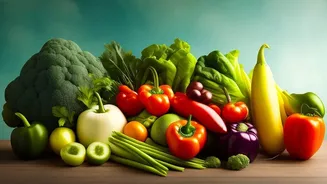
The smartest move during the monsoon is to buy what grows best in the season. Gourds are your best friends during the rains. Vegetables like bottle gourd (lauki), ridge gourd (turai), bitter gourd (karela), pointed gourd (parval), and pumpkin are abundant,
fresh, and relatively inexpensive. These vegetables have a high water content and are easy to digest, which is traditionally considered beneficial during a season known for digestive issues. Root vegetables such as elephant foot yam (suran) and sweet potatoes are also excellent choices. While many advise caution with leafy greens due to contamination from mud and moisture, opting for well-cleaned spinach (palak) or fenugreek (methi) that you cook thoroughly can still be a good way to get essential nutrients.
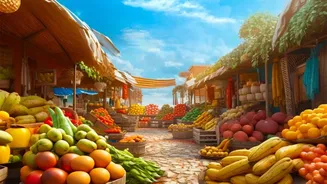
Shop Small and More Often
While buying in bulk might seem efficient, it's a risky strategy during the monsoon. The high humidity in the air accelerates spoilage, causing vegetables to rot, wilt, or grow mould much faster. Instead of a large weekly haul, try shopping for fresh produce every two to three days. This ensures you're always cooking with the freshest possible ingredients and significantly reduces waste from produce going bad before you can use it. This approach is particularly important for delicate items like tomatoes and leafy greens, which are highly susceptible to the damp conditions. Frequent, smaller trips mean you can be more selective and respond to what’s freshest at the market on any given day.
Master the Art of Inspection
Be extra vigilant when selecting your vegetables. Avoid anything that looks soggy, bruised, or has black spots and signs of mould. Pay close attention to leafy greens; check for trapped mud, insects, or slimy leaves, as these are common issues during the rains. It's also wise to steer clear of pre-cut vegetables. While convenient, exposed surfaces are breeding grounds for bacteria, especially in the humid monsoon weather. When buying cauliflower or cabbage, check the layers for worms or decay, which can hide in the dense heads. For root vegetables like potatoes and onions, ensure they are firm and dry, avoiding any that have started sprouting, as this indicates they are old.
Perfect Your Cleaning and Drying Ritual
Proper cleaning is non-negotiable during the monsoon, as the risk of waterborne contaminants is higher. Don't just give your vegetables a quick rinse. For most produce, wash them thoroughly under clean, running water. For leafy greens, it's effective to separate the leaves and soak them in a bowl of water with a bit of salt or vinegar for about 15 minutes before rinsing again. This helps dislodge dirt and microbes. The most critical step after washing is drying. Pat all vegetables completely dry with a clean cloth or paper towel before storing them. Moisture is the enemy of freshness, and storing damp vegetables, even in the fridge, will lead to rapid decay.
Store Smarter, Not Harder
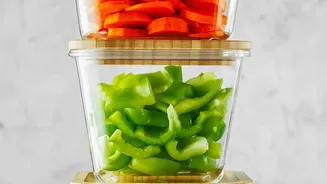
How you store your vegetables can make a huge difference in their shelf life. Once thoroughly dried, most vegetables should be stored in the refrigerator to slow down spoilage. Use breathable bags or wrap leafy greens loosely in paper towels to absorb any excess moisture before placing them in the crisper drawer. Potatoes and onions, however, should not be refrigerated, as the cold temperature can ruin their flavour and texture. Keep them in a cool, dark, and dry place with good ventilation. It's also a good practice to store fruits and vegetables separately, as many fruits release ethylene gas, which can cause nearby vegetables to ripen and spoil faster.