




Understanding the Kaziranga Landscape
Kaziranga is more than just a park; it's a vast floodplain ecosystem shaped by the mighty Brahmaputra River. Its landscape is a mosaic of tall elephant grasslands, wetlands known as 'beels', and pockets of semi-evergreen forests. This unique combination
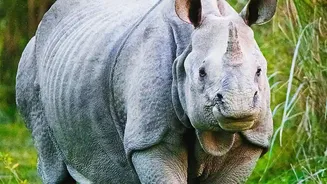
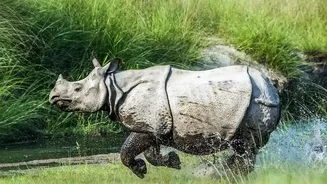
of habitats supports an incredible density of wildlife, making it a UNESCO World Heritage Site and one of India’s most successful conservation stories. While the rhino is the star attraction, the park is also a crucial habitat for elephants, wild water buffalo, swamp deer, and a healthy population of tigers.
The Best Time to Visit
Planning your trip for the right season is crucial. The park is open to visitors from November to April and remains closed during the monsoon season (May to October) due to flooding. The period from November to February is considered the best overall time, offering pleasant, dry weather ideal for safaris and birdwatching, as migratory species are in residence. The later months of March and April get warmer, but can offer excellent sightings as animals congregate around shrinking water bodies and controlled burning of grass improves visibility.
Choosing Your Safari Zone
Kaziranga is divided into four main safari zones, each with a distinct character. For a first-time visitor, choosing the right one is key.- Central Range (Kohora): This is the most popular and accessible zone, offering a balanced experience with high rhino density and beautiful landscapes. It's an excellent choice for most visitors.- Western Range (Bagori): Known for its open grasslands, this zone is arguably the best for rhino sightings and is a favourite among photographers. Elephant safaris are also available here.- Eastern Range (Agoratoli): This zone is a paradise for birdwatchers, with its extensive wetlands attracting a vast number of local and migratory birds.- Burapahar Range: Offering a different experience with its hilly terrain and dense forests, this zone is ideal for those seeking a quieter, more offbeat adventure. It's a good place to spot hoolock gibbons.
Jeep vs. Elephant Safari
You have two main ways to explore the park: by jeep or on elephant-back. Each offers a unique perspective.Jeep Safaris are the most common option, allowing you to cover more ground across the different habitats. They run in both morning and afternoon shifts, typically from around 7:30 AM and 1:30 PM, lasting about 2-3 hours.Elephant Safaris provide a different, more intimate experience, taking you off the main tracks and through the tall grasslands for incredibly close encounters with rhinos. These safaris run only in the early morning, usually between 5:00 AM and 7:00 AM, and are available in the Central and Western zones.
Booking, Accommodation, and Travel
It is highly recommended to book your safaris in advance, especially during the peak season from December to February, as slots fill up quickly. You can book through the official government portal or, more conveniently, through your hotel or a reputable local travel operator who can handle permits and vehicle arrangements. A valid photo ID is mandatory for all visitors.Most visitors stay in the Kohora area, which serves as the main hub and has the widest range of accommodation, from government lodges and homestays to luxury resorts. Kaziranga is located about 194 km from Guwahati, a journey that takes around 4-5 hours by car. The nearest airport is in Jorhat, about 97 km away.
Essential Tips for Your Trip
To make the most of your safari, keep a few things in mind. Morning safaris are generally best for wildlife sightings as animals are most active. Dress in neutral-coloured clothing to blend in with the surroundings. Carry binoculars for better viewing, and a good camera to capture the moments. Remember that wildlife sightings are a matter of luck; be patient and enjoy the beauty of the landscape. Always follow your guide's instructions and maintain silence for a safe and respectful experience.