





Why Monsoon Cleaning Is Different
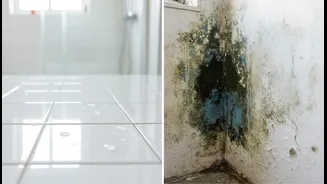
The defining feature of the monsoon season is humidity. Indoor relative humidity can easily exceed 70%, creating the perfect breeding ground for mould, mildew, and bacteria. This moisture makes dust stickier, slows down drying times for everything from
floors to laundry, and can lead to a persistent musty odour. Simple dirt and organic residue that might be harmless in dry weather can quickly become a food source for mould in a humid environment. This is why pre-monsoon deep cleaning is a common practice in many Indian homes; it removes the residue before the humidity arrives to activate it. During the season, the focus shifts to moisture control and consistent cleaning to prevent buildup in the first place.
Your Natural Cleaning Toolkit
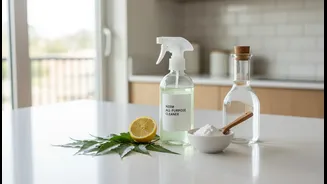
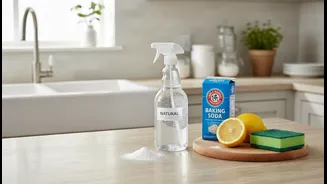
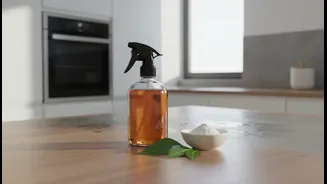
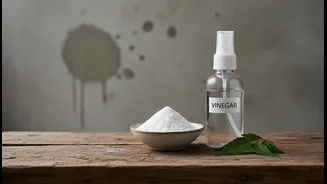
You don't need an arsenal of harsh chemicals for everyday cleaning. Many of the most effective ingredients are likely already in your kitchen. White vinegar's acidity is effective against many types of mould and works well on tiles and glass. Baking soda is a gentle abrasive for scrubbing and a powerful deodorizer. You can sprinkle it on carpets before vacuuming or place it in cupboards to absorb moisture and odours. Lemons can help cut through grease and leave a fresh scent. For a natural pest-repellent, placing bay leaves and cloves in cabinets is a traditional and effective trick. These simple ingredients form the foundation of a low-chemical cleaning routine.
Simple Recipes for Routine Grime
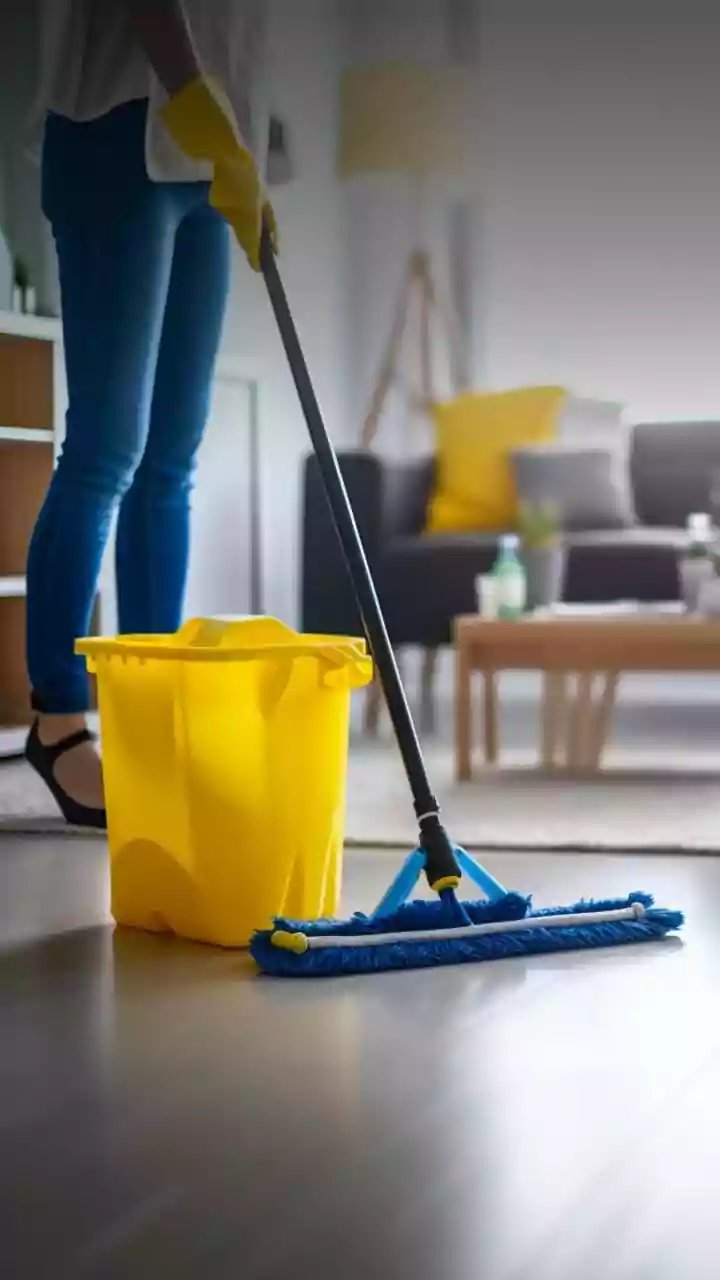
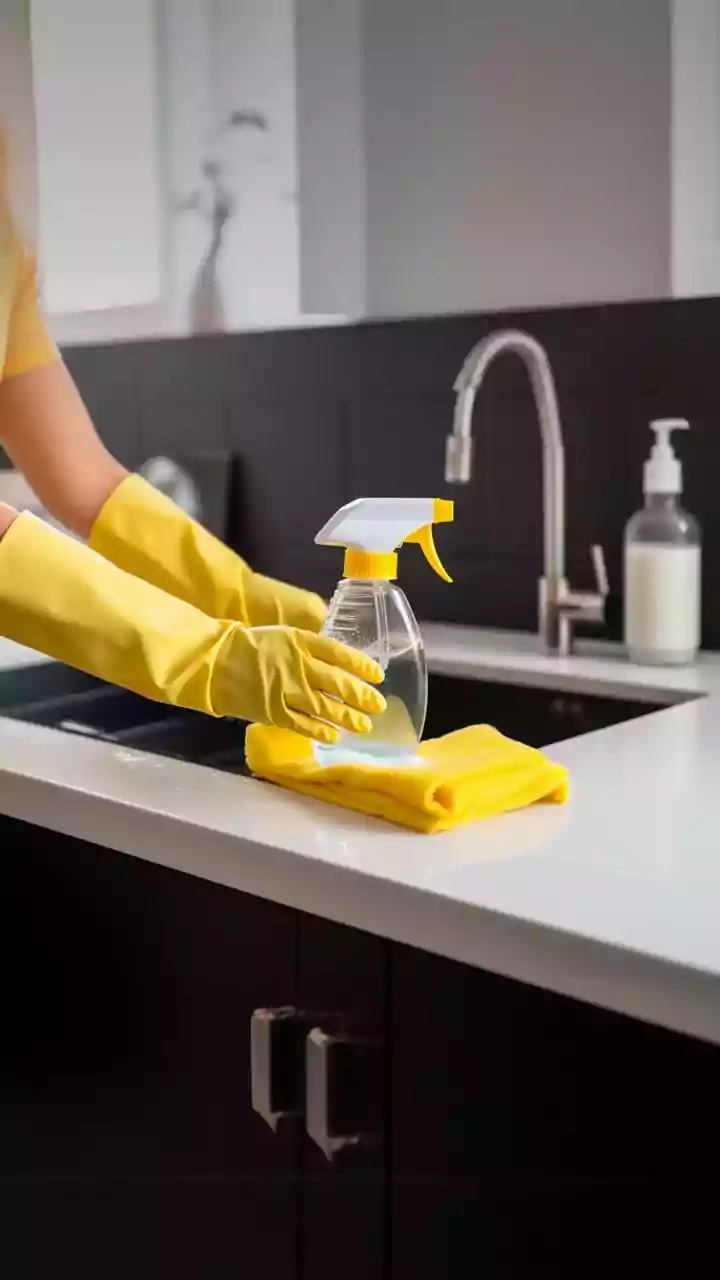
For an all-purpose surface cleaner, mix equal parts white vinegar and water in a spray bottle. This is great for countertops, sinks, and other hard surfaces, but avoid using it on natural stone like marble or granite. For scrubbing tiles or stained grout, a paste made from baking soda and water is effective. Apply the paste, let it sit for a few minutes, then scrub with a brush and rinse. To keep floors clean without sticky residue, add half a cup of vinegar to a bucket of hot water. This solution cleans effectively and helps prevent the streaking that can happen with soap-based cleaners.
The Important Line Between Cleaning and Disinfecting
It's crucial to understand that cleaning and disinfecting are not the same thing. Cleaning physically removes dirt, grime, and some germs from surfaces, often using soap and water. Natural ingredients like vinegar and baking soda are excellent for this first step. Disinfecting, on the other hand, uses chemicals to kill the vast majority of germs, including bacteria and viruses, that remain after cleaning. Sanitizing lowers the number of germs to a safe level, but disinfecting is the more thorough process needed to tackle health risks. Simply cleaning a surface doesn't mean it's disinfected. For a disinfectant to work properly, the surface should be cleaned first to remove any dirt that could shield the germs.
When Proper Disinfection Is a Must
While daily cleaning with simpler ingredients is sufficient for most situations, there are specific times when disinfection becomes non-negotiable. The most critical time is when someone in the household is sick or has just recovered from an illness. Disinfecting high-touch surfaces like doorknobs, light switches, remote controls, faucets, and toilet handles helps prevent the spread of germs to other family members. Bathrooms and kitchens, especially areas that come into contact with raw meat, also require regular disinfection to prevent cross-contamination. If you discover significant mould growth, especially black mould, simply cleaning it may not be enough; a disinfecting solution is often needed to kill the spores and prevent regrowth.
Smart Cleaning for Renters
Renters face the unique challenge of needing to manage monsoon issues without making permanent changes or causing damage. Good ventilation is your best friend; use exhaust fans in kitchens and bathrooms religiously to pull moisture out of the air. If your apartment feels persistently damp, a dehumidifier can make a significant difference in controlling indoor humidity levels. Be vigilant about leaks from pipes or ceilings and report them to your landlord immediately. For surface mould on walls or tiles, cleaning with a vinegar solution is a safe first step. Avoid moisture-absorbing furnishings where possible and ensure there is good airflow around and behind furniture to prevent hidden mould growth.