





The Great Logo-Over
Remember the early 2000s? Luxury was loud. It was a monogrammed Louis Vuitton bag, a chunky Gucci belt buckle, or a Versace print that screamed its own name. Conspicuous consumption was the point. The goal wasn't just to own expensive things, but to ensure
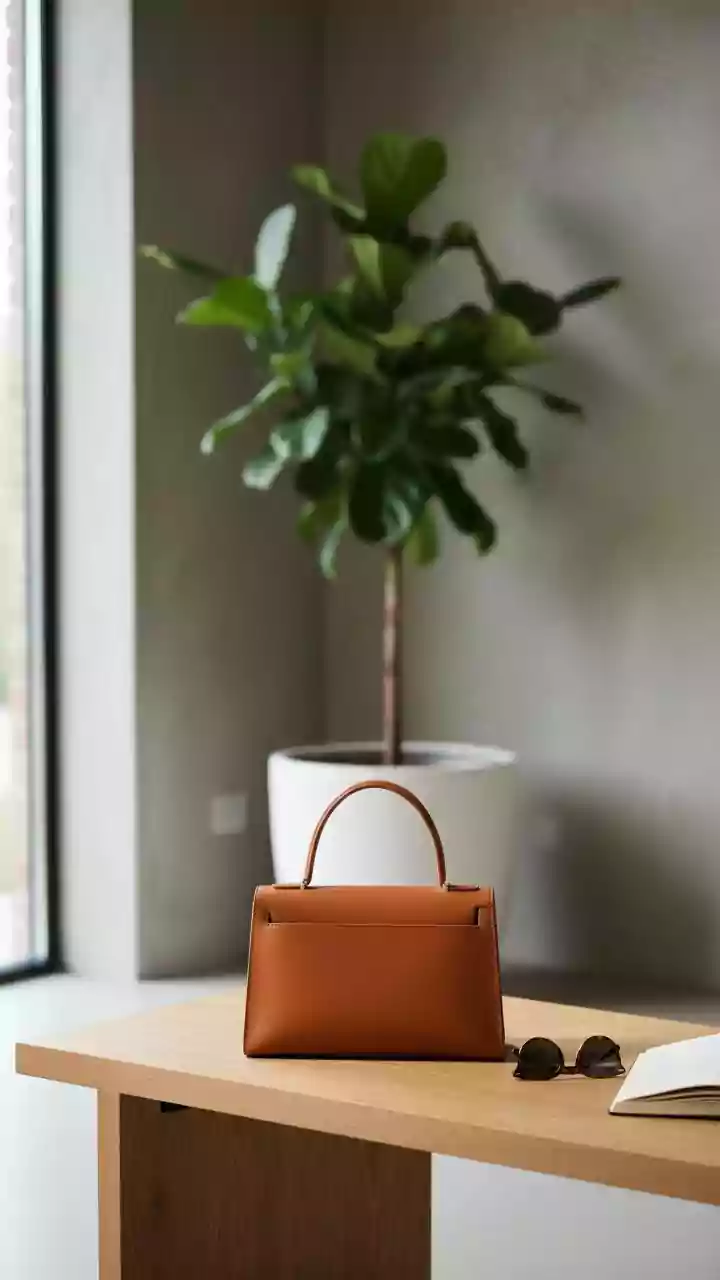
everyone knew you owned them. Wealth was a performance, and logos were the costume. Today, that aesthetic feels almost dated, even desperate. The pendulum has swung dramatically in the other direction. In sophisticated circles, flaunting wealth so overtly is now seen as passé. The new elite prize subtlety, a concept often dubbed “quiet luxury” or “stealth wealth.” It’s a code spoken through perfect tailoring, exquisite materials, and an absence of branding—a look that costs a fortune but whispers its value only to those in the know.
The Luxury of Empty Space
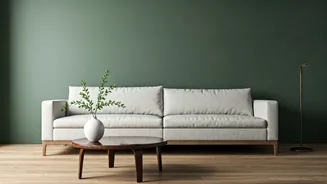
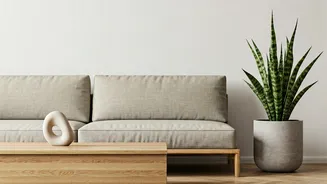
The core of this shift lies in a simple question: In an age of digital overload and material excess, what is truly scarce? The answer isn't another designer handbag. It’s time, quiet, and space. Minimalism, as an aesthetic and a philosophy, has become the ultimate expression of these new luxuries. Think about the most coveted modern interiors. They aren’t cluttered French provincial manors; they are vast, light-filled spaces with little more than a sculptural sofa and a single piece of art. Consider the ultimate vacation. It’s no longer a packed tour of European capitals, but a week at a secluded Amangiri resort, where the architecture disappears into the desert landscape. In a world where most people are drowning in possessions and notifications, having the physical and mental space to breathe is a privilege. Minimalism is the visual language of that privilege.
The Uniform of the 'Know'
From Silicon Valley to Hollywood, the minimalist uniform is everywhere. Tech billionaires like Mark Zuckerberg have long championed a simple, unadorned wardrobe as a way to reduce decision fatigue. In the world of high fashion, brands like The Row, founded by Mary-Kate and Ashley Olsen, sell perfectly crafted, logo-free cashmere sweaters and trousers for thousands of dollars. The aesthetic is so powerful it has its own pop culture shorthand, seen in the deliberately understated, brutally expensive wardrobes of the Roy family in HBO’s *Succession*. This isn't about being cheap; it's about being post-brand. The message is, “My identity is not tied to a label. My wealth is so secure that I have nothing to prove.” It’s a form of gatekeeping. A logo-covered bag is easily identifiable and imitable. A perfectly simple, exquisitely made, unbranded garment is much harder to place unless you, too, are part of that world.
The High Cost of Nothing
Here lies the central paradox: achieving true, high-end minimalism is extraordinarily expensive. It’s one thing to declutter your apartment by getting rid of old paperbacks. It’s another to commission an architect like John Pawson to design a home that is essentially a series of serene, empty boxes. The latter requires immense resources. This type of minimalism isn’t about deprivation; it’s about curation. It’s about having the means to strip away everything that is non-essential, leaving only items of the highest quality, design, and intention. The effortlessness is an illusion. A sparse room with a single, perfect chair looks simple, but the cost of the architect, the custom lighting, the hand-finished plaster walls, and the iconic chair itself can easily run into the hundreds of thousands. This is why minimalism has become the ultimate status flex: it costs more to look like you have less.