



Understanding Plant Iron
Iron in our diet comes in two forms: heme and non-heme. Heme iron, found in meat, poultry, and fish, is easily absorbed by the body. Non-heme iron is the type found in plant-based foods like grains, beans, vegetables, and nuts. While abundant, non-heme iron is less
bioavailable, meaning your body has a harder time absorbing it. This is because plants contain compounds like phytates and polyphenols that can bind to iron and hinder its absorption. But don't worry, this doesn't mean you can't meet your iron needs on a plant-forward diet; you just need a few clever strategies.
Embrace the Power of Vitamin C
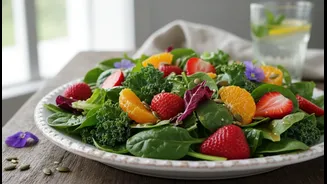
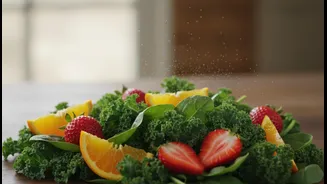
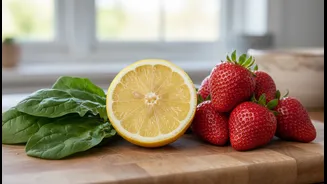
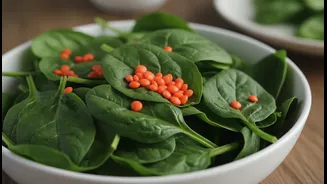
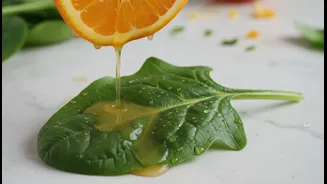
One of the most effective ways to boost non-heme iron absorption is to pair it with vitamin C. This essential vitamin captures non-heme iron and converts it into a form that your body can absorb much more readily, potentially increasing uptake by two to three times. The good news is that many plant-based meals naturally lend themselves to this pairing. Think of adding a squeeze of lemon juice over a spinach or dal, having a side of bell peppers with your chickpea curry, or adding strawberries to your morning oatmeal. Other great sources of vitamin C include citrus fruits, broccoli, tomatoes, and kiwi.
Time Your Tea and Coffee
Your morning coffee or afternoon tea might be interfering with your iron intake more than you think. Tea and coffee contain compounds called tannins and polyphenols, which are potent iron inhibitors. Consuming these beverages with a meal can reduce non-heme iron absorption by up to 90%. This applies to both caffeinated and decaffeinated versions. Nutritionists don't suggest giving them up entirely. Instead, they recommend a simple timing trick: enjoy your tea or coffee at least an hour before or two hours after your iron-rich meals. This small change ensures these inhibitors don't get in the way of your body's ability to absorb iron from your food.
Soak, Sprout, and Ferment
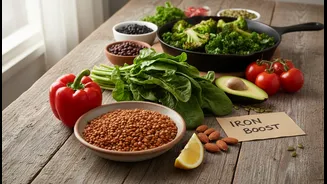
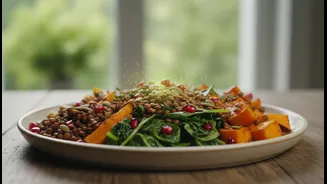
Traditional food preparation techniques can be your best friend when it comes to unlocking iron. Legumes, whole grains, and seeds contain phytates, anti-nutrients that bind to iron and reduce its availability. However, simple methods like soaking, sprouting, or fermenting can significantly reduce the phytate content. Soaking beans and lentils overnight before cooking is an easy first step. Sprouting grains and seeds or choosing fermented foods like sourdough bread and tempeh can also enhance mineral absorption and improve your overall nutrient intake.
Be Mindful of Calcium
Calcium is another mineral that can interfere with the absorption of both heme and non-heme iron. This means that having dairy products like milk, cheese, or yogurt alongside your iron-rich meal can reduce how much iron your body gets. Even calcium-fortified plant milks or supplements can have this effect. Like with tea and coffee, timing is key. Try to separate your calcium-rich foods and supplements from your main iron-rich meals. For instance, if you have a lentil-based lunch, save your yogurt for a mid-afternoon snack rather than having it with your meal.
Cook in a Cast-Iron Skillet
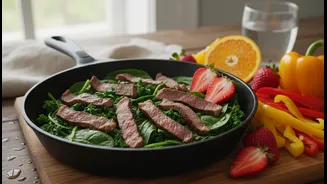
An old-fashioned cooking tool could give your meals an iron boost. Cooking in a cast-iron skillet can transfer small amounts of iron from the pan to your food, increasing its overall iron content. The amount transferred can vary, but acidic foods like tomato sauce seem to absorb the most iron. One study noted that cooking with a cast-iron pan could increase the iron in food by up to 16%. While it shouldn't be your only strategy, using cast-iron cookware a few times a week is a simple, passive way to add a little extra iron to your diet, especially when cooking dishes like vegetable curries or scrambles.