







The New Digital Menu
In urban India, the question of 'what's for dinner?' is increasingly answered with a few taps on a smartphone. The explosion of food delivery apps and e-grocery platforms has transformed how millions of Indians interact with food. This shift is driven
by convenience, especially for time-crunched urban professionals and dual-income households. What started as a niche service has become a parallel economy, with platforms like Swiggy, Zomato, Blinkit, and Zepto becoming integral to city life. This digital transformation is not just about restaurant meals; a significant number of households now purchase their daily and monthly groceries online, a trend accelerated since the pandemic. The market for online groceries in India is booming, reflecting a fundamental change in consumer behaviour.
A Question of Dietary Diversity
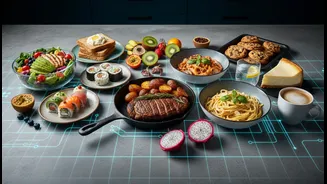
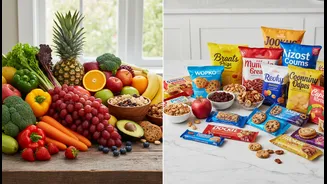
The internet promises endless choice, but does this translate to better, more diverse diets? The answer is complex. On one hand, these platforms offer access to a variety of cuisines that might have been unavailable locally. However, studies suggest that convenience often leads to an increase in the consumption of fast food, processed items, and sugary drinks. Research indicates that frequent use of online food delivery is linked with poorer dietary quality. Younger users, particularly those between 18 and 25, are more influenced by these platforms, often prioritizing price and convenience over health. While some users actively search for healthier choices, many find them difficult to locate on the apps. This trend is part of a broader nutritional transition in India, which has seen a move away from traditional, coarse-grain-based diets toward diets higher in fats and sugars, contributing to a rise in lifestyle diseases like obesity and diabetes.
Counting the Costs
This newfound convenience comes with a tangible impact on household budgets. Ordering in frequently can lead to higher expenses and impulsive spending. One report suggested that ordering through aggregator platforms could add a significant annual financial burden to households in major cities due to various premiums and fees that are not immediately obvious. While users are drawn by discounts, the overall cost, including delivery charges and service fees, often makes it a more expensive option than home cooking. Even with the rise of online food ordering, many people find themselves spending more than they would on traditional groceries, sometimes despite having a cook and a stocked kitchen. This shift in spending from groceries to online food orders reflects changing consumption patterns where convenience often outweighs cost considerations.
The Other Side of the Screen
The digital food revolution is not a universal experience. It shines a harsh light on India's deep-seated digital inequality. The benefits of this online ecosystem are primarily reaped by those in urban areas with stable internet, digital literacy, and disposable income. A significant gap persists between urban and rural India in terms of internet use. A 2022 report from Oxfam highlighted that only 31 percent of the rural population used the internet compared to 67 percent of their urban counterparts. This divide means that large swathes of the population, particularly in rural areas, are excluded from this digital marketplace. It's not just about access to the internet, but also about the ability and confidence to use digital services effectively. This creates a two-tiered system where one part of the population enjoys unprecedented convenience, while the other is left further behind, unable to access the same opportunities and services.