

Odisha's Golden Triangle
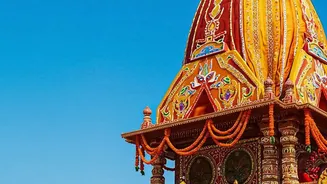
Any cultural exploration of Odisha inevitably leads to its famed 'Golden Triangle'—the cities of Bhubaneswar, Puri, and Konark. This well-trodden circuit forms the core of the state's historical and spiritual identity. Bhubaneswar, the 'Temple City',
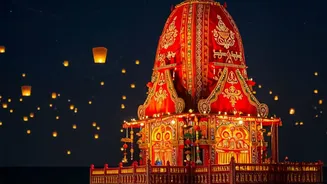
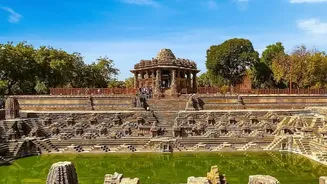
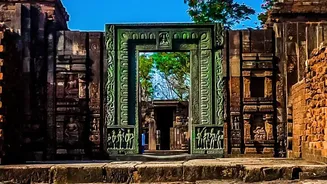
boasts a timeline of temple architecture stretching from the 7th to the 11th centuries. Puri is one of India's most sacred pilgrimage sites, home to the Jagannath Temple and a bustling shoreline on the Bay of Bengal. But it is Konark, the third point of the triangle, that holds a unique allure, a place where architectural ambition and artistic expression were fused to create a wonder in stone.
Konark: A Chariot for the Sun God
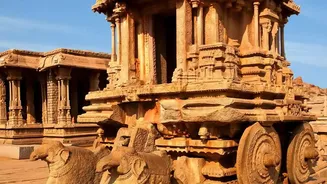
The Konark Sun Temple, a UNESCO World Heritage site since 1984, is less a building and more a monumental sculpture. Built in the 13th century by King Narasimhadeva I of the Eastern Ganga dynasty, the temple was conceived as a colossal chariot for Surya, the Sun God. The entire structure is designed to resemble a ratha (chariot) being pulled across the heavens. Seven mighty stone horses, representing the days of the week, strain at its front. The base of this grand chariot is adorned with 24 immense wheels, each nearly 3 metres in diameter, symbolising the hours of the day or months of the year. These wheels are not merely decorative; they function as intricate sundials, capable of telling time with remarkable accuracy by tracking the shadows cast by their spokes.
The Language of Stone Carvings
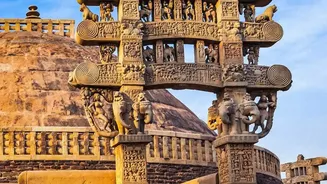
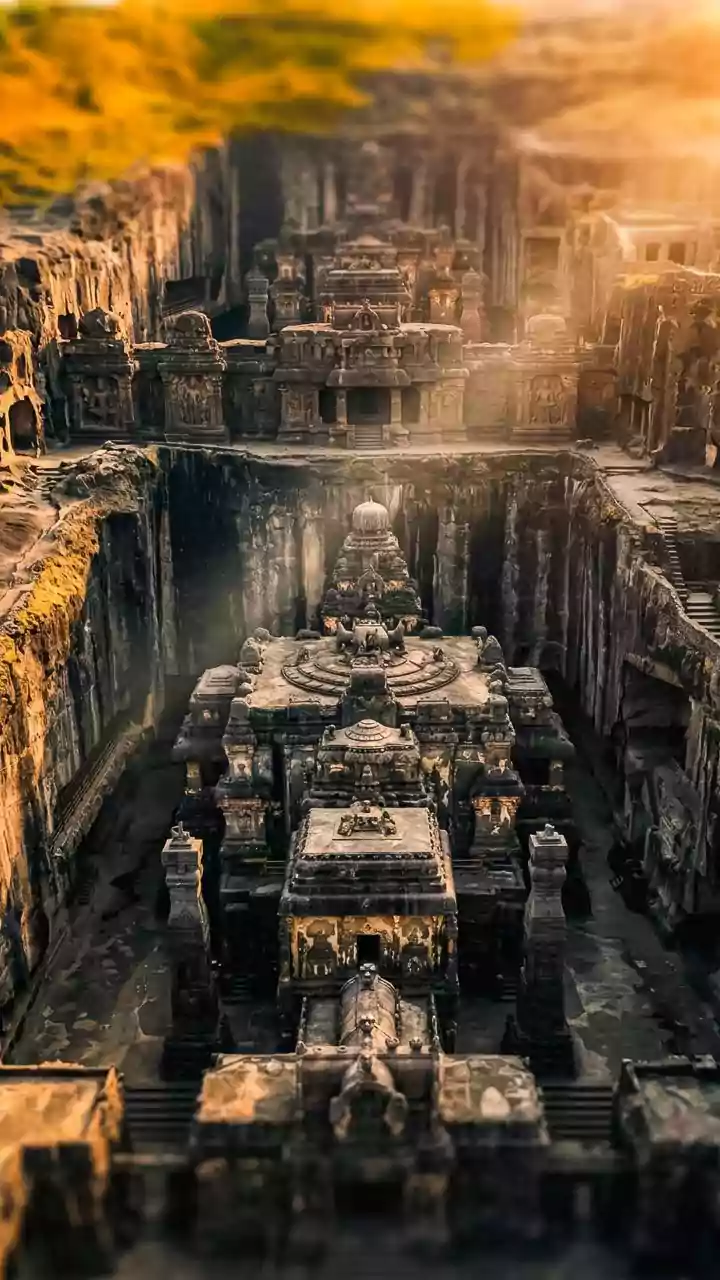
The true marvel of Konark lies in the stories etched onto every available surface. The stone carvings are a dizzying chronicle of 13th-century life and belief. The walls teem with a diverse cast of characters and scenes. You will find musicians with their instruments, dancers frozen in elegant poses, royal processions, and intense battle scenes. There are also depictions of daily life, from a woman cooking to a teacher with his students, offering a vivid window into the social fabric of the era. Intricate floral patterns and geometric motifs twine around depictions of gods, goddesses, and mythical creatures, ensuring no inch of stone was left without a story to tell.
Understanding the Erotic Sculptures
No discussion of Konark is complete without addressing its most famous and debated feature: the erotic sculptures. These explicit carvings, known as maithunas, depict couples and groups in various intimate acts. Far from being scandalous, these sculptures are interpreted in several ways. One theory connects them to Tantric beliefs prevalent at the time, which saw sensual experience as a path to spiritual enlightenment. Another perspective suggests they served as a form of social education on the Kama Sutra, celebrating human life in all its aspects. A third theory posits that the worldly pleasures were carved on the temple's exterior to test devotees, who were expected to leave such desires behind before entering the sacred inner sanctum. Whatever their original purpose, they showcase a society that did not see a conflict between the sacred and the sensual.
The Living Craft Traditions
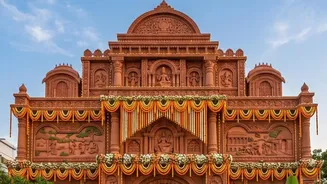
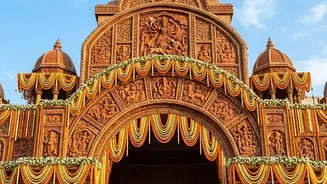
A tour of this region extends beyond ancient stones to the living traditions they inspired. The artistic lineage of the Konark carvers continues in nearby artisan villages. Just a short drive away is Raghurajpur, a designated heritage village where almost every home is an artist's studio. Here, the ancient art of Pattachitra—intricate painting on cloth scrolls—is practiced by generations of families. The vibrant paintings often depict mythological tales, particularly those of Lord Jagannath. Similarly, the village of Pipili is famous for its appliqué work, known locally as 'Chandua'. This craft involves stitching colourful fabric cut-outs onto a base cloth to create everything from giant ceremonial umbrellas for the Rath Yatra to decorative wall hangings and bags, a tradition stretching back to the 12th century.