




From Local Legends to Global Contenders
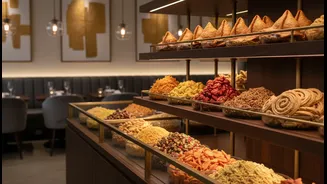
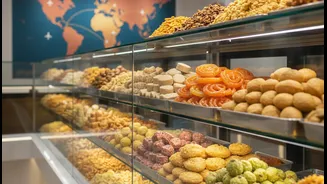
For decades, names like Haldiram's and Bikanervala have been synonymous with authentic Indian sweets and snacks. What started as family-run businesses, some over a century ago, have grown into formidable domestic empires. Now, these chains are embarking
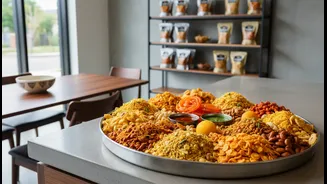
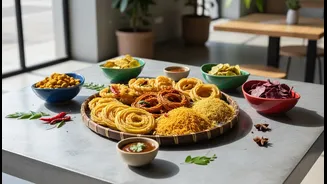
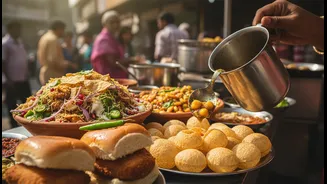
on their next major chapter: significant international expansion. Haldiram's, which began exporting to the US as early as 1993, is now accelerating its global push with fresh investments aimed at markets in the US and the Middle East. Similarly, Bikanervala, with over 150 outlets, is strengthening its presence in the UK, US, Canada, and UAE, building on its existing international stores. This trend isn't limited to the giants. Newer players in the quick-service restaurant (QSR) space, like Puchkaman, are taking hyper-local street food like puchka (pani puri) and establishing outlets in cities like Toronto, proving that even the most regional flavours have global potential.
A Recipe for International Growth
Several factors are fueling this global ambition. The most obvious driver is the large and affluent Indian diaspora, which provides a ready-made market hungry for authentic tastes from home. However, the strategy now extends far beyond catering to expatriates. There is a growing global curiosity and appreciation for diverse cuisines, and Indian food is seen as a major growth area. International diners are increasingly adventurous, seeking bold and authentic flavours beyond the standard curry house menu. This shift has created a ripe opportunity for brands to introduce the vast diversity of Indian snacks, chaat, and regional vegetarian dishes to a new audience. Furthermore, as the Indian market becomes more competitive, expanding overseas offers a new frontier for growth and revenue.
Serving Up a Scalable Strategy
Companies are employing a variety of strategies to conquer new markets. Haldiram's has successfully used a combination of exporting packaged goods and opening quick-service format restaurants, like its recent launch in Dubai. This dual approach allows them to build brand recognition through retail while offering a full culinary experience in their restaurants. Bikanervala recently launched a major UK expansion with a significant investment to open 25 stores, starting with a flagship outlet in London that offers dining, sweets, and even catering services. For newer QSR brands, a franchise-led model is a popular route. Puchkaman, for example, uses a standardized, low-entry model that allows for rapid scaling while ensuring hygiene and consistency—two traditional challenges for street food. This focus on creating scalable, repeatable business models is crucial for competing in the structured global QSR industry.
Adapting the Taste, Not the Soul
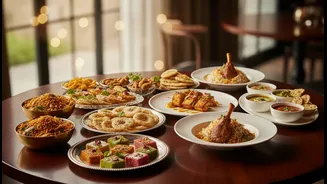
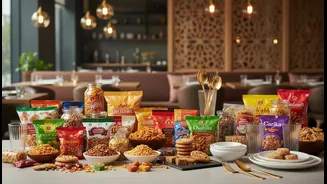
One of the most critical challenges is localisation: how to adapt to international palates without losing the food's authentic character. The answer lies in a delicate balance. While the core recipes remain traditional, brands might subtly adjust spice levels or offer fusion items to appeal to a broader customer base. The presentation is also key. By investing in modern packaging, hygienic preparation standards, and inviting restaurant interiors, these brands are positioning traditional Indian snacks as premium, reliable products ready for a global audience. They are not just selling food; they are selling an experience that is both authentic and accessible. Participating in international food festivals and using digital marketing to share cultural stories also helps educate new consumers and build a community around the brand.
India's Growing Soft Power
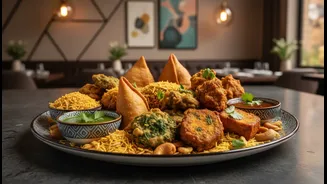
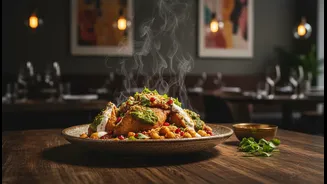
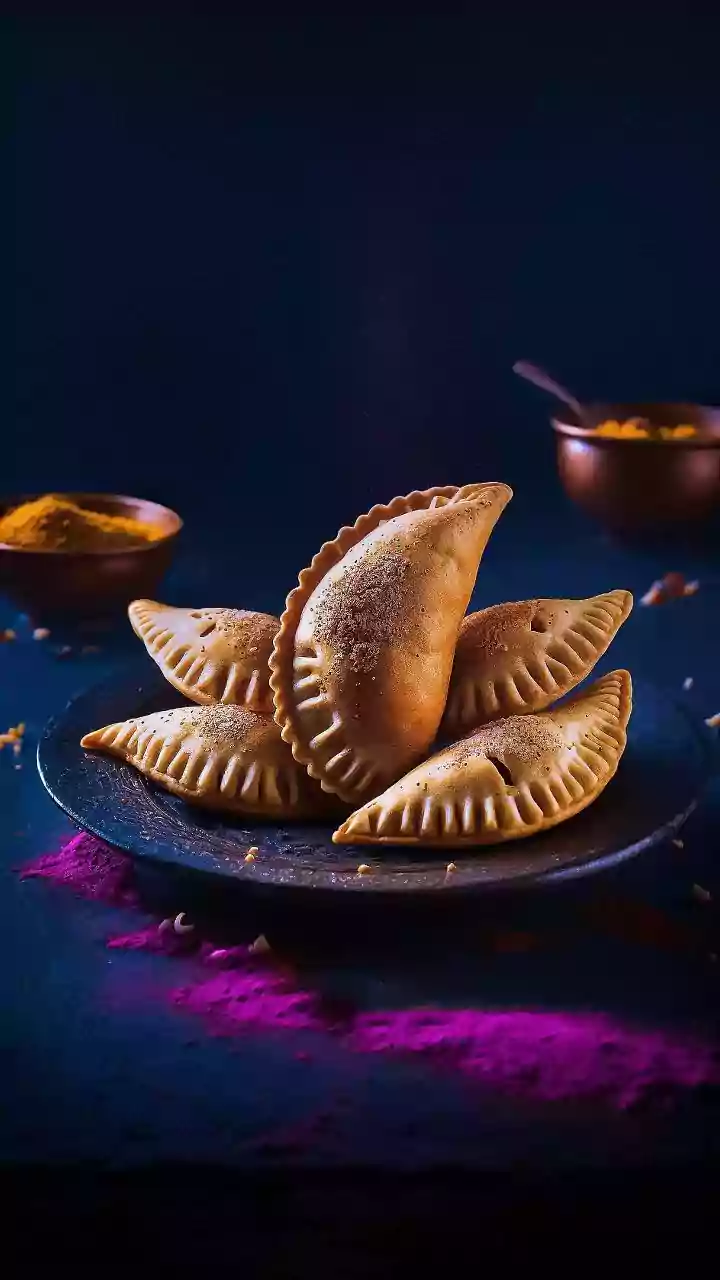
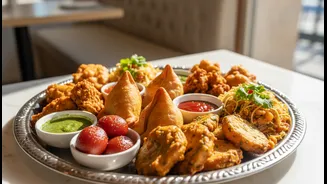
This expansion is more than a business trend; it's a form of cultural diplomacy. As these chains gain a foothold in global cities, they are challenging and expanding the world's understanding of Indian cuisine. They are demonstrating that Indian food is incredibly diverse, with a rich tradition of vegetarian, vegan, and snack-based dishes that go far beyond what's commonly seen internationally. By turning beloved street foods and regional specialties into global brands, these companies are becoming ambassadors for India's rich culinary heritage. Their success reflects a new confidence, transforming local tastes into a global phenomenon and signaling that the next worldwide food obsession could very well be a plate of chole bhature or a perfectly crafted samosa.