



The Heart of the Matter: Fresh Coconut
Along India's western coastline, from Maharashtra through Goa and Karnataka, the coconut palm is more than just a tree; it's a lifeline. In Konkani cuisine, fresh, mature coconut is non-negotiable. Unlike dried, desiccated, or canned varieties, freshly
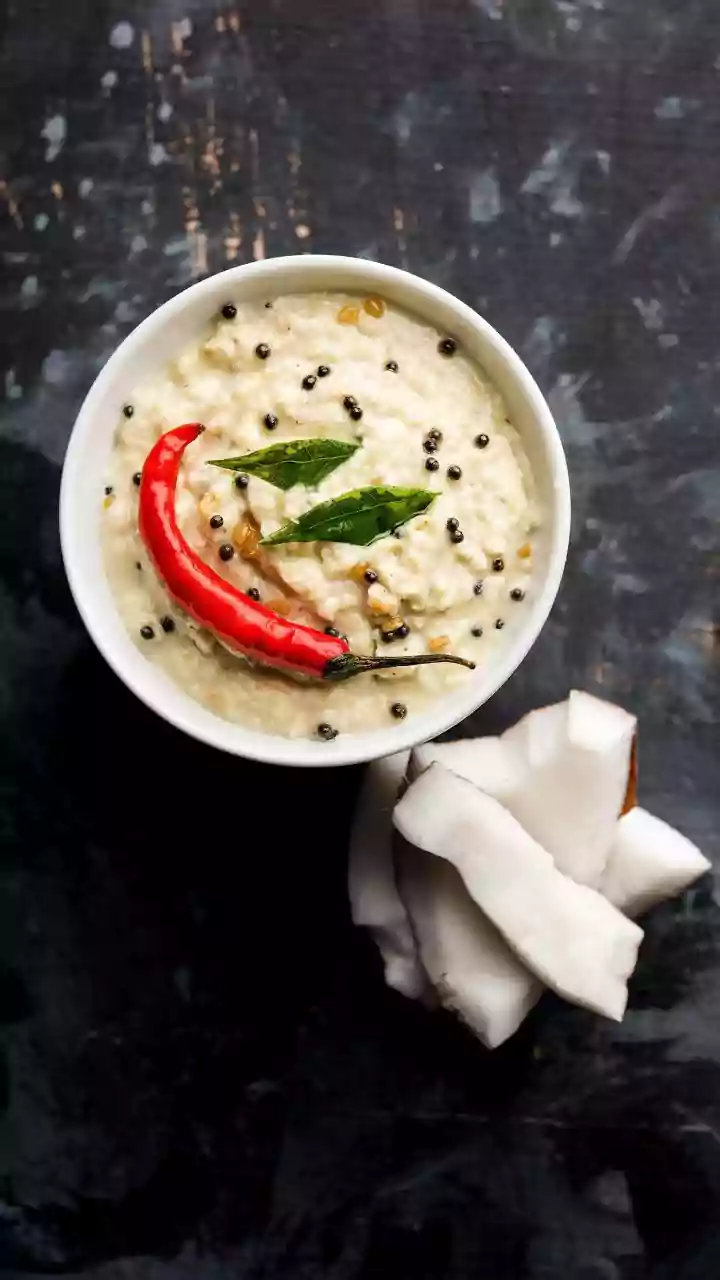
grated coconut retains a higher moisture and natural oil content. This fat is the key to creating a stable emulsion, the very foundation of a creamy curry that resists separating under heat. The flesh of mature coconuts provides a subtle sweetness and a nutty depth that balances the region's signature souring agents like kokum and tamarind.
The Art of the Double Press
The secret to a layered texture begins with how coconut milk is extracted. Konkani cooks employ a two-step process. First, freshly grated coconut is blended with a minimal amount of warm water and squeezed through a cloth to produce the 'first press'. This is thick, rich, and high in fat—essentially coconut cream. It’s too precious and delicate to be boiled for long. Instead, it is added towards the end of the cooking process to finish the dish, imparting a luxurious, glossy sheen and velvety mouthfeel. The remaining coconut pulp is then soaked again with more water and squeezed to yield the 'second press,' a thinner, more watery milk. This thin milk is used as the primary cooking liquid, simmering with spices and vegetables or fish from the beginning, building a robust flavour base without the risk of curdling that comes with boiling the high-fat first press.
Beyond Milk: The Power of the 'Vatan'
While coconut milk provides a liquid creaminess, another element builds the body and depth of the gravy: the 'vatan' or 'watap'. This is a foundational paste that often distinguishes Konkani curries. It’s typically made by slow-roasting grated coconut (sometimes dry, sometimes fresh) with ingredients like onions, garlic, ginger, and whole spices until they are deeply browned and aromatic. This mixture is then ground into a thick, coarse or fine paste. The roasting process caramelises the sugars in the onion and coconut, adding immense flavour complexity. When added to a curry, the vatan acts as a powerful thickening agent, providing a dense, hearty texture that milk alone cannot achieve.
A Symphony of Formulations in a Single Dish
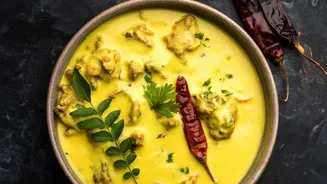
The true genius of Konkani cooking is the combination of these coconut forms in a single recipe. A classic fish or chicken curry might start with a vatan to create a thick, flavourful base. The ingredients then simmer in the thin, second-press coconut milk, allowing them to cook through gently. Finally, just before serving, a ladle of the thick, first-press coconut cream is stirred in to enrich the gravy, adding a final layer of creamy, sweet flavour without overcooking it. Dishes like Sol Kadhi, the classic pink digestive drink, rely entirely on fresh coconut milk's richness to balance the sharp tang of kokum. Meanwhile, vegetable dishes like Valval use coconut milk as the primary medium, thickened with a touch of rice flour to achieve a comforting, stew-like consistency. This multi-pronged approach ensures a texture that is complex, satisfying, and anything but one-dimensional.