





Harnessing the Monsoon's Magic
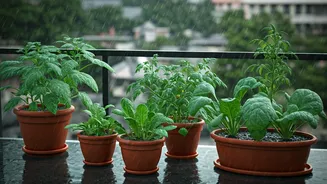
For many balcony gardeners, the fierce summer sun is the biggest challenge. The monsoon flips the script. The consistent cloud cover provides gentle, diffused light, preventing delicate leaves from scorching. The air is thick with humidity, creating a natural
greenhouse effect that many tropical plants adore. And, of course, there’s the free, regular watering with pure rainwater, which is slightly acidic and free from the salts and minerals found in tap water, helping to unlock essential nutrients in the soil. This combination of factors reduces your daily watering chores and creates an ideal environment for rapid growth, flowering, and fruiting, turning your small space into a productive oasis.
Choosing Your Monsoon Champions
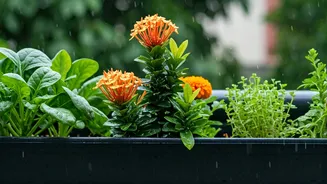
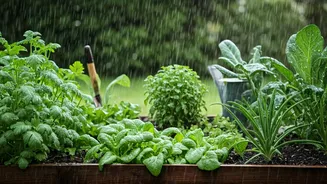
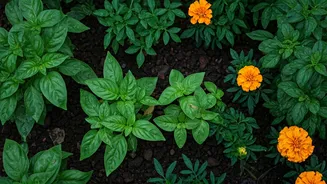
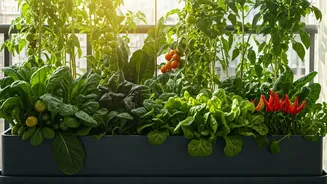
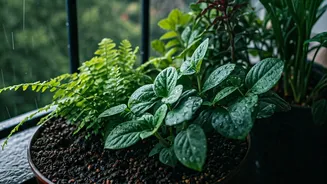
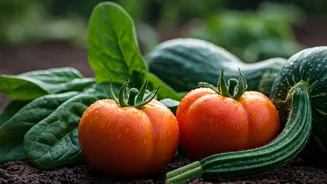
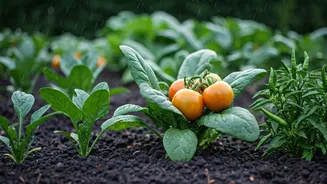
Not all plants enjoy a daily drenching. The key to a productive monsoon garden is selecting species that thrive in high-moisture conditions. For vegetables, this is the perfect time for leafy greens like spinach (palak), amaranth (chaulai), and fenugreek (methi). Fruiting vegetables like chillies, brinjal, and okra also perform exceptionally well. If you love herbs, consider planting mint, basil, and lemongrass, which flourish in the humid air. For a splash of colour, monsoon is the prime season for flowering plants like balsam, hibiscus, marigold, jasmine, and cosmos. These species are well-adapted to the Indian climate and will reward you with vibrant blooms throughout the rainy season.
The Drainage Imperative
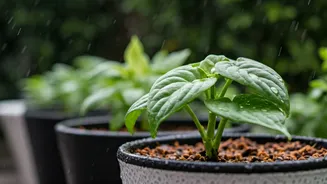
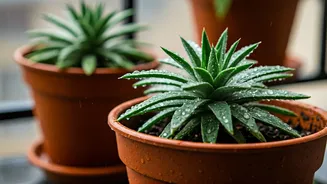
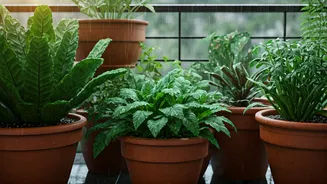
While rain is a blessing, too much of a good thing can be deadly for potted plants. The number one enemy during the monsoon is waterlogging, which starves roots of oxygen and leads to root rot. Your first line of defence is your pots. Ensure every container has at least one, preferably multiple, drainage holes at the bottom. Before adding soil, you can place a layer of broken terracotta pieces (thikri) or small pebbles at the base to prevent the holes from getting clogged with soil. Elevating your pots on small stands or 'pot feet' also helps, allowing excess water to drain away freely and air to circulate underneath. If heavy, continuous rain is forecast, consider temporarily moving more sensitive plants to a covered section of your balcony.
Rethinking Your Potting Mix
A standard potting mix might retain too much water during the monsoon. To counter this, you need to create a lighter, more porous medium. A good monsoon mix for most plants is an equal-parts blend of garden soil, cocopeat, and a bulking agent like perlite or coarse sand. The cocopeat holds onto just enough moisture, while the sand or perlite creates air pockets and improves drainage, preventing the soil from becoming a dense, muddy mess. This is also a good time to avoid heavy, water-retentive composts. Instead, opt for well-rotted manure or vermicompost in smaller quantities, as the constant rain can quickly leach nutrients from the soil. A light liquid feed every 15-20 days can replenish these lost nutrients without overwhelming the plant.
Vigilance Against Pests and Fungi
High humidity and dampness are a perfect breeding ground for fungal diseases and pests. Keep a close eye on your plants for signs of trouble like powdery mildew (a white dusty coating on leaves), black spots, or root rot. The best defence is good air circulation, so avoid overcrowding your pots. Prune away any yellowing or diseased leaves immediately to prevent the problem from spreading. For pests like mealybugs and aphids, which can multiply rapidly in this weather, a simple spray of neem oil solution (a few drops of neem oil and liquid soap mixed in a litre of water) applied every 10 days can act as an effective and organic deterrent.