


The Power of a Simple Daily Salad
The idea of eating a salad every day for better health is not new, but its specific benefits for digestion are profound. A well-crafted salad provides essential fibre, hydration, and nutrients that work together to keep your digestive system running smoothly.
Fibre adds bulk to stool, which helps prevent constipation, while the high water content in many vegetables aids in breaking down food and absorbing nutrients. By making a fresh salad a daily ritual, you are not just eating a meal; you are actively nourishing the foundation of your overall wellness—your gut.
Cool Cucumber: The Hydration Hero
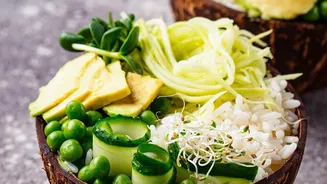
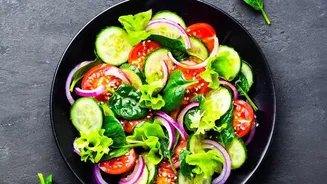
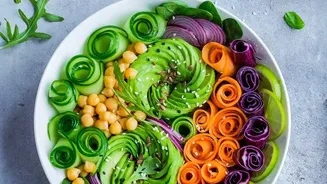
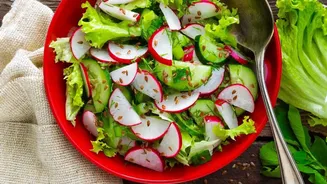
Cucumbers are a foundational ingredient for a digestive-friendly salad. Composed of about 96% water, they are incredibly hydrating, which is essential for softening stool and promoting regular bowel movements. Beyond hydration, cucumbers provide a good amount of insoluble fibre, particularly in their skin, which helps to sweep the digestive tract and keep things moving. They are also gentle on the stomach and low in fermentable carbohydrates, making them a safe and soothing choice for most people, even those with sensitive digestive systems.
Beetroot: The Gut's Crimson Champion
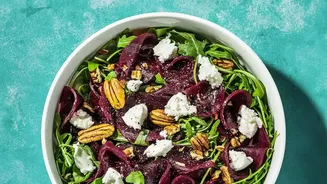
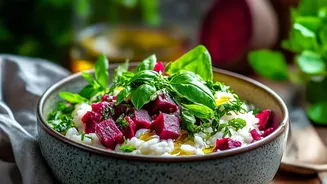
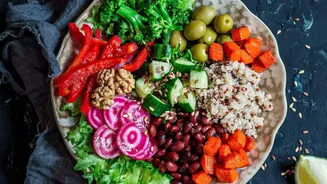
Vibrant and earthy, beetroot is a powerhouse of digestive benefits. It is rich in dietary fibre, containing both soluble and insoluble types. Insoluble fibre adds bulk to waste, while soluble fibre helps soften it, creating an ideal combination for regularity. Beetroot also contains compounds called betalains and nitrates, which support a healthy gut environment. These components act as prebiotics, feeding the beneficial bacteria in your gut. A thriving gut microbiome is crucial for efficient digestion, nutrient absorption, and even immune function.
Sprouting with Goodness and Enzymes
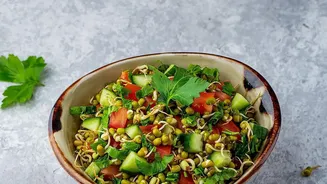
Sprouts are germinated seeds of vegetables, grains, and legumes, and they are nutritional dynamos. The sprouting process significantly increases their enzyme content, which helps your body break down carbohydrates, fats, and proteins more efficiently. This reduces the digestive load on your system. Sprouts are also an excellent source of fibre. During germination, the fibre structure changes, making it a valuable prebiotic that nourishes good gut bacteria and supports regularity. Adding a handful of crisp mung bean or broccoli sprouts to your salad provides a concentrated boost of digestive support.
Building Your Ultimate Digestive Health Bowl
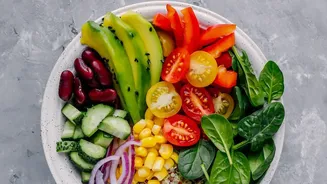
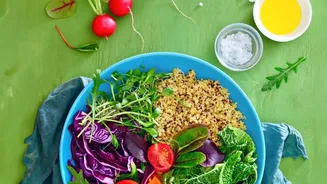
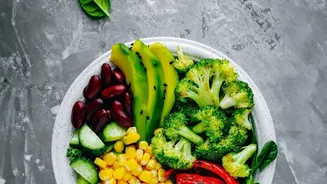
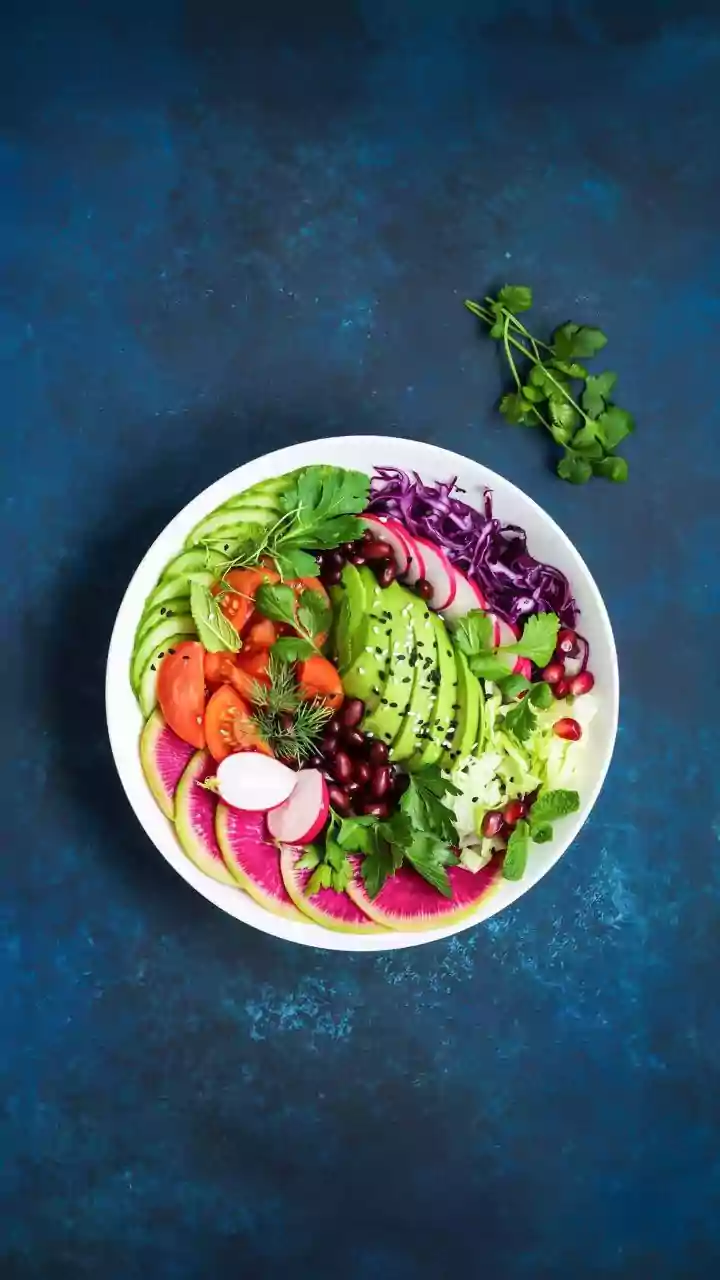
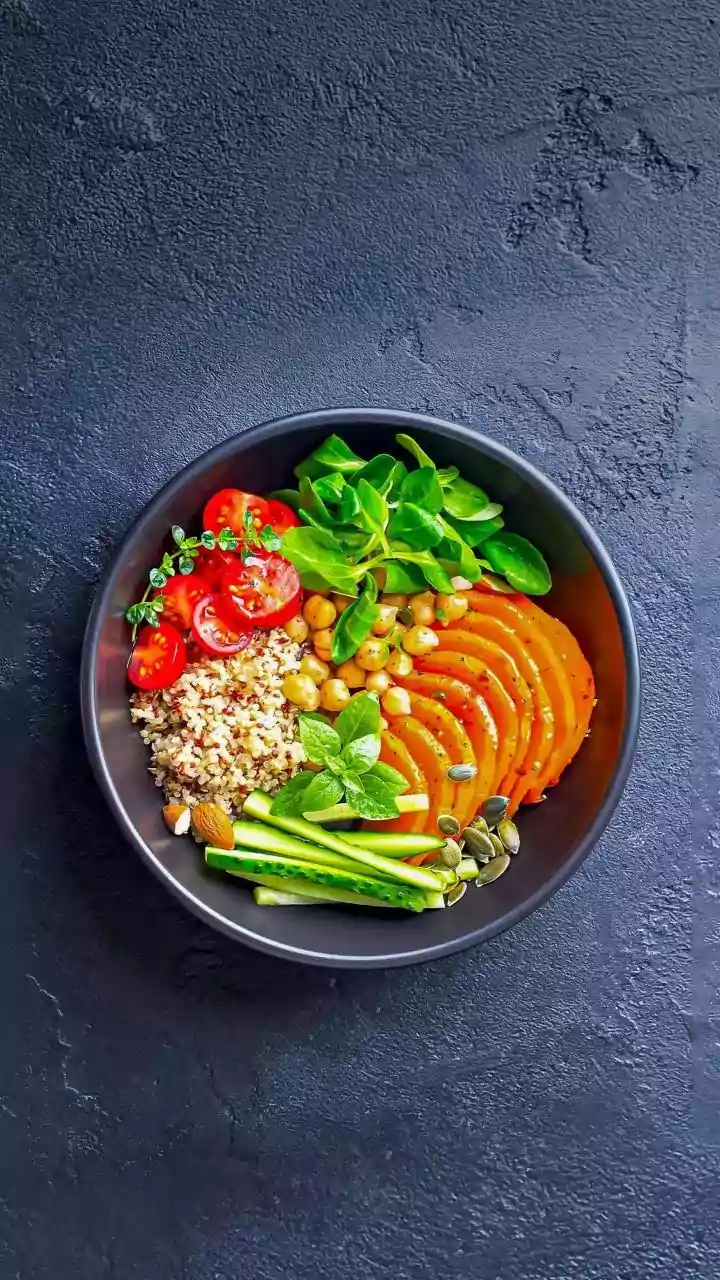
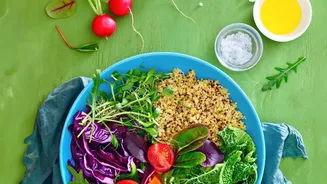
Creating your daily salad is simple. Start with a bed of dark, leafy greens like spinach or rocket for extra nutrients. Then, add generous amounts of sliced cucumber, grated raw beetroot, and a handful of your favourite sprouts. To make it a complete meal, consider adding a source of lean protein like grilled chicken, chickpeas, or a hard-boiled egg. Finish with a healthy fat-based dressing, such as a simple mix of extra virgin olive oil and lemon juice. The fat helps your body absorb the fat-soluble vitamins from the vegetables. Feel free to add other gut-friendly vegetables like carrots, bell peppers, or tomatoes for variety and a broader range of nutrients.
A Note on Moderation and Mindfulness
While these ingredients are incredibly beneficial, it's wise to introduce them into your diet gradually, especially if you're not used to a high-fibre intake. A sudden increase in fibre can sometimes cause temporary bloating or gas. For beetroot, be aware that it contains oxalates and fructans, which in large quantities might affect individuals prone to kidney stones or those with IBS. Also, don't be alarmed if you notice a pink or red hue in your urine or stool after eating beetroot; this harmless effect is called beeturia. Listening to your body and starting with smaller portions is always the best approach.