





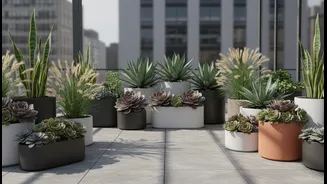


The Science of a Cool Roof
Before diving into plant choices, it’s useful to understand why this works. A bare concrete roof absorbs and radiates immense amounts of solar heat, contributing to the urban heat island effect and driving up your air conditioning bills. A green roof,
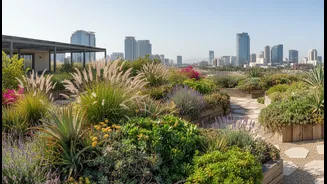
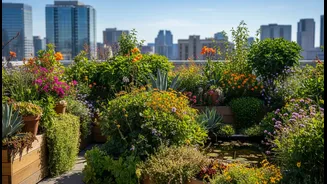
however, creates a living shield. Through a process called evapotranspiration, plants release moisture into the air, which has a natural cooling effect. Studies have shown that a green roof can be significantly cooler than a conventional one, reducing indoor temperatures and energy consumption. The soil acts as an insulator, while the plant leaves provide shade, preventing the sun’s rays from directly hitting the surface.
Strategy 1: Create a Living Carpet with Creepers
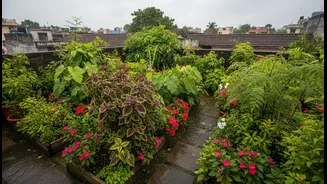
One of the most effective ways to shield your roof floor is to cover it. Fast-growing creepers and groundcover plants can form a dense mat of green, acting as a living carpet that blocks sunlight. The Railway Creeper (Ipomoea) is a vigorous option that can cover a large area quickly. For something that’s both beautiful and useful, consider vines like bottle gourd or pumpkin, which create shade with their large leaves. The Betel leaf plant, with its broad green leaves, is another excellent choice for creating a natural covering, protecting the roof from overheating.
Strategy 2: Go Vertical for Shade and Privacy
Taller plants are your allies in creating shade. Planting small trees or large shrubs in containers can cast long shadows that cool the surrounding area. Consider dwarf varieties of trees like Neem, which is famously heat-resistant, or fruit trees like lemon and guava in large pots. For a more structured approach, install trellises or pergolas. These structures provide support for climbing plants like the fragrant Madhumalti (Rangoon Creeper), Star Jasmine, or the vibrant Allamanda. This vertical greenery not only provides shade but also creates a sense of privacy and enclosure, turning your rooftop into a secluded sanctuary.
Strategy 3: Choose Heat-Loving Champions
Your rooftop is a challenging environment with intense sun and wind. The key is to select plants that are naturally adapted to these conditions. Bougainvillea is perhaps the toughest summer plant in India, thriving on neglect and producing more colourful bracts when the sun is harshest. Hibiscus is another staple that loves the sun and adds a tropical touch. For low-maintenance options, turn to succulents like Aloe Vera, Jade, and Portulaca (also known as the '9 O'Clock Flower'), which store water in their leaves and can handle dry spells. These hardy plants will provide colour and life without demanding constant attention.
Strategy 4: Smart Foundations and Watering
The right setup is crucial for success. Use light-coloured pots, as dark ones absorb more heat. Terracotta is a good choice for its porosity, which helps keep roots cool. Ensure all containers have good drainage. Before you begin, it's also wise to check your roof's load-bearing capacity. For watering, a drip irrigation system is a game-changer, delivering water directly to the roots and minimising wastage through evaporation. If watering by hand, do so in the early morning or late evening to allow the plants to absorb moisture before the day's heat sets in. Adding a layer of mulch (like bark chips or straw) on top of the soil helps retain moisture and insulates the roots from temperature extremes.