




The 'Health Halo' of Baked Snacks
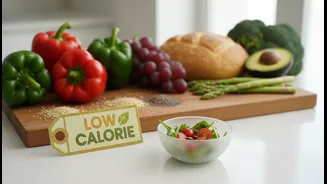
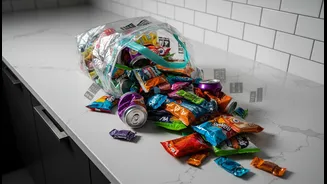
Food marketers are experts at using buzzwords to give products a 'health halo,' making us perceive them as healthier than they are. Terms like 'baked,' 'roasted,' or 'low-fat' can be misleading. While baking generally uses less oil than deep-frying, it's
not the whole story. A study from Cornell University found that the 'low-fat' label could lead people to eat up to 50% more, assuming it means fewer calories. This psychological trick can make us drop our guard and consume more fat and calories than we would with a snack we know is an indulgence.
Where the Hidden Fats Are Hiding
So, if the snack isn't fried, where does the fat come from? The answer is often in the ingredients of the product itself. Many commercially baked goods like biscuits, cookies, and even some savoury snacks, are made with significant amounts of fat to achieve the right flavour and texture. These 'invisible fats' can include butter, shortening, palm oil, or other vegetable oils mixed directly into the dough. Some baked chips even have oil added after baking to help seasonings stick, which can bring their fat content surprisingly close to their fried counterparts. In some cases, to compensate for lower fat, manufacturers increase the amount of sugar, salt, or refined starches, which isn't necessarily a healthier trade-off.
Baked vs. Fried: A Closer Look
In principle, baking is a healthier cooking method than deep-frying because it doesn't involve submerging food in oil. This generally results in a lower calorie and fat count. For instance, a serving of plain baked potato chips might have around 130 calories, while the same serving of fried chips has about 150. However, the gap can narrow significantly depending on the brand and preparation. Some analyses have found that the nutritional difference can be minimal, with baked versions sometimes containing more carbohydrates from added starches to improve texture. The real benefit of baking is the potential to retain more nutrients from the base ingredients, especially if they are made from whole grains or vegetables.
How to Be a Smarter Snacker
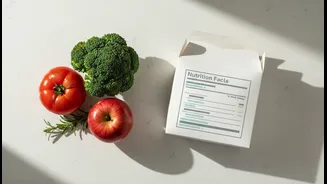
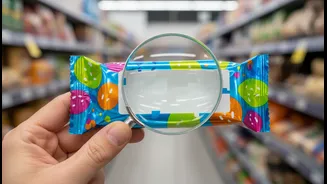
Instead of relying on front-of-pack claims, turn the package over and become a label detective. This is the best way to understand what you're really eating. First, check the serving size at the top; all the numbers listed are based on that amount, which is often smaller than what people actually eat. Then, look at the 'Total Fat' and 'Saturated Fat' content. Health experts recommend keeping saturated fat intake as low as possible. Also, scan the ingredients list. Ingredients are listed by weight, so if sugar, oil, or refined flour (like maida) are near the top, it’s a red flag. Look out for 'partially hydrogenated oils,' which are a source of unhealthy trans fats.
Making a Truly Healthier Choice
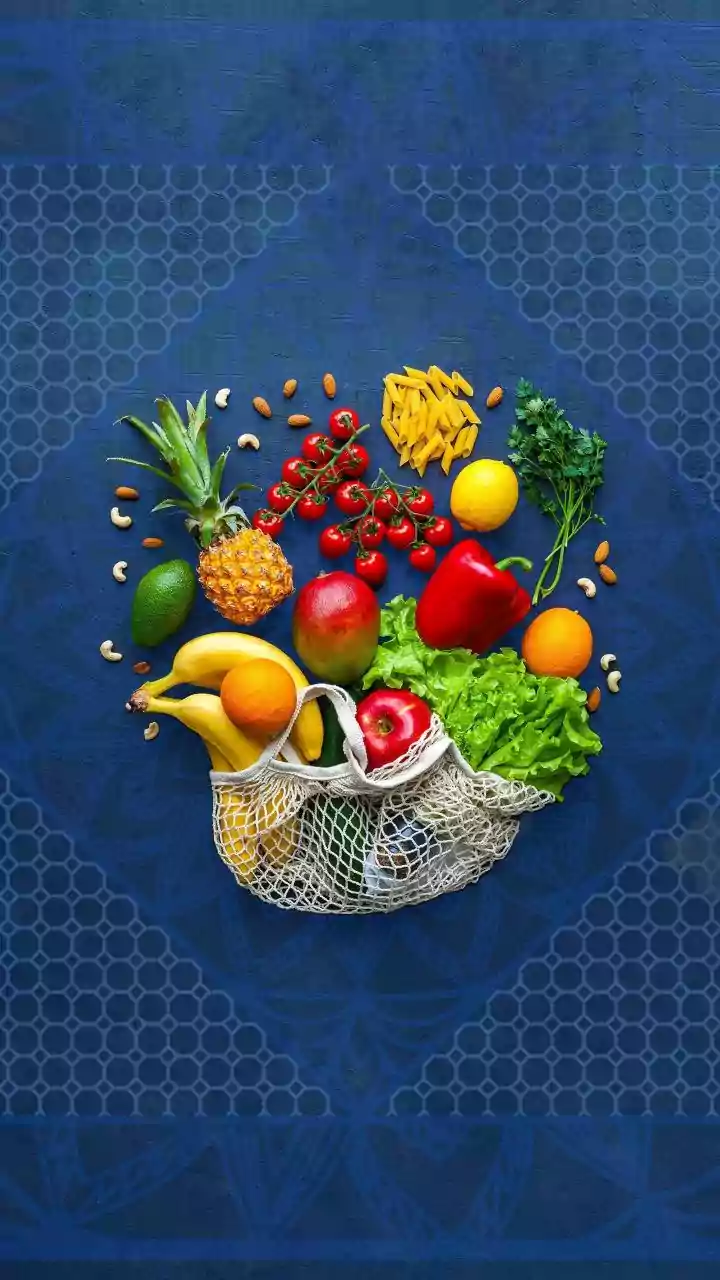
Ultimately, the healthiest snacks are often those that are minimally processed. Options like makhana (fox nuts), roasted chickpeas, fresh fruit, or a handful of nuts offer crunch and satisfaction with nutritional benefits. When choosing a packaged snack, look for one with a short, recognizable ingredient list. Compare the nutrition labels of a few different brands to find the one that is genuinely lower in fat, sodium, and sugar. The word 'baked' can be a good starting point, but it should be the beginning of your investigation, not the end.