



A Quintessential Monsoon Ritual
There are few sights more synonymous with the Indian monsoon than a bhutta-walla fanning hot coals by the roadside. As the sky turns grey and the earthy scent of petrichor rises from the soil, the smoky aroma of corn roasting over an open fire becomes
an irresistible call. For countless people, this isn't just a snack; it's a cherished ritual. It’s the simple pleasure of huddling under an awning, watching the rain fall, and waiting for that perfectly charred cob, blackened in spots and steaming hot. This experience, repeated on countless street corners from bustling cities to quiet hill stations, is a multi-sensory celebration of the season.
The Art of the Perfect Bhutta
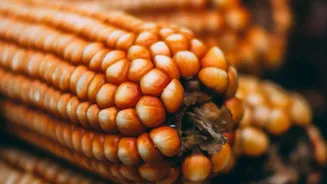
Preparing street-style bhutta is an art form honed over years. It begins with selecting fresh cobs, their husks still green and tight. The vendor, often with hands calloused from the heat, expertly turns the corn over a bed of crackling charcoal. The goal is a deep, smoky char that slightly blisters the kernels without drying them out. Once roasted to perfection, the real magic begins. A half-cut lime is dipped into a signature spice blend — typically a fiery mix of red chilli powder, black salt (kala namak), and chaat masala. This spice-laden lime is then vigorously rubbed all over the hot cob, its sour juice mingling with the spices and clinging to every kernel. Some vendors might add a brush of butter for extra richness before the final squeeze of lime.
A Taste of Nostalgia and Comfort
For many Indians, the taste of masala bhutta is deeply intertwined with memory and nostalgia. It evokes memories of childhood, of long drives during the rain, and of simple, shared moments of joy. Biting into the juicy, spicy, and tangy kernels is a flavour that transcends state boundaries, enjoyed universally from Delhi to Madhya Pradesh. While corn itself was introduced to India centuries ago, the masala bhutta is a distinctly Indian invention. It has become an integral part of the country’s culinary identity, a comforting and accessible treat that brings together people from all walks of life. The act of eating it—often a messy affair, biting kernels directly off the cob—is part of its rustic charm.
More Than Just a Snack
While corn is grown in India throughout the year, the fresh harvest that coincides with the monsoon is what makes bhutta a seasonal delicacy. This period sees a surge in vendors, or 'bhutta-wallas', for whom this trade is a vital source of seasonal income. These micro-entrepreneurs are a familiar and essential part of the streetscape, their livelihood tied directly to the rhythm of the rains. The entire enterprise is a model of simplicity and sustainability; the husks are sometimes used as a natural plate or handle, and every part of the transaction is direct and personal. You’re not just buying a snack; you're participating in a local economy and a cultural tradition that defines the season.