


The Global Rise of ‘Swicy’
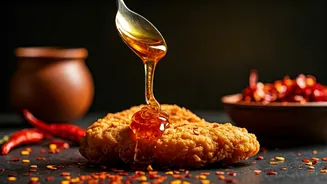
If you’ve noticed a rise in dishes that marry sweetness with a kick of heat, you’re tasting the ‘swicy’ trend. A portmanteau of 'sweet' and 'spicy,' this flavour profile is dominating global food conversations, from hot honey drizzled on pizzas to chilli-infused
chocolate. [10, 17] The appeal is simple: sweetness balances the burn of chilli, creating a more complex and layered taste experience. [10] While it might have a trendy new name, the concept itself isn't new and has been a cornerstone of many world cuisines for centuries, including Thai, Korean, and Mexican cooking. [10] However, as the trend goes mainstream, driven by social media and a growing appetite for bold flavours, it’s finding a particularly strong resonance in India, where the combination is less a novelty and more a homecoming. [3, 4, 17]
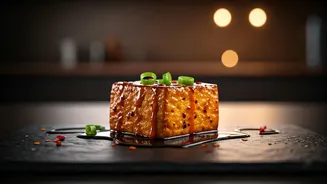
Exhibit A: The Irresistible Honey-Chilli Tofu
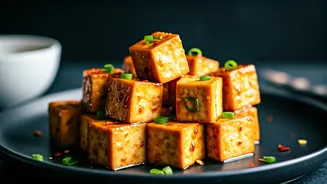
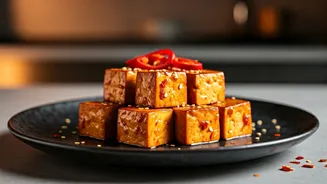
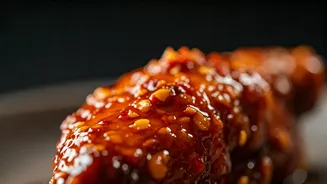
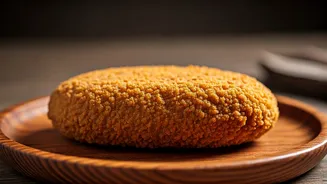
Enter Honey-Chilli Tofu, the unofficial ambassador of the swicy movement in modern India. The dish, a vegetarian spin on the wildly popular Honey-Chilli Potato or Chicken, has become a menu staple. [2, 20] Its genius lies in its textural and flavour contrasts. You get the crunch of the batter-fried tofu, followed by the soft, yielding interior, all coated in a glossy sauce that hits you with sweetness from the honey first, then a slow-building heat from the chillies and garlic. Tofu, with its neutral taste and absorbent qualities, is the perfect canvas for this bold sauce, making it a favourite in urban restaurants and home kitchens alike. [23] It’s a dish that’s easy to love, balancing comfort with a little bit of thrill, making you reach for just one more bite. [2]
A Legacy of Indo-Chinese Cuisine
To understand the popularity of dishes like Honey-Chilli Tofu, we have to look at the legacy of Indo-Chinese cuisine. This beloved fusion genre has been preparing the Indian palate for swicy flavours for decades. [5] Originating in Kolkata with the migration of Chinese communities, the cuisine adapted to local tastes, incorporating Indian spices and vegetables into Chinese cooking techniques. [6, 7] Restaurateurs found that Indian customers loved bolder, spicier, and often sweeter flavours than traditional Chinese food offered. [9, 11] The result was a new culinary language, giving us iconic dishes like Manchurian, which Nelson Wang famously created in 1975 by adding soy sauce and cornstarch to a base of Indian aromatics like ginger, garlic, and green chillies. [9] This 'Desi Chinese' paved the way for sweet, spicy, and tangy flavour profiles to become a mainstream comfort food across the nation. [5, 20]
Not So New After All?
While Indo-Chinese food gave the swicy profile a modern, accessible format, the truth is that this combination has deep roots in traditional Indian cuisine. [4] For generations, Indian cooks have instinctively balanced sweet and spicy. [4] Think of the sweet and tangy tamarind chutney served with a spicy samosa, the jaggery that offsets the heat in a Gujarati dal, or the complex sweet, sour, and spicy notes in Parsi cooking. [2, 4] From street vendors dusting guava with chilli powder to pickles that expertly mix sugar and spice, the Desi palate has always celebrated this contrast. [4] What the West is now calling 'swicy' is a flavour philosophy India has practiced for generations; it just never needed a catchy name because it was simply how food tasted. [4]
The Modern Desi Palate
So why does Honey-Chilli Tofu feel so perfectly 'Desi'? The term 'Desi' itself refers to the people and culture of the Indian subcontinent, and in a culinary context, it often means adapting a foreign dish to suit South Asian tastes, usually with the addition of familiar spices and flavours. [8, 12] Honey-Chilli Tofu is a prime example of this evolution. It takes a globally recognized ingredient (tofu) and a popular flavour trend (swicy), but filters them through the beloved format of Indo-Chinese cooking, which is already considered a 'Desi' cuisine in its own right. [8, 20] It reflects a modern Indian palate that is both global in its curiosity and deeply local in its comfort zones. We embrace new ingredients and trends but have a knack for making them distinctly our own.