






The Great Himalayan Rain Shadow
The secret to this arid sanctuary lies in a simple geographical phenomenon: the rain shadow effect. As moisture-laden monsoon clouds travel north from the Indian Ocean, they are forced to rise by the mighty Himalayan ranges. As they ascend, the clouds cool,
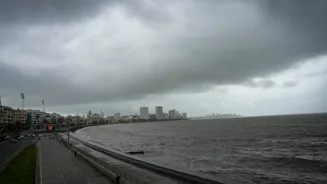
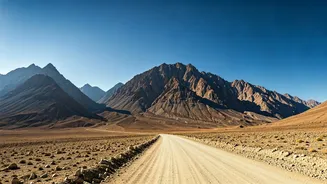
condense, and dump nearly all their rainfall on the southern slopes, nourishing the lush greenery of states like Himachal Pradesh and Uttarakhand. By the time the air currents cross the highest peaks to reach the Tibetan plateau, where Ladakh and Spiti are located, they have lost all their moisture. This process turns the Himalayas into a massive wall, effectively blocking the monsoon and creating the cold, high-altitude deserts we see in these regions. While the rest of the country is under grey skies, Ladakh and Spiti bask in brilliant sunshine, with clear blue skies and minimal precipitation.
Ladakh: Land of High Passes
Often called 'Little Tibet', Ladakh becomes a traveller's paradise during the monsoon months. With flights to Leh operating regularly, it's the most accessible of the two regions. The summer season (which coincides with the monsoon elsewhere) is when Ladakh truly comes alive. The stark, lunar landscapes are punctuated by vibrant green patches of barley fields along the Indus and Zanskar rivers. Ancient monasteries perched precariously on hilltops, like Thiksey, Hemis, and Diskit, hold their most important festivals during this time. The weather is perfect for exploring the surreal landscapes of Nubra Valley, with its double-humped Bactrian camels, and the breathtaking high-altitude Pangong Tso, whose waters shift through a dozen shades of blue. While the Manali-Leh and Srinagar-Leh highways open up, travellers should be aware that the approach roads can still face landslide risks from rain on the southern side of the ranges.
Spiti: A World Within A World
If Ladakh is a popular paradise, Spiti Valley is its more remote, rugged, and raw cousin. Known as the 'Middle Land' between India and Tibet, Spiti offers a more profound sense of isolation and adventure. The journey itself, typically via the treacherous roads from Shimla or Manali, is part of the experience. Once inside the valley, you are greeted by a landscape of barren mountains, deep gorges, and villages that seem frozen in time. Spiti's beauty is subtle and powerful. Key Monastery, resembling a fortified castle, the stunningly located Dhankar Monastery, and the high-altitude villages of Langza, Hikkim, and Komic (home to the world's highest post office) are major draws. This is the best time to undertake multi-day treks, such as the one to Chandratal Lake, the 'Lake of the Moon', whose accessibility is highest during these dry summer months.
Planning Your Monsoon Escape
While these regions escape the rain, planning is still crucial. This is peak tourist season, so flights and accommodation, especially in Leh, should be booked well in advance. The most critical factor to consider is acclimatization. Both Leh (at 11,500 ft) and Kaza in Spiti (at 12,500 ft) are at extreme altitudes. Rushing your itinerary is a recipe for Acute Mountain Sickness (AMS). Plan to spend at least two to three days acclimatizing at your point of entry before ascending further. Pack layers of clothing; the sun is incredibly harsh during the day, requiring sunscreen and hats, but temperatures drop sharply at night, necessitating warm jackets and thermals. The roads within the valleys are generally clear, but always have a buffer day or two in your itinerary for unexpected delays, especially if travelling by road from Manali or Shimla.