






Hack 1: Camphor to Banish Musty Odours
The Claim: Placing a few camphor (kapur) tablets or naphthalene balls in cupboards and corners of a room will absorb excess moisture and leave a fresh scent, preventing that signature monsoon mustiness. Why it's viral: It’s a cheap, traditional, and easily
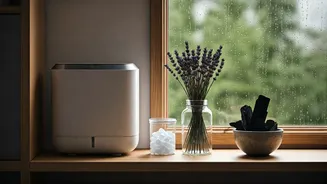
accessible solution. The strong, clean smell of camphor is deeply associated with purity and effectively masks unpleasant odours, making this hack an instant hit on WhatsApp groups and Instagram Reels. Our Verdict: It works, but with a major caution. Camphor is excellent at masking smells and does have some mild dehumidifying properties. However, both camphor and naphthalene are toxic if ingested and their fumes can be irritating to people with asthma or respiratory issues. Use them sparingly inside closed cupboards, but avoid placing them in open living spaces, especially in homes with children or pets. A safer alternative for open areas is a bowl of baking soda or activated charcoal, which are excellent non-toxic moisture and odour absorbers.
Hack 2: The Newspaper-in-Shoe Trick
The Claim: Stuffing wet shoes—especially leather or canvas ones—with crumpled newspaper will help them dry quickly from the inside out and maintain their shape.
Why it's viral: It’s practically free and uses something everyone has at home. Getting caught in a downpour and ending up with squelchy, soaked shoes is a universal monsoon problem, and this hack promises a simple, overnight fix.
Our Verdict: This is a classic for a reason—it absolutely works. Newspaper is highly absorbent and porous, allowing it to draw moisture out of the shoe's fabric. For best results, remove the insoles and dry them separately. Loosen the laces and stuff the shoes tightly with balled-up newspaper. Change the paper every few hours if the shoes are completely drenched. Avoid using pages with heavy, dark ink on light-coloured shoes to prevent staining. This method is far gentler than using a hairdryer, which can damage leather and melt adhesives.
Hack 3: DIY Dehumidifiers with Salt or Rice
The Claim: You can create a cheap, effective dehumidifier by placing a bowl of uncooked rice or coarse salt in a damp room or closet. These ingredients will absorb ambient moisture from the air.
Why it's viral: This hack taps into the DIY spirit and avoids the cost of an electric dehumidifier. It feels like a clever, sustainable home remedy, which is highly shareable content.
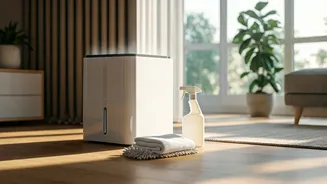
Our Verdict: It's partially effective, but only on a very small scale. Salt and rice are hygroscopic, meaning they attract and hold water molecules. This will work to a limited extent in a small, enclosed space like a tiny closet or a shoebox. However, a single bowl of rice will do very little to reduce the overall humidity in a bedroom or living room during the peak monsoon. For larger spaces, commercial silica gel packs or an electric dehumidifier are far more effective. Think of this hack as a good solution for your spice cabinet, not your entire home.
Hack 4: Vinegar Spray to Fight Mould
The Claim: Spraying a solution of white vinegar and water on walls, window sills, and bathroom tiles can prevent the growth of black mould and mildew.
Why it's viral: People are increasingly looking for chemical-free cleaning solutions. Vinegar is a pantry staple hailed as a cure-all for cleaning, making this a popular and eco-friendly tip.
Our Verdict: Highly effective and recommended. The acetic acid in white vinegar is a potent anti-fungal and anti-bacterial agent that kills most common species of mould. For a simple cleaning spray, mix equal parts white vinegar and water in a spray bottle. Spray on affected surfaces, let it sit for about an hour, and then wipe clean with water. The vinegar smell will dissipate as it dries. This is a much safer and often more effective alternative to harsh bleach, especially on porous surfaces.
Hack 5: Using a Hairdryer on Damp Clothes
The Claim: When you urgently need a slightly damp shirt or pair of socks, a quick blast with a hairdryer will get them ready to wear in minutes.
Why it's viral: It’s a quick-fix for a common desperation move. When clothes refuse to dry for days, the temptation to use a hairdryer is strong, and videos demonstrating this 'life hack' get a lot of traction.
Our Verdict: Use with extreme caution. While this can work for a small damp patch on a cotton t-shirt, it’s a risky move. Holding a hairdryer too close to fabric can scorch or even ignite synthetic materials like polyester or nylon. It's also incredibly energy-intensive. A better and safer method for speeding up drying is to place clothes on a hanger and point a standing or table fan at them. The constant air circulation is more effective than concentrated heat and poses no fire risk. If you must use a hairdryer, keep it on a low-heat setting and constantly move it.