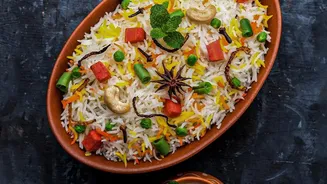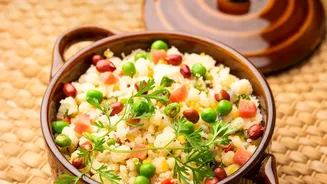


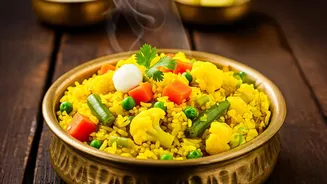
Looking for a meal that's wholesome, quick, and leaves you with fewer dishes to wash? This guide to making the perfect one-pan vegetable millet pulao covers everything, from choosing the right millet to achieving that fluffy, non-sticky texture.
The Rise of a Super Grain
Millets
are having a well-deserved moment in the spotlight. These ancient grains, once a staple in Indian households, are making a comeback for all the right reasons. Not only are they naturally gluten-free, but they are also packed with fibre, protein, and essential minerals. Unlike rice, millets have a lower glycaemic index, which means they release energy slowly, keeping you full for longer without causing a sharp spike in blood sugar. Their slightly nutty, earthy flavour provides a wonderful base for the spices and vegetables in a pulao, making it a healthier yet equally delicious alternative to traditional rice-based dishes.
Choosing the Right Millet
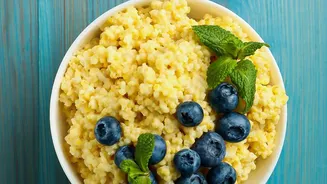
The secret to a great millet pulao starts with selecting the right type of millet. While there are many varieties available, some are better suited for a fluffy pulao than others. Foxtail millet (kangni), little millet (kutki), and kodo millet are excellent choices. They hold their shape well and don't turn mushy easily. Barnyard millet (samak) also works, though it cooks faster. It's crucial to note that each millet has a slightly different cooking time and water requirement. For a beginner, foxtail millet is a reliable starting point. Always ensure your millet is clean and free of debris before you begin cooking.
The Perfect Vegetable Medley
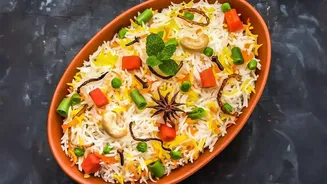
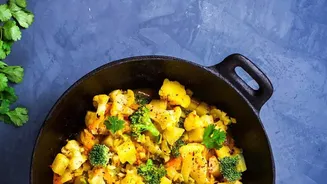
The beauty of a one-pan pulao lies in its versatility. You can use almost any vegetables you have on hand. For the best results, use a mix of hard and soft vegetables. Hardy vegetables like carrots, potatoes, and green beans should be chopped finely and added earlier in the cooking process. Softer vegetables such as peas, bell peppers (capsicum), and sweet corn can be added a little later so they retain their texture and colour. The foundation of any good pulao is its aromatic base. Finely chopped onions, ginger-garlic paste, and green chillies sautéed in ghee or oil create the first layer of incredible flavour.
Mastering the One-Pan Method
The 'one-pan' promise can be tricky if you don't get the technique right. The goal is perfectly cooked grains and tender vegetables, not a sticky porridge. First, heat oil or ghee in a thick bottomed pan or pressure cooker. Sauté whole spices like cumin seeds, cinnamon, cloves, and bay leaves until fragrant. Add onions and cook until translucent, then add ginger garlic paste. Next, stir in your hard vegetables and cook for a few minutes. Add the rinsed and drained millet and toast it for a minute or two. This is a key step to ensure each grain remains separate. Finally, add the water, soft vegetables, salt, and any powdered spices like turmeric or garam masala. Give it one final stir, bring to a boil, then cover and simmer on low heat until the liquid is absorbed.
The Crucial Water Ratio
The most common pitfall when cooking millet is using the wrong amount of water. This is what separates a fluffy pulao from a sad, mushy mess. A reliable rule of thumb for most millets like foxtail or little millet is a 1:2 ratio. That means for every one cup of millet, you should use two cups of water. If you are using a pressure cooker, you might need slightly less water, around 1.75 cups for every cup of millet. If you pre soak your millet for 20–30 minutes (which can help with digestion and faster cooking), reduce the water to about 1.5 cups. It's always better to start with less water; you can always add a splash more if needed, but you can't fix an overly wet pulao.
Tips for a Perfect Finish
Once the millet has absorbed all the water, turn off the heat but do not open the lid immediately. Let the pulao rest, covered, for at least 10–15 minutes. This steaming process is vital for allowing the grains to finish cooking and become perfectly fluffy. After resting, gently fluff the pulao with a fork, not a spoon, to separate the grains without breaking them. Avoid over stirring the pulao while it is cooking, as this can activate the starches and make it sticky. Garnish your finished dish with fresh coriander leaves and a squeeze of lemon juice to brighten up the flavours. It pairs wonderfully with a side of plain curd or raita.