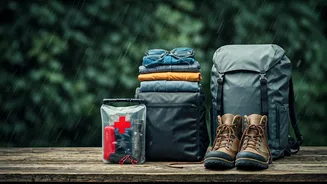




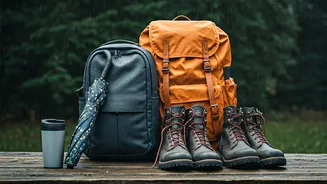



Choose Your Fabrics Wisely
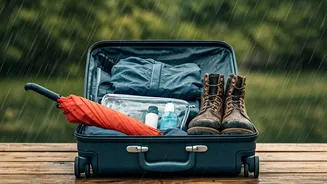
When it comes to monsoon clothing, cotton is not your friend. It absorbs moisture, becomes heavy, and takes forever to dry, leaving you feeling damp and uncomfortable. Instead, your suitcase should be filled with synthetic, quick-drying fabrics. Think
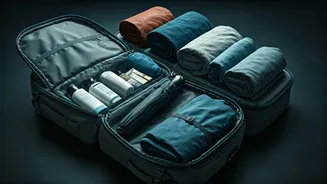
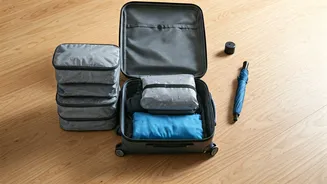
polyester, nylon, and rayon blends. These materials wick moisture away from your skin and dry in a fraction of the time, which is a lifesaver in humid conditions. Pack a few lightweight t-shirts, a pair of quick-dry trousers or shorts, and a light fleece for chilly evenings. The goal is to layer effectively without adding bulk. A dark colour palette is also practical, as it won’t show mud splashes as easily.
The Right Outerwear is Non-Negotiable
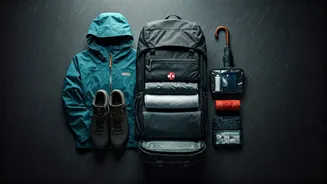
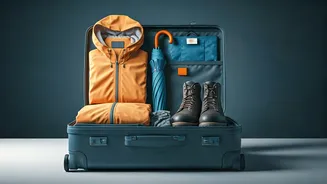
An umbrella is a good start, but it won’t protect you from gusty winds and sideways rain. A reliable, lightweight, and breathable waterproof jacket is your single most important investment for a monsoon trip. Look for one that is seam-sealed to prevent water from leaking through the stitches. It should be light enough to be packed into a small pouch when the sun makes a brief appearance. While ponchos are a cheaper alternative, they can be cumbersome, especially on treks or windy coastlines. A good rain jacket offers better protection and mobility, making it worth the extra space in your bag. Similarly, a waterproof cover for your backpack is essential to keep all your belongings dry during a sudden downpour.
Footwear That Fights Back
Your favourite leather sandals or canvas sneakers will be ruined in the monsoon. They absorb water, become breeding grounds for fungus, and offer zero grip on slippery surfaces. The ideal monsoon footwear is made of rubber or other waterproof synthetic materials. Look for floaters, rubber sandals with good grip, or waterproof trekking shoes if you plan on hiking. Ensure the soles have deep grooves for better traction on wet, muddy, or mossy paths. It's also wise to pack two pairs. This way, if one pair gets completely soaked, you have a dry backup to wear while the other one airs out. Avoid flip-flops for walking long distances as they offer poor support and protection.
Protect Your Precious Electronics
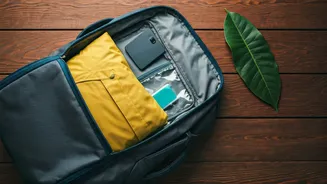
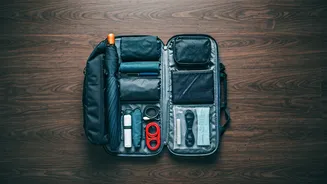
Water and electronics do not mix. High humidity alone can damage your gadgets, let alone a full-on drenching. The simplest solution is to carry a few high-quality zip-lock bags in various sizes for your phone, camera, power bank, and chargers. For more robust protection, consider investing in a 'dry bag'. These are roll-top waterproof bags used by kayakers and rafters, and they guarantee your valuables will stay bone-dry even if submerged. A small 5-litre or 10-litre dry bag is an excellent, reusable investment for any traveller. It also helps to carry silica gel packets, which you often find in new shoe boxes, to absorb excess moisture inside your electronics bag.
A Monsoon-Ready Health Kit
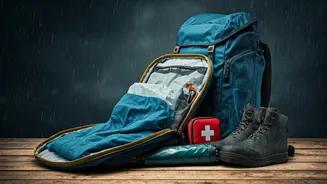
The monsoon season brings with it a higher risk of water-borne diseases and insect bites. Your standard first-aid kit needs a few upgrades. Pack a strong insect repellent containing DEET to ward off mosquitoes. Include antiseptic wipes, waterproof band-aids, and an anti-fungal powder to deal with minor cuts and potential skin issues caused by dampness. It's also a good idea to carry medication for stomach upsets and a water-purifying solution or tablets, especially if you're travelling to remote areas where access to clean drinking water might be a concern. Hand sanitiser is another must-have for maintaining hygiene on the go.