
The World Through an Open Window
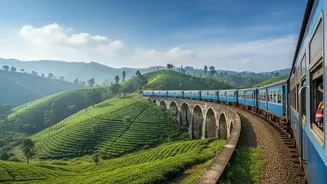
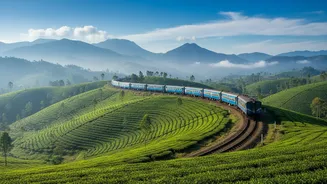
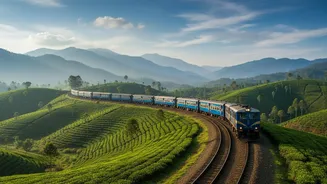
The seven-hour journey is not about speed; it's about immersion. The train snakes through Sri Lanka’s Hill Country, a landscape that constantly evolves outside your window. Shortly after leaving the city of Kandy, the scenery shifts to dense palm jungles
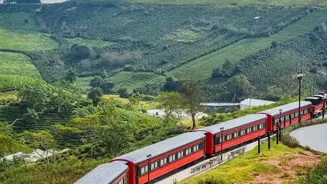
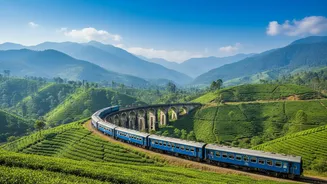
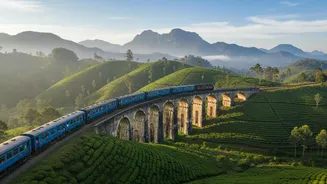
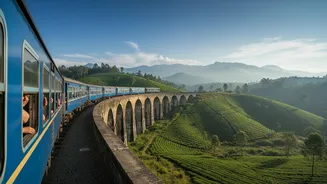
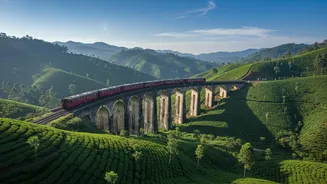
and then dramatically opens up to reveal vast, emerald-green tea plantations clinging to steep hillsides. The most celebrated stretch is between Hatton and Ella, where you'll pass misty forests, cascading waterfalls, and charming villages with brightly painted stations. The slow pace of the train allows you to absorb every detail, from the sight of tea pickers at work to the fresh, cool mountain air that flows through the open windows and doorways.
Choosing Your Seat and Your Thrill
The experience varies significantly depending on your ticket. First Class offers air-conditioned cabins with large windows, but they are sealed, which some travelers feel detracts from the sensory experience. Second and Third Class are the heart of the adventure. These cars feature open windows and doors, where locals and tourists alike gather for unobstructed views and the iconic photo opportunities hanging safely out of the carriage. Second Class reserved seats offer a good balance of comfort and authenticity, while unreserved cars provide a more spontaneous, crowded, and lively local experience. For the best views traveling from Kandy to Ella, snag a seat on the right side of the train.
A Thrifty Traveler’s Dream
Despite its world-class reputation, the journey is incredibly affordable. Ticket prices are a fraction of what you would pay for scenic train rides in Europe or North America. As of 2026, a third-class ticket can cost as little as 300 Sri Lankan Rupees (LKR), which is less than two U.S. dollars. A second-class ticket is around 600 LKR, and even a first-class seat is priced affordably at about 1,200 LKR. This incredible value is a major reason for its popularity, particularly among tourists from neighboring India and other budget-conscious travelers who find the experience delivers immense reward for a minimal cost.
The Art of Booking Your Ticket
The train's fame comes with a challenge: getting a ticket. Reserved seats, especially in First and Second Class, sell out weeks or even months in advance, particularly during peak season (December to March). Sri Lanka Railways opens reservations 30 days ahead, and seats are snapped up quickly. While it's possible to buy unreserved tickets at the station on the day of travel, be prepared for a scramble and the high likelihood of standing for much of the seven-hour trip. For peace of mind, it's highly recommended to book reserved seats online as soon as your travel dates are firm. Several third-party travel websites like 12Go Asia are popular among international travelers for their user-friendly booking process, though they come with a small service fee.
More Than Just a Ride
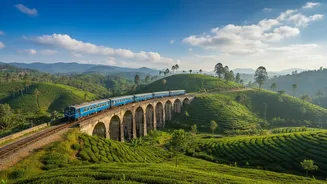
Beyond the stunning vistas, the train is a vibrant cultural experience. It’s a place where you can interact with Sri Lankan families, share snacks with fellow travelers, and enjoy the lively atmosphere. Vendors hop on and off at various stops, selling everything from spicy samosas to sweet tea. The journey's popularity with a diverse crowd of international backpackers and regional tourists, including many from India, creates a dynamic and social environment. The ride is broken up by interesting stops near major attractions, such as Nanu Oya for the colonial-era town of Nuwara Eliya, Hatton for the pilgrimage site of Adam's Peak, and finally Ella, a relaxed backpacker hub famous for its hiking and the iconic Nine Arch Bridge.