





Before You Start the Engine
A safe trip begins long before you turn the key. A thorough vehicle check is non-negotiable. Start with your tyres; ensure they have adequate tread depth to maintain grip on slick, wet roads. Properly inflated tyres are crucial for traction on winding
routes. Next, inspect your brakes. Ghat roads put immense strain on them during steep descents, so ensure they are in optimal working order. Your windscreen wipers are your best friend in a downpour, so replace worn-out blades for a clear, unobstructed view. Finally, check all your lights—headlights, taillights, and indicators. They must be fully functional, as good visibility is critical for both seeing and being seen, especially at night or in heavy rain. A clean, non-yellowed headlight lens is also important as wet roads absorb more light, reducing the effectiveness of your beams.
Mastering the Art of Ghat Driving
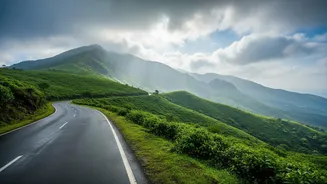
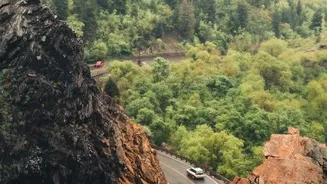
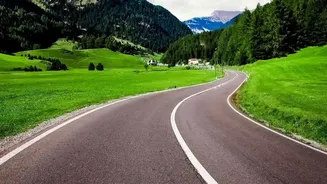
Driving in the ghats requires a different mindset than on a flat highway. First and foremost, slow down. A controlled speed allows you to navigate sharp curves and react to unexpected obstacles safely. Maintain a greater following distance than you normally would; wet roads significantly increase braking distances. When approaching sharp bends and hairpin turns, use lower gears. Downshifting helps control your vehicle’s speed without constantly riding the brakes, which can cause them to overheat. It also provides better engine response to power out of the corner. Honking around blind curves is a standard practice in the ghats to alert oncoming traffic of your presence. Always remember to give way to vehicles driving uphill, as they have the right of way.
Navigating Darkness and Downpours
The combination of night and rain is one of the most challenging driving conditions. Reduced visibility is the primary danger. Always drive with your headlights on, even in light rain during the day, to make your vehicle more conspicuous. However, avoid using high beams in heavy rain or fog, as the light can reflect off the water droplets and worsen your visibility. Be extremely cautious of standing water. Large puddles can hide deep potholes or cause your vehicle to hydroplane, where your tyres lose contact with the road surface. If you must drive through a waterlogged area, do so slowly and steadily in a low gear to prevent your engine from stalling. Never attempt to cross water that is higher than the bottom of your car's doors.
Staying Alert to Natural Hazards
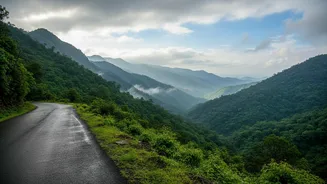
Ghat roads, especially during the monsoon, are prone to natural hazards like landslides and rockfalls. Stay updated on weather forecasts and road conditions before and during your trip. Be vigilant for warning signs such as trickles of mud, small rocks falling onto the road, or tilted trees and poles. These can be precursors to a larger slide. If you encounter a landslide, your best protection is to get out of its path quickly. If you are trapped, it is generally safer to stay inside your vehicle, as it provides a protective shell against debris. Once the slide stops, check for downed power lines before attempting to move. If visibility becomes extremely poor due to heavy rain, it is safer to pull over at a designated safe spot, away from steep slopes, and wait for the weather to improve.
Your Emergency and Communication Plan
Preparation for the worst-case scenario is crucial for peace of mind. Pack an emergency kit that includes a first-aid box, a toolkit, a torch with extra batteries, and high-energy snacks and water. Given that mobile networks can be unreliable in remote mountain areas, inform a friend or family member of your intended route and expected arrival time. A fully charged power bank is also a wise addition to your kit. Avoid distractions like using your mobile phone or adjusting the radio frequently; your full attention needs to be on the treacherous road ahead. Frequent breaks every two to three hours can help combat fatigue, which is a significant risk on long, demanding drives.