





Understanding Protein 'Quality'
When we talk about protein, it's not just about the total grams. The 'quality' of a protein source is determined by its amino acid profile. Proteins are made of building blocks called amino acids. There are 20 different types, nine of which are 'essential'
because our bodies can't make them—we must get them from food. A 'complete' protein is one that contains all nine of these essential amino acids in sufficient amounts. These are crucial for countless bodily functions, but especially for fitness enthusiasts, as they are vital for stimulating muscle repair and growth after a workout.
The Plant Protein Puzzle
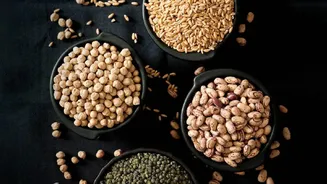
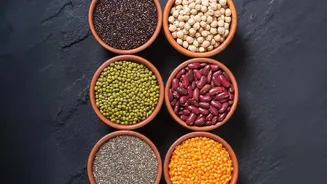
Most animal-based proteins like meat, eggs, and dairy are naturally complete. However, the majority of individual plant-based foods are considered 'incomplete'. This doesn't mean they are bad; it just means they are low in one or more of the essential amino acids. This is often referred to as the 'limiting amino acid'. For example, grains like rice, wheat, and corn are typically low in the essential amino acid lysine. On the other hand, legumes—a family that includes beans, lentils, and chickpeas—are generally low in the essential amino acid methionine.
The Power of Protein Complementation
This is where the magic of pairing comes in. By combining grains and legumes, you create a meal with a complete amino acid profile. The lysine that is lacking in the grains is supplied by the legumes, and the methionine that is low in the legumes is provided by the grains. This concept is called protein complementation. It’s a strategy that has been used in traditional diets around the world for centuries, long before the science was understood. Think of classic dishes like rice and beans in Latin America, dal (lentils) and rice in India, or hummus (chickpeas) with pita bread (wheat) in the Middle East. These aren't just delicious pairings; they are nutritionally brilliant.
Why This Matters for Fitness
For anyone, but especially those with fitness goals, consuming complete proteins is key for muscle protein synthesis—the process your body uses to build and repair muscle tissue. Studies have shown that essential amino acids directly stimulate this process during post-exercise recovery. If your meal is missing or low in a particular essential amino acid, it can limit your body's ability to effectively use the protein you've consumed for muscle repair. By ensuring your vegetarian meals contain a full spectrum of amino acids through smart pairings, you provide your body with all the necessary tools to recover from training, build strength, and maintain lean muscle mass.
Practical Pairings for Your Plate
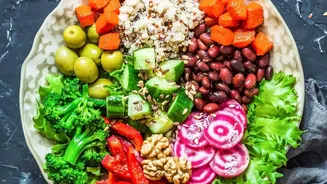
Incorporating this strategy into your diet is simple and doesn't require obsessive tracking. While it was once thought that these complementary proteins needed to be eaten in the same meal, modern nutrition science suggests that as long as you get a varied intake throughout the day, your body can pool the amino acids. However, eating them together is a convenient way to ensure you're covered. Some easy and effective combinations include: whole wheat toast with peanut butter, black bean chili with cornbread or crackers, lentil soup with a side of whole-grain bread, and tofu (a complete protein from soy) with rice.