

More Than Skin Deep
In the palaces of ancient and princely India, beauty was never merely cosmetic. It was a reflection of inner health and balance, deeply rooted in the principles of Ayurveda. For royals, these practices were part of a sophisticated lifestyle aimed at achieving
longevity, wellness ('Aarogyam'), and overall happiness ('Anandam'). The goal was to attain a natural radiance that spoke of vitality, a philosophy that viewed skincare as an essential component of self-care and spiritual purity. These rituals were often communal affairs, where women would gather to share in the lengthy processes of preparing masks and oils, turning beauty into a shared, sensory experience.
A Treasury of Royal Ingredients
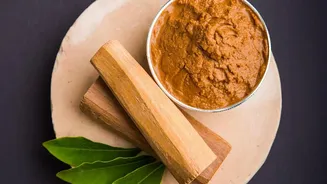
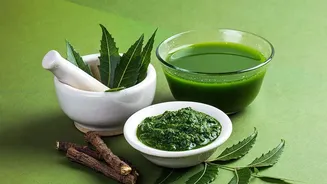
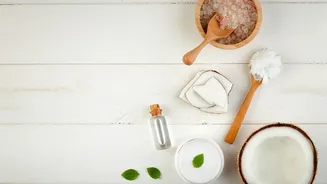
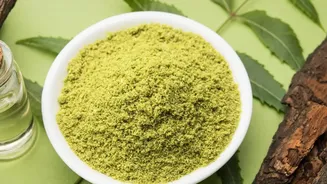
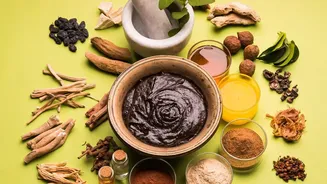
The ingredients used by royalty were sourced directly from nature, forming a potent apothecary of skin-enhancing botanicals. Saffron, or 'Kesar', was a prized possession, often called 'Red Gold' for its value and efficacy. Mixed into milk for baths or face packs, it was believed to bestow a golden glow and reduce pigmentation, a practice favoured by queens in Rajasthan to combat the harsh desert climate. Sandalwood ('Chandan') was another cornerstone, used for its cooling properties to soothe inflammation and calm the skin. Mughal empress Nur Jahan was famously so enchanted by roses that her lavish bathing rituals led to the discovery of rose oil. Meanwhile, in the south, princesses relied on the purifying power of neem and turmeric masks, along with nourishing coconut milk, to protect their skin in the tropical humidity.
The Ritual of Ubtan
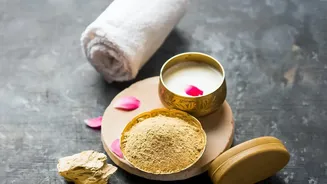
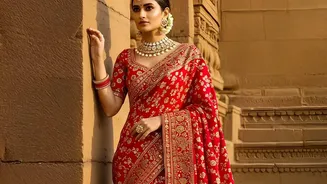
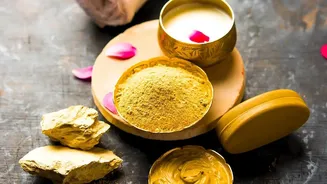
Perhaps the most iconic of all royal beauty practices is the 'ubtan'. This traditional preparation is a bespoke paste made from ingredients like gram flour (besan), turmeric, sandalwood, and milk or rose water. Considered one of the oldest and purest forms of cosmetics, its use is documented in ancient Ayurvedic texts. Ubtan was, and still is, a cornerstone of pre-wedding ceremonies, applied to both the bride and groom to cleanse, exfoliate, and purify the skin, ensuring a radiant glow for the special day. This practice was not limited to brides; royals used ubtan as a regular body cleanser and polisher, a testament to its effectiveness and luxurious feel.
The Enduring Legacy of Maharani Gayatri Devi
More recently, Maharani Gayatri Devi of Jaipur, celebrated globally as a style icon, embodied the grace of these traditions. While known for her minimalist makeup and elegant chiffon sarees, her beauty philosophy was rooted in simple, natural care. She was known to drink amla juice, rich in Vitamin C, to maintain her skin's firmness and glow. In her memoir, she mentioned bathing with perfumed oils and applying turmeric paste to her skin. Her approach demonstrated that the essence of royal beauty was not about elaborate artifice, but about harnessing the power of simple, natural ingredients for timeless elegance.
From Palaces to Modern Times
The wisdom of these royal Ayurvedic practices has not been lost to history. Today, there is a major resurgence of interest in these ancient traditions, with consumers increasingly seeking natural and holistic skincare solutions. Modern science has begun to validate the benefits that have been known for centuries: turmeric's anti-inflammatory properties, sandalwood's cooling effects, and saffron's antioxidant power. The same ingredients that graced the vanities of queens are now the stars of contemporary beauty brands, demonstrating that these royal secrets hold a timeless appeal. From luxurious oils like Kumkumadi Tailam to simple ubtan powders, the legacy of Indian royal beauty continues to thrive.