


Verify the Winter Reality
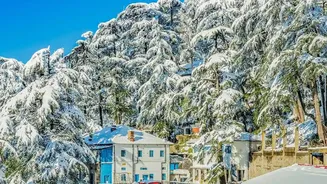
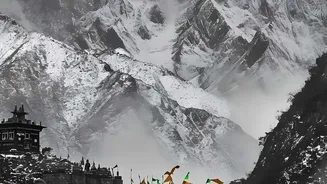
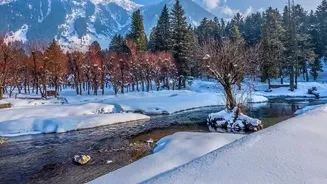
Before you book anything, understand what 'winter' truly means in your chosen destination. A snowy landscape on Instagram doesn't show the whole picture. Major highways like the Manali-Leh road often close by early December due to treacherous ice and snow,
making access to areas like Spiti or Ladakh dependent on alternative routes or flights. Even in accessible towns like Manali, temperatures can drop below minus 5°C, leading to black ice on local roads. Unpredictable weather can also lead to a lack of snow, as has been seen in recent years in popular spots like Gulmarg, causing disappointment for those expecting a white wonderland. Check recent weather patterns and road status updates from official sources like the Border Roads Organisation before finalising your itinerary.
Choose Your Shelter Wisely
A beautiful hotel with a great view is useless if its pipes are frozen. When booking accommodation, look for recent winter reviews that specifically mention heating, running hot water, and insulation. In the extreme cold of the high Himalayas, some lodges may have limited amenities, and it's better to know this in advance. Don’t just rely on the booking portal's description; call the property directly to confirm their winter facilities. Ask about backup power, as electricity can be unreliable. Booking in advance is crucial as many places close for the season, and the best-equipped ones fill up fast. A well-chosen stay is your warm, comfortable refuge from the elements.
Plan for Transport Delays
Winter travel in the mountains requires patience and flexibility. Flights to high-altitude airports like Leh are often delayed or cancelled due to weather. Road travel is susceptible to blockages from snowfall and landslides. The golden rule is to build buffer days into your schedule. Don’t plan a tight connection or an important meeting for the day after you're supposed to return. If you're driving or hiring a cab, confirm that the vehicle is equipped for winter conditions with a driver experienced in navigating icy roads. Rushing on slippery trails or roads is a significant cause of accidents.
Navigate Permits and Paperwork
Many stunning areas in the Indian Himalayas, especially near international borders, are designated as protected or restricted zones. Visiting places like Nubra Valley, Pangong Tso, and Tso Moriri in Ladakh requires a permit. For Indian nationals, this is the Inner Line Permit (ILP), and for foreign nationals, it's the Protected Area Permit (PAP). While Spiti Valley does not require a permit for Indian citizens, foreigners need a PAP and must travel in a group of at least two. These permits can often be arranged online or through registered travel agents in Leh or Manali. Ensure you have photocopies of your ID and visa, as these are required for the application. Always verify the latest rules before your trip, as regulations can change.
Prioritise Health and Acclimatisation
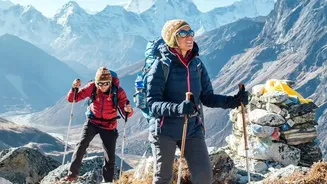
Altitude sickness, or Acute Mountain Sickness (AMS), is a serious risk that can affect anyone travelling above 2,500 metres (8,200 feet). Symptoms like headaches, nausea, and dizziness should never be ignored. The key to prevention is gradual acclimatisation—allowing your body time to adjust to the lower oxygen levels. Plan your itinerary to avoid rapid ascents, and include rest days. Medical guidelines suggest not increasing your sleeping altitude by more than 500 metres per day above 3,000 metres. Stay well-hydrated, avoid alcohol, and listen to your body. If symptoms worsen, the only cure is to descend to a lower altitude immediately. It's advisable to consult a doctor before your trip to discuss altitude sickness and any personal health concerns.
Vet Your Tour Operator
If you're booking a trek or a guided tour, the quality of your operator is your most important safety net. A cheap deal might seem attractive, but it could be the most expensive mistake you make. A reliable company will be registered with government authorities and have licensed, experienced local guides. Check for reviews and social proof, and don't be afraid to ask about their safety protocols, emergency plans, and what's included in the price to avoid hidden costs. A good operator will prioritise your safety, especially concerning acclimatisation and weather challenges, ensuring a smooth and secure experience.