




From Weight Loss to Building Strength
For decades, the primary fitness goal for many Indians was subtraction: losing weight. Gyms were dominated by cardio equipment, and conversations revolved around crash diets and shedding kilos, often for a wedding or festival. But a significant philosophical
shift is underway. In 2026, the narrative is no longer just about looking thin; it's about feeling strong. The question has changed from “How much weight did you lose?” to “How much can you lift?”. This evolution reflects a deeper understanding of health, where the focus is on building a capable, resilient body for the long haul. Experts note that this trend, which gained momentum post-pandemic, is about addition—adding muscle, energy, and functional capability for everyday life.
The Science-Backed Longevity Movement
The growing popularity of strength training is heavily influenced by a greater awareness of its long-term health benefits. It's no longer seen as just for bodybuilders. People are training for their 80s, not just for the summer. This “longevity movement” prioritises metrics like bone density, joint health, and metabolic efficiency, all of which are significantly improved by resistance training. For women, in particular, strength training is crucial for slowing the muscle and bone density loss that accelerates after their mid-thirties. Similarly, older adults are one of the fastest-growing demographics in gyms, embracing strength work to improve balance, combat age-related frailty, and maintain independence.
Women Leading the Charge
Perhaps the most powerful aspect of this trend is the way Indian women are embracing weightlifting. The old myth that lifting heavy makes women “bulky” is finally being dismantled. Social media, the success of female athletes, and a growing desire for empowerment have normalised strong, athletic bodies. Gyms that were once male-dominated now see near-equal participation from women, many of whom are moving from aerobics and Zumba to the weights section. This shift is also mental. For many women, achieving new personal records in the gym—like acing a pull-up or deadlifting a new weight—provides a tangible sense of control and accomplishment that boosts confidence far beyond the gym floor.
The Digital Dumbbell and Community Culture
Technology and social media have been major catalysts. Fitness influencers on platforms like Instagram and YouTube have made strength training more accessible and aspirational, sharing routines, nutrition tips, and their own progress. The visibility of top athletes like Virat Kohli and Neeraj Chopra incorporating strength work into their routines has also inspired millions. Beyond the digital world, fitness is becoming a social activity. Gyms are evolving into “third spaces”—a place between home and work for community and connection. Group strength circuits and fitness challenges are fostering a sense of camaraderie, making the journey feel less like a chore and more like a shared pursuit of a healthier lifestyle.
How to Get Started with Strength Training
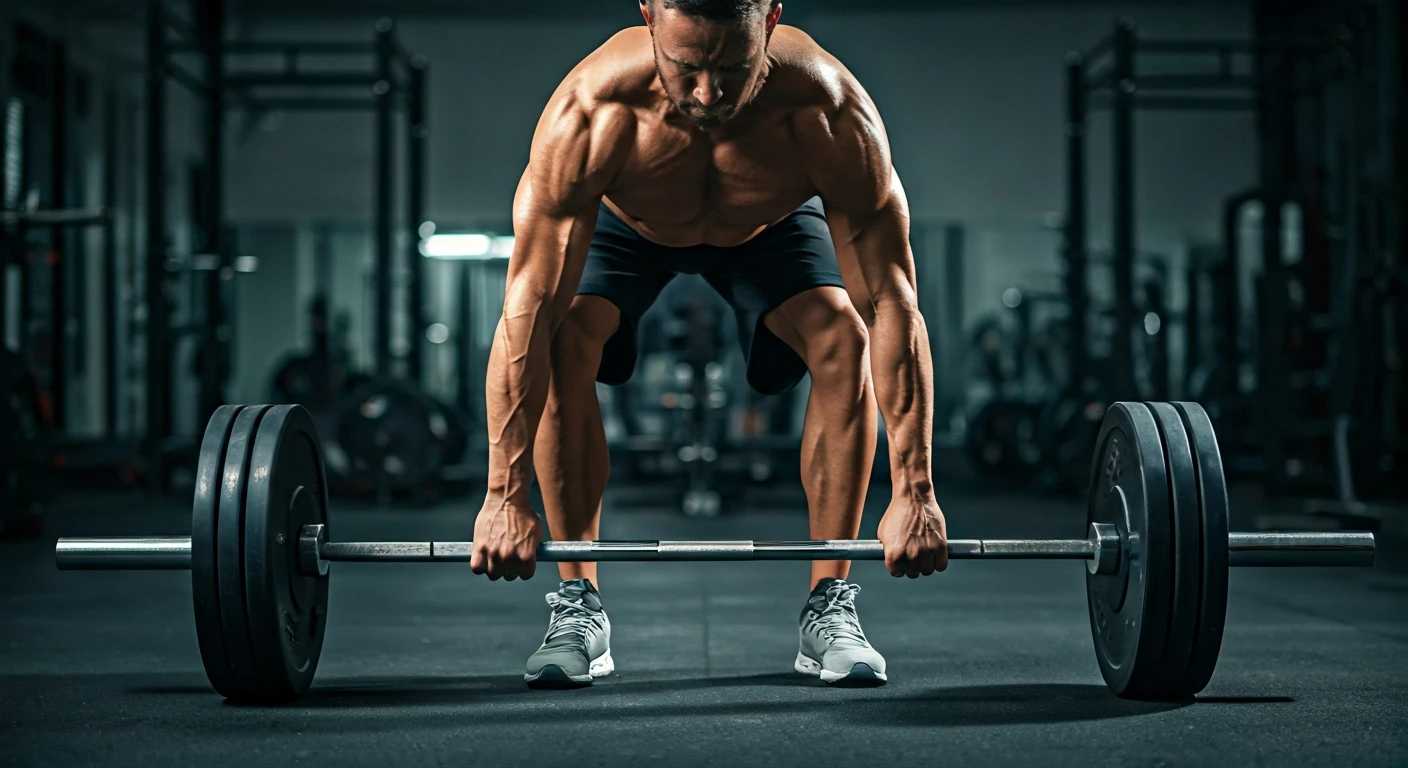
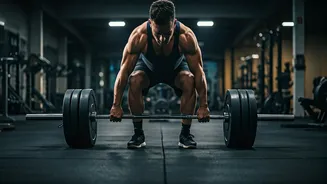
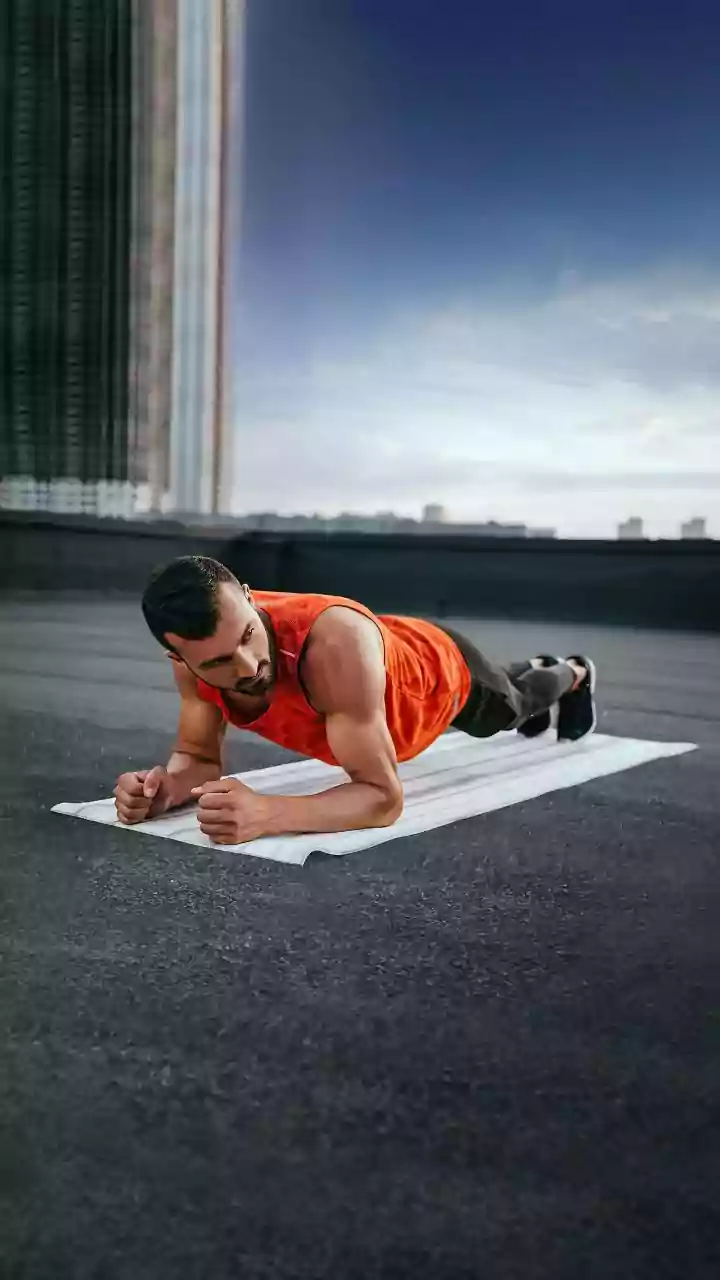
Feeling inspired to start your own strength journey? The key is to begin slowly and prioritise good form over heavy weights. Many gyms now offer introductory sessions with certified trainers who can guide you. Functional movements that mimic everyday life, like squats (sitting down), deadlifts (picking things up), and overhead presses, are a great starting point. Don’t be intimidated by the equipment; many routines can begin with just your body weight. The goal is progressive overload—gradually increasing the challenge as you get stronger. Most importantly, find a routine you enjoy and that fits your lifestyle, as consistency is the true secret to long-term success.