



A Modern Twist on a Kitchen Staple
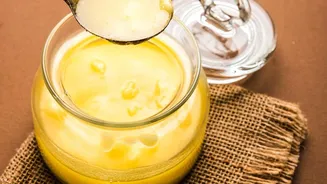
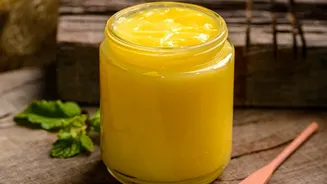
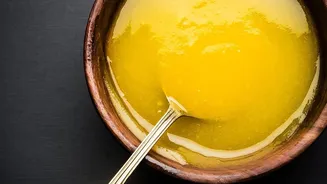
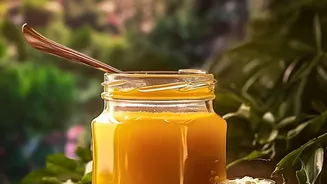
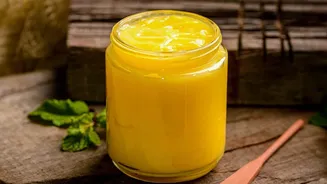
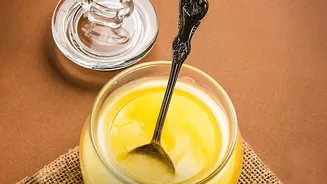
Ghee, the golden, nutty clarified butter, has been a cornerstone of Indian cooking for centuries, valued for its flavour, nutritional properties, and cultural significance. Now, a new iteration is finding its way into urban pantries: infused ghee. This
isn't a radical reinvention but rather a clever evolution. Infused ghee is simply traditional ghee that has been gently heated with aromatics like herbs, spices, or garlic, allowing their essential oils and flavours to meld with the fat. Think of it as a two-in-one ingredient that offers both a premium cooking medium and a layer of complex flavour, ready to use straight from the jar. Popular infusions range from classic Indian tadka spices to contemporary flavours like rosemary, chilli, and even vanilla.
The Science of a Superior Sizzle
One of the most significant advantages of ghee is its high smoke point. An oil's smoke point is the temperature at which it stops shimmering and starts to burn, producing smoke and harmful compounds. Ghee’s smoke point is exceptionally high, typically around 250°C (482°F). This is substantially higher than butter, which begins to burn at around 177°C (350°F) because of its milk solids. The clarification process that creates ghee removes these milk solids, resulting in a more stable fat. This stability makes ghee ideal for high-heat cooking methods like searing, frying, and stir-frying without the risk of it breaking down and imparting a bitter, burnt taste to your food.
Where Flavour Meets High-Heat Function
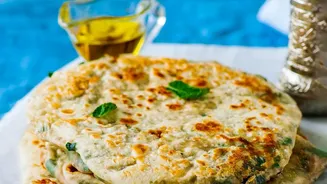
The magic of infused ghee lies in combining this high-heat stability with built-in flavour. Urban cooks, often juggling busy schedules, appreciate the efficiency. Instead of chopping garlic or measuring out spices for a quick stir-fry, they can use a spoonful of garlic-infused or spice-infused ghee to achieve the same result. The high smoke point ensures that even delicate herbal notes are not destroyed by the heat. This combination allows for a perfect sear on paneer or chicken while simultaneously bathing it in the taste of rosemary or chilli. It simplifies the process of creating flavourful dishes, from tadka for dal to roasting vegetables, without compromising on the quality of the cooking fat or the final taste.
The Appeal of Tradition and Wellness
The movement towards infused ghee is also fuelled by a renewed interest in traditional wellness practices. In Ayurveda, ghee is considered a 'sattvic' food that promotes good health and is often used as a carrier for herbs to improve their absorption. Modern brands are tapping into this ancient wisdom, creating ghees infused with Ayurvedic herbs like turmeric, ashwagandha, and brahmi. For the health-conscious urban consumer, this connects a modern culinary trend with holistic well-being. Ghee is also rich in fat-soluble vitamins like A, D, E, and K, and is free of lactose and casein, making it suitable for many with dairy sensitivities. While it should be used in moderation, its profile as a natural, less-processed fat is a significant draw.
A Symbol of the Evolving Indian Palate
Ultimately, the rise of infused ghee reflects the confident, experimental nature of the modern Indian culinary enthusiast. It represents a desire to honour traditional ingredients while adapting them for a contemporary lifestyle. It bridges the gap between the comforting flavours of a grandmother’s kitchen and the global tastes explored in urban cafes and restaurants. Whether it's a garlic-rosemary ghee for pasta or a cardamom-infused ghee for pancakes, this versatile fat provides a canvas for creativity. It’s a convenient, flavourful, and functional ingredient that feels both familiar and new, making it a true essential for the adventurous home cook.