




What Exactly Is Sumac?
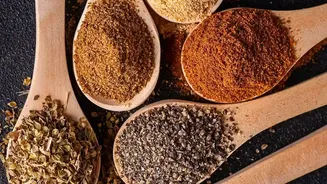
Sumac is a coarse powder made from the dried and ground berries of the wild sumac bush, specifically the Rhus coriaria variety. It has been used for thousands of years, especially in Middle Eastern and Mediterranean cuisine, not just for its flavour but
also for its beautiful colour. The plant grows wild across regions like Sicily, Turkey, and Iran. When you see its deep red hue, it’s a promise of the zesty flavour to come. It’s important to note that culinary sumac is completely different from poison sumac, which bears white berries and is not used in food.
A Uniquely Tangy Flavor
The taste of sumac is best described as tangy, tart, and citrusy, with a hint of fruitiness. Think of the brightness of lemon juice or zest, but without the same level of sharp acidity or added liquid. This makes it incredibly versatile. It provides a sour punch that can cut through rich flavours and brighten up otherwise simple ingredients. Its flavour is complex—less sharp than vinegar and with an earthy depth that lemon doesn't have, making it a unique tool in the kitchen for adding a balanced sour note.
The Perfect Chickpea Salad Upgrade
A simple chickpea salad is perhaps the best entry point for using sumac. Its tangy flavour is a natural partner for the earthy creaminess of chickpeas. A popular technique involves massaging thinly sliced red onions with sumac and a bit of salt. This not only seasons the onions but also tames their sharp bite, making them pleasantly tart. Combine these sumac onions with chickpeas, fresh parsley, tomatoes, and a simple olive oil and lemon dressing for a refreshing and substantial salad. The sumac adds a layer of complexity that transforms the dish from basic to brilliant.
Beyond the Salad Bowl
While it's a star in salads, sumac’s utility extends far beyond. It’s a fantastic finishing spice, sprinkled over dishes just before serving to add a final pop of flavour and colour. Try it on hummus, baba ghanoush, or even avocado toast. It’s also an excellent addition to dry rubs and marinades. Because it adds acidity without moisture, it’s perfect for seasoning vegetables before roasting. A generous sprinkle on cauliflower florets, carrots, or sweet potato wedges with a bit of olive oil and salt before they go into the oven is a game-changer.
Elevate Dips, Dressings, and Grains
Incorporate sumac into your homemade dressings and dips to give them a Middle Eastern flair. Whisk it into a basic vinaigrette to lend a citrusy note without watering it down. It’s also wonderful stirred into yogurt-based sauces or labneh, often served as a cool counterpoint to spicy or rich dishes. For an easy flavour boost, simply sprinkle sumac over a bowl of rice, quinoa, or lentils. It’s also a key ingredient in the popular spice blend za'atar, which often combines sumac with thyme, sesame seeds, and salt. You can even use it in desserts, as its tartness pairs surprisingly well with fruits like strawberries.