

Loktak Lake, Manipur: The Floating Wonder
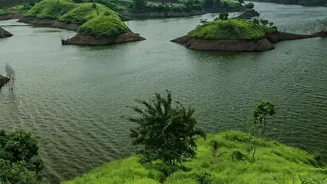
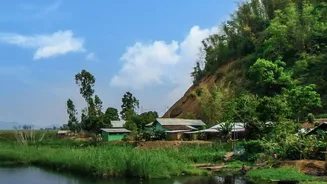
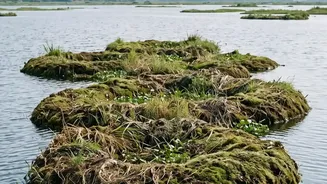
Loktak Lake is unlike any other in the world. Located in Manipur, it's famous for its 'phumdis'—large, circular masses of vegetation, soil, and organic matter that float on the surface. Some are small, while others are large enough to support fishing
huts. The largest of these phumdis is home to the Keibul Lamjao National Park, the world's only floating national park. This sanctuary is the last natural habitat of the endangered Sangai, or dancing deer, which can often be spotted in the early morning mist. A boat ride through the maze of phumdis offers a surreal experience, watching local fishermen glide by on their narrow boats. For a truly immersive stay, you can even spend a night in a homestay built on one of these floating islands. The best time to visit is between October and March when the weather is pleasant and the skies are clear.
Gurudongmar Lake, Sikkim: A Sacred Spectacle
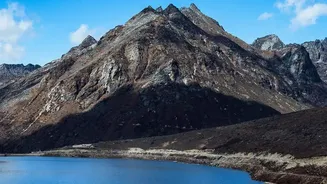
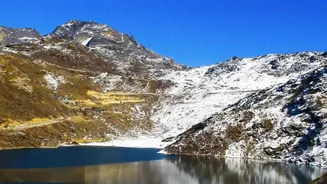
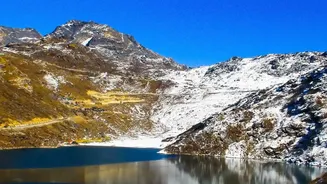
Set at a breathtaking altitude of over 17,000 feet, Gurudongmar Lake in North Sikkim is one of the highest lakes in the world. Surrounded by stark, snow-dusted mountains, its turquoise water is a startling splash of colour in the barren landscape. The lake is considered sacred by Buddhists, Hindus, and Sikhs. Legend has it that a portion of the lake never freezes, even in the harshest winters, believed to be a blessing to provide drinking water to the local people. The journey itself is an adventure, requiring an early morning start from the village of Lachen to navigate the challenging mountain roads. Due to its proximity to the Indo-China border, a permit is required for Indian tourists, and the area is not accessible to foreign nationals. The best time for clear skies and accessible roads is from April to June and again from October to November.
Tsomgo Lake, Sikkim: The Glacial Jewel
Just a few hours' drive from Gangtok, Tsomgo Lake, also known as Changu Lake, is a glacial wonder that captivates visitors with its seasonal transformations. Located at an high altitude of about 12,310 feet, the lake is frozen solid in winter, creating a snowy wonderland. As spring arrives, the ice melts to reveal stunning emerald-blue water, and the surrounding hills burst into colour with blooming rhododendrons and other alpine flowers. The lake is sacred to the local Sikkimese people, who believe its changing colours can predict the future. Visitors can enjoy a ride on colourfully decorated yaks along the lake's periphery or take in the panoramic views from a nearby ropeway. A trip to Tsomgo is often combined with a visit to the Baba Harbhajan Singh Memorial, a shrine dedicated to a revered Indian army soldier.
Umiam Lake, Meghalaya: The Reservoir of Beauty
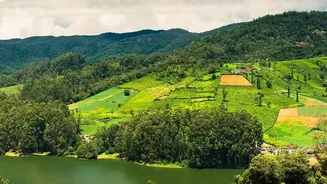
Often the first stunning vista that greets travellers heading to Shillong, Umiam Lake is a vast man-made reservoir that feels entirely natural. Known locally as Barapani, or 'big water', it was formed in the early 1960s by damming the Umiam River. Today, it's a popular recreational hub surrounded by lush Khasi hills. The lake's sprawling waters are perfect for a range of activities, including boating, kayaking, water skiing, and paddle-boarding. Several resorts and viewpoints dot its shores, offering serene spots for picnics and photography. Unlike the high-altitude lakes of Sikkim and Arunachal, Umiam is accessible year-round and provides a more relaxed, activity-filled lakeside experience, making it a favourite weekend getaway for locals and tourists alike.
Sela Lake, Arunachal Pradesh: Paradise at the Pass
Located near the formidable Sela Pass on the route to Tawang, Sela Lake is often called 'Paradise Lake' for its ethereal beauty. At an altitude of 13,700 feet, this glacial lake is one of 101 sacred lakes in the region for the local Monpa tribe and is revered in Tibetan Buddhism. Surrounded by rugged, snow-clad peaks, its crystal-clear water perfectly reflects the sky and mountains, creating a breathtaking panorama. During winter, the lake freezes completely, turning the landscape into a pristine white canvas. The journey to Sela Lake is as spectacular as the destination itself, offering dramatic views of the Eastern Himalayas. A visit here is a moment of quiet contemplation, a chance to connect with nature at its most raw and powerful.