



More Than a Catwalk
This season, the question was not just what the models were wearing, but where the clothes were taking you. Fashion presentations evolved into multi-sensory journeys, a trend that kicked off before the main event in Delhi even began. Anamika Khanna set
the tone by staging her opening show, 'Moonlit Palace', at the historic Taj Falaknuma Palace in Hyderabad—a first for India Couture Week. The choice was a statement in itself: Indian couture belongs in its own architectural heritage, not just a tent. Guests witnessed models move through candlelit corridors, the regal setting becoming an integral part of the collection's story about a 'lost civilisation'. Tarun Tahiliani took a similar path, forgoing a traditional runway for an immersive, multi-room exhibition at Bikaner House, allowing the audience to walk through and absorb the details of his craft at their own pace. These weren't just shows; they were destinations.
Designers as Modern Storytellers
Across the week, designers embraced their roles as narrators, using collections to tell vivid stories. JJ Valaya's collection, 'SIDDI', was inspired by the Siddi community of India, translating themes of migration and cultural exchange into his signature layered narratives. Falguni Shane Peacock’s 'Le Grand Voyage' was a whirlwind tour of their global travels, with Byzantine mosaics, Parisian glamour, and the majesty of the Taj Mahal all finding their way onto intricately beaded jackets and gowns. Masaba Gupta, presenting her first-ever bridal couture line, used a soundscape starting with Sarojini Naidu's 1928 speech to frame her 'Chardi Kala' collection—an ode to eternal optimism rooted in Punjabi heritage. Even Rahul Mishra’s grand finale, 'Devi', felt like watching ancient stone sculptures from Indian mythology come to life, fresh from its debut at Paris Haute Couture Week. Each show was a self-contained world.
The Spectacle Did Not Eclipse the Craft
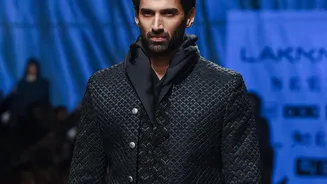
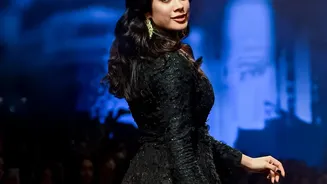
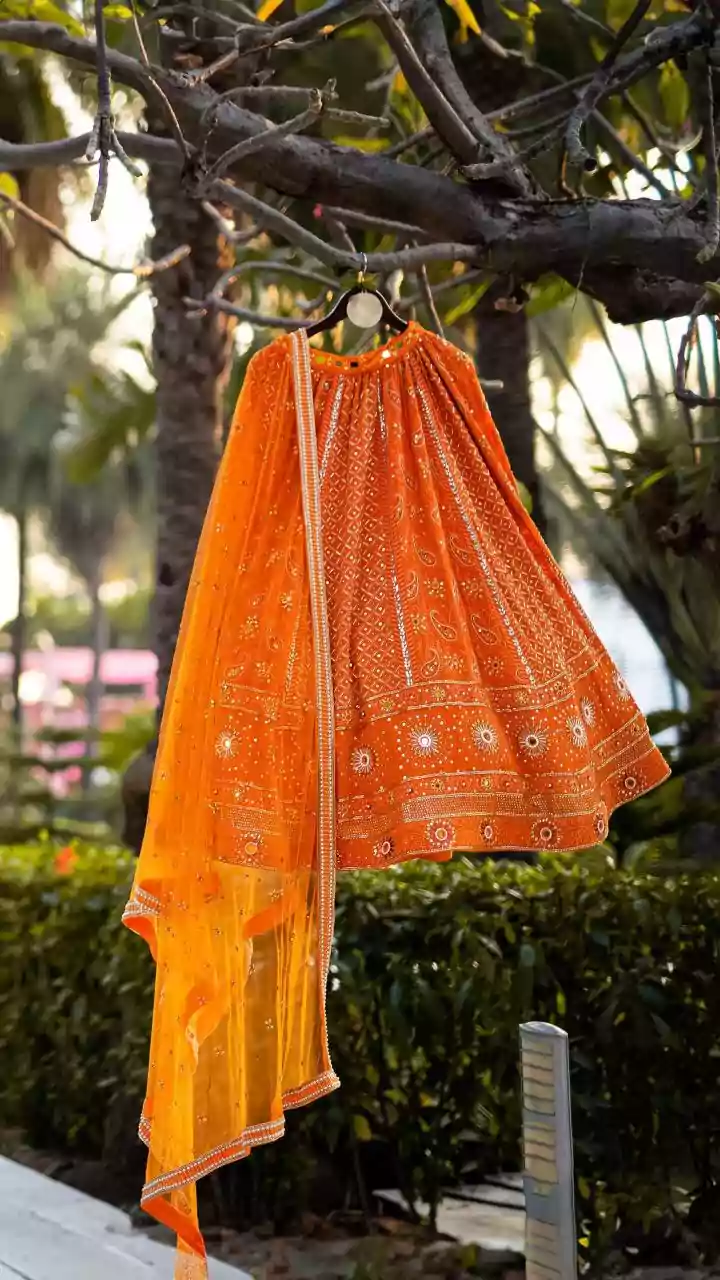
For all the theatricality, the core of couture—the painstaking detail—was more prominent than ever. The immersive settings and grand narratives served to highlight, not hide, the exceptional craftsmanship. This was a return to maximalism, but a sophisticated version built on the foundation of artisanry. Close-up, the stories continued in the stitches. Rahul Mishra’s mastery of embroidery turned garments into wearable art. JJ Valaya’s pieces showcased signature zardozi and aari work, while Dolly J’s 'BRĀHM' collection was a meditation on fine kashidakari embroidery and delicate jali work. Designers are increasingly balancing innovation with tradition, using modern drapes and sculptural silhouettes to give new life to centuries-old techniques like mirror work, hand beading, and appliqué. The consensus was clear: the spectacle is what draws you in, but the craft is what makes you stay.
Why Fashion Needs a Story
So, why the shift towards such experiential presentations? In a crowded market, a memorable story creates a deeper connection with the audience. It’s no longer enough to just see a beautiful lehenga; the modern consumer wants to understand its context, inspiration, and the hands that made it. Anamika Khanna noted her show was a celebration of the women artisans whose labour has preserved cultural narratives. This evolution also helps Indian couture define itself on a global stage, moving beyond craft as the principal narrative to build distinctive brand houses with original thought. The goal is to create collectible, meaningful pieces you rewear long after the wedding, where every stitch is part of a larger story of skill and empowerment. By making fashion an experience, designers are ensuring that the clothes—and the culture they represent—are not just seen, but felt.