



The Trouble with Traditional Treats
For decades, the foundation of most delicious bakery items—from fluffy cakes to crisp cookies and soft breads—has been refined flour, or maida. While it provides a desirable texture, the refining process strips the wheat grain of its most nutritious parts:
the bran and the germ. This leaves behind a fine, starchy powder that is low in dietary fiber, vitamins, and minerals. Foods made with refined flour can cause rapid spikes in blood sugar and often lack the nutrients to keep you feeling full and satisfied, contributing to what many consider empty calories. As health consciousness grows, consumers are increasingly seeking alternatives that don't force a compromise between taste and well-being.
Enter the Mighty Millets
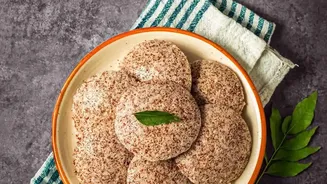
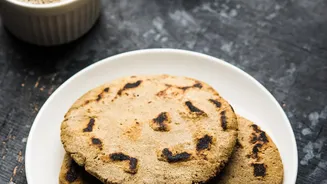
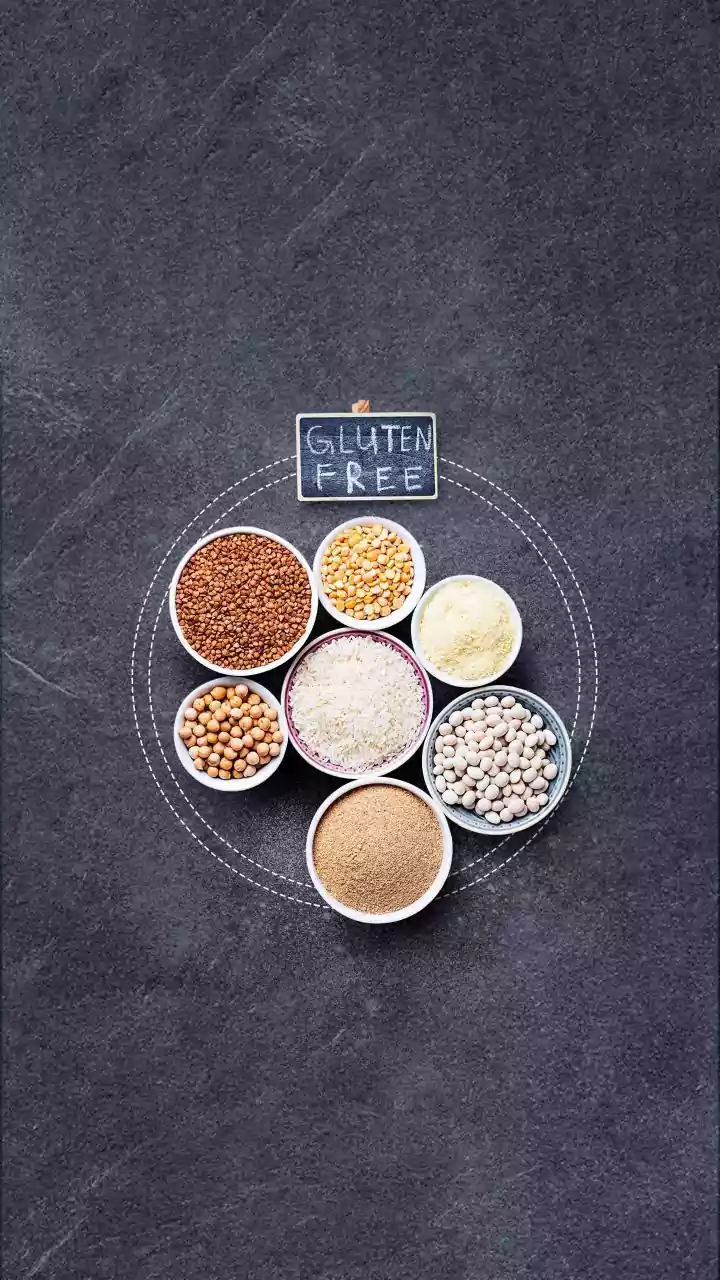
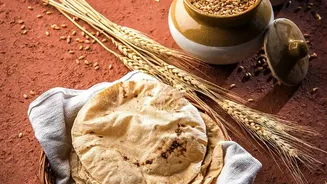
Millets, a family of ancient grains including ragi (finger millet), jowar (sorghum), and bajra (pearl millet), are making a powerful comeback. Once staples in traditional Indian diets, these grains are now being celebrated for their impressive nutritional profiles. Unlike refined flour, millets are whole grains that are naturally rich in dietary fiber, which aids digestion and promotes a feeling of fullness. They are also packed with essential minerals like iron, calcium, magnesium, and phosphorus. Furthermore, most millets are naturally gluten-free, making them an excellent choice for individuals with gluten sensitivities or celiac disease.
The Fiber Factor: A Deeper Dive
The standout benefit of incorporating millets into baked goods is their high fiber content. A serving of millet flour can contain significantly more dietary fiber than an equivalent amount of refined flour. This fiber plays a crucial role in digestive health, helping to prevent constipation and maintain a healthy gut microbiome. Moreover, fiber slows down the absorption of sugar into the bloodstream, which helps in managing blood sugar levels and avoiding the sharp energy crashes associated with sugary, low-fiber treats. This sustained energy release makes millet-based snacks a smarter choice for both adults and children.
Baking Innovation: More Than Just Healthy
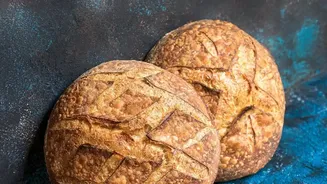
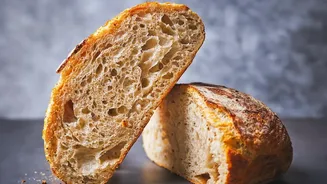
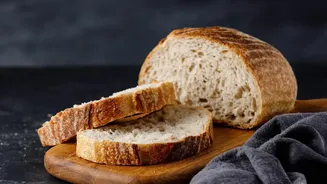
The real game-changer is how bakers are innovating to make millet-based treats genuinely delicious. Baking with millet flour presents challenges; its lack of gluten can result in a denser, crumblier texture. However, modern bakers and food companies are overcoming this by blending different millet flours with other flours like almond or oat, and using natural binding agents like flaxseed or yogurt. The result? You can now find an exciting range of products like rich and fudgy ragi brownies, crisp jowar cookies, and even soft millet breads that rival their maida-based counterparts in taste and texture. These innovations are turning healthy eating from a chore into a delight.
What to Look for on the Shelves
The shift towards millets is becoming mainstream. Major brands like Britannia have launched millet breads with zero added maida, making these healthier options widely accessible. Artisan bakers and home chefs are crafting everything from millet cupcakes to fusion desserts that blend traditional Indian flavours like cardamom and jaggery with modern baking techniques. When shopping, look for products that clearly list millets like ragi, jowar, or bajra as a primary ingredient. These treats often use natural sweeteners like jaggery or dates instead of refined sugar, further boosting their health credentials. This growing movement, supported by government initiatives to promote millets, ensures that you no longer have to sacrifice nutrition for flavour.