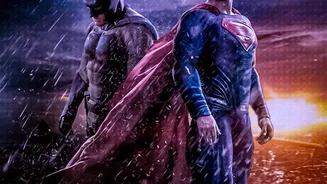







Superman (1978): You'll Believe a Film Can Fly
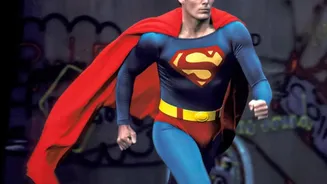
Before 1978, superhero adaptations were largely relegated to low-budget television shows and serials. The dominant cinematic convention was that these characters were for children, and their stories were campy and simplistic. Richard Donner’s 'Superman'
shattered that perception with its then-staggering budget, earnest tone, and groundbreaking special effects. The film’s tagline, “You’ll believe a man can fly,” wasn’t just marketing; it was a promise fulfilled. By treating its source material with reverence and ambition, 'Superman' proved that a comic book movie could be a sweeping, epic blockbuster that appealed to all ages. It established the template for the modern superhero origin story and gave Hollywood the confidence to invest serious artistic and financial resources into the genre, making it the bedrock upon which all subsequent superhero cinema was built.
X-Men (2000): Grounding the Fantastic
By the turn of the millennium, the superhero genre was still dominated by the larger-than-life, solo hero archetype. Director Bryan Singer’s 'X-Men' broke this mold by presenting a team of heroes whose powers were a source of fear and persecution. Shifting the focus from a single icon to a complex ensemble, the film explored themes of prejudice and belonging, using mutant abilities as a powerful allegory for the civil rights struggle. It traded colourful spandex for sleek, black leather and adopted a more grounded, serious tone. 'X-Men' demonstrated that audiences were ready for more nuanced superhero narratives and that lesser-known ensemble comics could be adapted successfully. This paved the way not only for its own long-running franchise but also for the team-centric blockbusters that would later dominate the box office.
The Dark Knight (2008): The Superhero as Crime Epic
While 'Batman Begins' resurrected the character, it was Christopher Nolan’s 'The Dark Knight' that elevated the entire genre into the realm of prestige cinema. It fundamentally challenged the convention that a superhero film had to feel like one. Instead, Nolan crafted a taut, sprawling crime thriller that just happened to feature a man in a bat suit. The film’s gritty realism, complex moral questions, and Heath Ledger's posthumously Oscar-winning performance as the Joker were unlike anything seen in the genre before. 'The Dark Knight' proved that these stories could be vehicles for serious dramatic art, capable of garnering critical acclaim and awards recognition typically reserved for dramas. It forced audiences, critics, and the industry to take comic book movies seriously as a powerful filmmaking medium.
The Avengers (2012): Assembling a New Business Model
Before 2012, the idea of a “cinematic universe” was a high-concept gamble. Hollywood was built on sequels and franchises, but the notion of weaving multiple, separate film series into a single, crossover event film was largely untested. 'The Avengers' was the explosive culmination of Marvel Studios' ambitious plan. The film’s unprecedented success didn't just break box office records; it shattered the entire studio business model. It proved that audiences would enthusiastically follow interconnected stories across years of releases, turning moviegoing into a serialized, multi-film experience. After 'The Avengers', nearly every major studio scrambled to build its own shared universe, a testament to how profoundly this single film altered the landscape of blockbuster production and transformed global fan culture into a collective, ongoing narrative journey.
Logan (2017): The Comic Book Movie Grows Up
For years, the major superhero franchises operated within the confines of a PG-13 rating to maximize audience reach. The convention was that adult-oriented, R-rated comic book stories were a niche, financially risky prospect. Following the success of 'Deadpool', James Mangold's 'Logan' took this a step further, proving that an R-rated superhero film could also be a poignant, character-driven drama. Stripping away the costumes and global threats, 'Logan' presented a raw, gritty, and deeply human story about aging, legacy, and sacrifice, styled as a modern Western. Its powerful screenplay earned an Academy Award nomination, a rarity for the genre, cementing the idea that superhero narratives could be intensely personal, thematically mature, and free from the spectacle-driven formula. It expanded the very definition of what a mainstream comic book movie could be.