





Breaking Down the Numbers
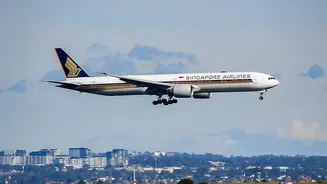
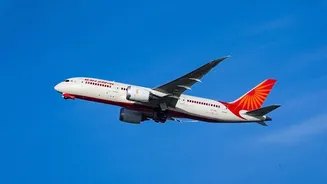
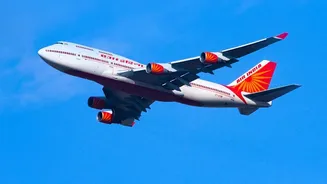
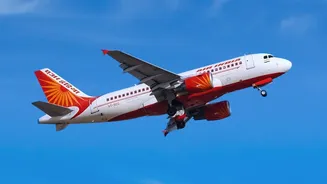
For the first half of the 2027 fiscal year, covering April to September 2026, Air India is estimated to have incurred a loss of around ₹10,500 crore. This figure was calculated based on the financial disclosures of Singapore Airlines (SIA), which holds
a 25.1% stake in the newly merged Air India entity following the integration of Vistara. While still a substantial number, it represents an improvement, as the loss is about 16% lower than the ₹12,500 crore loss estimated for the same period last year. This data comes from SIA's reporting, where it records its share of the Indian carrier's losses. For this period, SIA's share of the loss amounted to approximately ₹2,640 crore.
What is 'Carrying Value'?
The headline's most confusing term is 'carrying value'. In simple terms, this is the value of an asset as recorded on a company's balance sheet. Think of it as the official book value. When Singapore Airlines exchanged its 49% stake in Vistara for a 25.1% stake in the larger, merged Air India, that new stake was assigned a value on the books. According to SIA's financial statements, the carrying value of its Air India investment fell significantly, from S$1.13 billion at the end of March 2026 to around S$800 million by September 30, 2026. This reduction of over S$334 million is what caught the market's attention.
Explaining the 'Paper Loss'
The drop in carrying value is what accountants call an 'impairment'. An asset is impaired when its book value is higher than what it's now considered to be worth, based on future earnings potential or market conditions. When this happens, companies must perform a 'write-down', which is recorded as a loss on the income statement. Crucially, this is a non-cash charge. This means no actual cash left the company's bank account because of this adjustment. It is an accounting rule designed to ensure that the balance sheet reflects a more realistic value of assets. The decline reflects SIA's share of Air India's ongoing losses as the airline invests heavily in its transformation.
A Sign of Trouble or Transformation?
An accounting loss of this nature is not necessarily a sign of operational failure. In fact, it's expected during a massive, multi-year turnaround like the one Air India is undergoing. The Tata Group is investing enormous sums in new aircraft, cabin refurbishments, technology, and training. These expenses, combined with the complexities of merging two large airlines (Air India and Vistara), are bound to create losses in the initial years. Analysts and investors are often encouraged to look past these non-cash charges to assess the underlying health of the business. Key metrics to watch include revenue growth, passenger load factors, and market share, which show whether the core business is moving in the right direction.
The Bigger Picture for Air India
Despite the paper loss, both the Tata Group and Singapore Airlines remain publicly committed to Air India's long-term success. SIA sees its stake as a strategic pillar to gain a strong foothold in India's rapidly growing aviation market. The merger has created a formidable entity in Indian aviation, second only to IndiGo in domestic market share. The combined airline group operates a large fleet, serving dozens of domestic and international destinations. While the path to profitability is expected to be long and challenging, the leadership's focus remains on foundational improvements. The current losses are viewed as a necessary investment to build a sustainable and world-class airline for the future.