
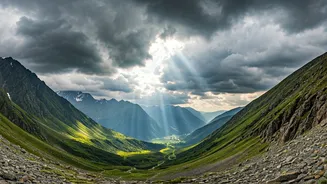


Beyond the Paro-Thimphu Loop
For years, a trip to Bhutan for most Indians meant a familiar circuit: the capital Thimphu, the scenic valley of Paro, and the historic Punakha Dzong. While breathtaking, this loop only scratches the surface of what the Himalayan kingdom offers. Now,
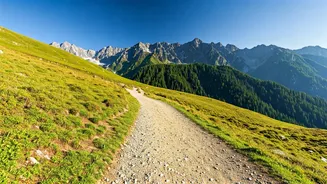
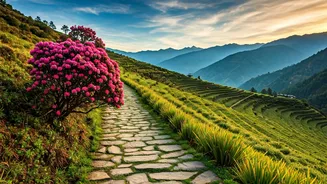
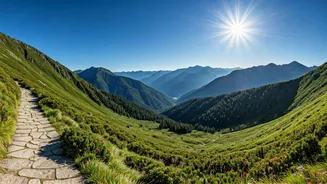
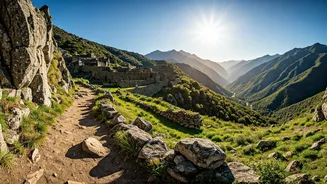
a growing number of intrepid travellers are venturing onto Bhutan’s 'cultural trails' — ancient pathways that have connected the country’s remote communities for centuries. The star of this trend is the recently revived Trans Bhutan Trail. Spanning over 400 kilometres from Haa in the west to Trashigang in the east, this historic trail was once the only way to travel across the country, used by monks, messengers, and merchants. After falling into disuse for 60 years, it was meticulously restored and reopened in 2022, offering a walking experience through the very heart of Bhutanese culture and wilderness.
The Search for Authentic Experiences
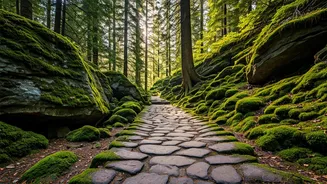
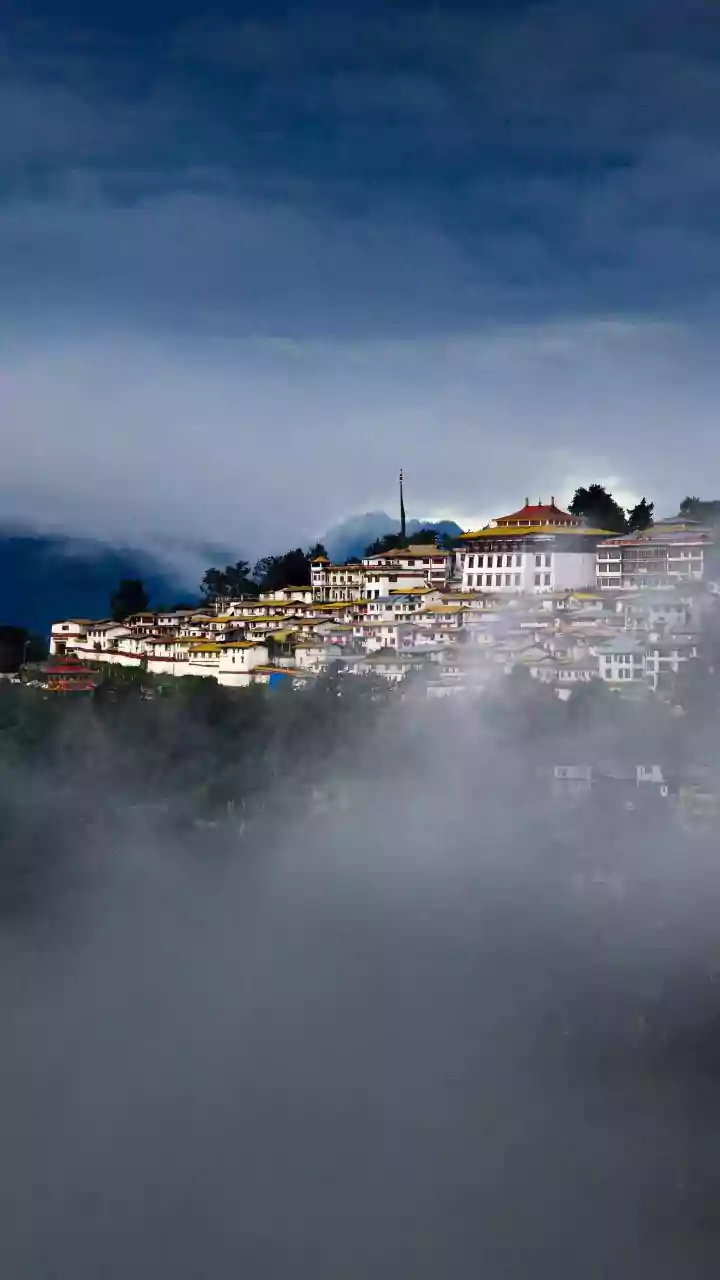
So why the sudden buzz? The trend isn't just about logging kilometres; it’s about a fundamental shift in what travellers want. The pandemic recalibrated our desire for travel, pushing many to seek out slower, more meaningful, and immersive journeys over quick sightseeing trips. These trails deliver exactly that. Instead of checking off sights from a list, hikers walk through pristine forests, visit remote monasteries that see few outsiders, and stay in village homestays or purpose-built campsites. The 'virality' on social media isn't just driven by stunning mountain vistas. It's powered by stories of genuine human connection — sharing a cup of butter tea with a local family, learning about ancient traditions from a guide, or the simple, profound silence of the mountains. This is slow travel at its best, a narrative of personal challenge and cultural discovery that resonates deeply with the modern backpacker ethos.
A Perfect Match for Indian Adventurers
This new wave of exploration has found a particularly enthusiastic audience in India. Proximity and long-standing diplomatic ties have always made Bhutan an accessible and friendly destination for Indians. While Bhutan’s tourism policy requires most international tourists to pay a substantial daily Sustainable Development Fee (SDF), recent policy adjustments and the inherent value of these trail experiences are proving compelling. For the Indian backpacker community, which has grown more adventurous and well-funded over the last decade, these trails offer the perfect combination of challenge, culture, and exclusivity. It's a step up from a weekend trek in the Himalayas, offering a curated yet authentic deep-dive into a culture that is both familiar in its spiritual roots and fascinatingly unique. The trails offer a bragging-rights adventure that is physically close to home but feels a world away.
What to Expect on the Trail
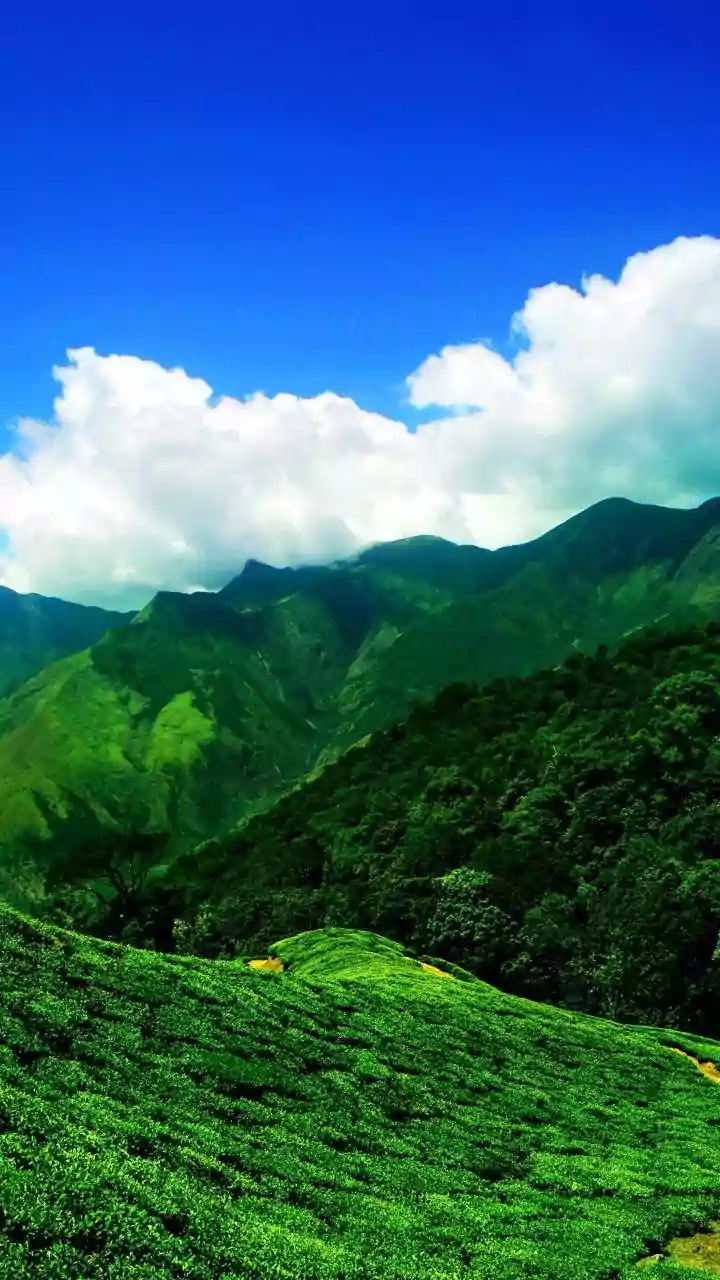
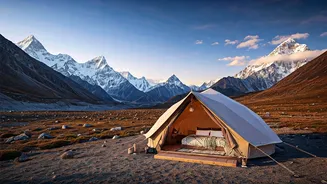
Thinking of lacing up your hiking boots? Be prepared for an organised adventure. Due to Bhutan's conservation policies, independent, unguided trekking on these major trails isn't the norm. You'll need to go through a licensed tour operator, which arranges for guides, porters, accommodation, and permits. This structure ensures that tourism is sustainable and benefits local communities directly. A typical day involves 4-6 hours of walking through varied terrain, from lush rhododendron forests to high mountain passes. The evenings are spent recuperating, either in charmingly rustic homestays or comfortable campsites under a blanket of stars. It’s a chance to disconnect from the digital world and reconnect with nature and yourself. While sections of the Trans Bhutan Trail can be challenging, there are itineraries available for all fitness levels, from one-day hikes to the full, month-long traverse.