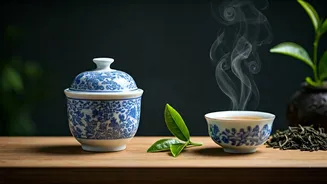







From Habit to Ritual
Many of us grab the most familiar box off the shelf, but the true joy of tea begins with a thoughtful choice. Slowing down turns a simple purchase into a sensory experience and an act of self-care. It’s the difference between merely drinking tea and truly
appreciating it. When you deliberately select your leaves, you’re not just choosing a beverage; you’re setting an intention for a moment of calm and presence. This mindful selection process connects you to the tea's journey—from its origin to your cup—and significantly enhances the flavour and aroma you ultimately experience. It’s about honouring the craft behind the leaves and the quiet moment you’re creating for yourself.
Know Your True Teas
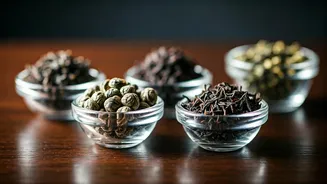
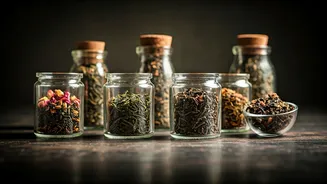
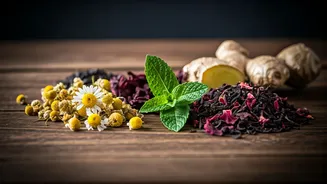
All “true” teas come from the same plant, Camellia sinensis. The vast differences in flavour, colour, and aroma come from how the leaves are processed. Understanding the main categories is the first step. Black tea is fully oxidized, giving it a dark colour and robust flavour, making it a morning favourite. Green tea is heated to prevent oxidation, which preserves its fresh, vegetal taste and green hue. White tea is the least processed, made from young buds, resulting in a delicate and subtle flavour. Oolong tea sits between green and black, as it is partially oxidized, offering a wide spectrum of flavours from light and floral to dark and roasted. Finally, herbal infusions like chamomile or mint are not true teas but offer a world of caffeine-free flavours.
Let Your Senses Be Your Guide
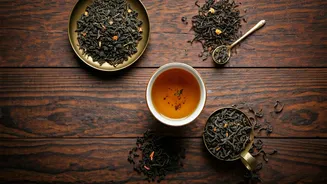
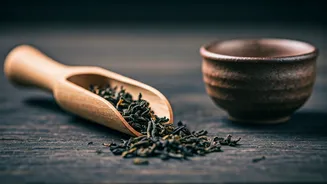
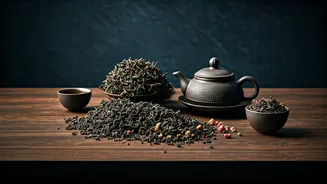
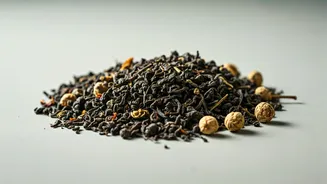
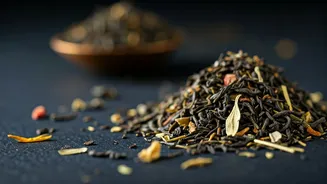
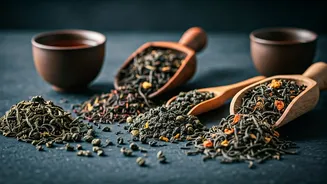
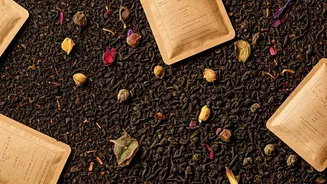
High-quality tea appeals to more than just your taste buds. Professional tasters start their evaluation long before steeping. First, look at the dry leaves. Whether you’re in a speciality shop or browsing online, examine their appearance. High-quality loose-leaf tea should consist of whole, intact leaves, not dust or small, broken bits often found in mass-market tea bags. The leaves should be uniform in size and shape, a sign of careful harvesting and processing. Next, trust your nose. A fresh, vibrant aroma is a key indicator of quality. If the tea smells dull, musty, or has no fragrance at all, it is likely stale. The scent should be natural and inviting, hinting at the flavours to come.
The Significance of Origin
Just as with wine, a tea’s place of origin, or “terroir,” has a profound impact on its flavour. Factors like soil, climate, and altitude contribute to a tea's unique character. A reputable seller will be transparent about where their tea comes from, often down to the specific garden or estate. This information is not just for marketing; it’s a guide to the tea's expected taste profile. For example, a black tea from Assam, India, is often malty and robust, while one from Darjeeling can be more delicate and floral. Chinese black teas are typically lighter still. Seeking out single-origin teas allows you to experience a pure expression of a specific region, offering a clean and authentic flavour experience.
Building Your Selection Ritual
You don’t need to be an expert to choose tea mindfully. Start by creating your own small ritual. If you’re in a store, ask to smell a few different varieties. Notice the differences in aroma and leaf appearance. If you’re buying online, look for vendors who provide detailed descriptions and clear photos of the dry leaves. Pay attention to harvest dates, especially for green and white teas, which are best when fresh. Start by purchasing small quantities of a few different teas that pique your interest. This allows you to explore without a huge commitment. Over time, you’ll develop a sharper intuition for what you enjoy, turning the selection process into a journey of discovery rather than a chore.