




The Big Picture: What's Changed?
After a period of uncertainty, the Thai government has confirmed that Indian passport holders can continue to enter Thailand without needing a visa in advance. This is a relief for the many Indian tourists who flock to the country. The catch, however,
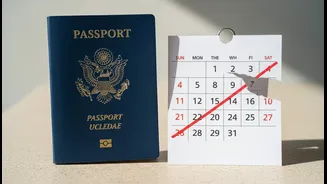
is a reduction in the length of that visa-free stay. The previous allowance of 60 days has been halved. Under the new rules, which were approved by the Thai Cabinet, visa-exempt visitors can now stay for a maximum of 30 days. This decision is part of a broader overhaul of Thailand's visa policies, which aims to standardize rules across 59 countries, including India. The new regulations will come into effect 15 days after they are published in the official Royal Gazette.
Why the Shorter Stay?
Thai authorities have explained that the policy shift is about balancing tourism promotion with national security. The more generous 60-day visa exemption, while good for tourism, was reportedly being misused by some individuals for activities other than tourism, such as working illegally or overstaying. By reverting to a 30-day limit, the government aims to curb these issues and ensure visitors are genuine tourists, a principle they call "one country, one entitlement". The change came after an earlier proposal to end visa-free access entirely led to a nearly 20% drop in tourist arrivals from India, a key market for Thailand. This revised policy is seen as a compromise that keeps the doors open for tourism while allowing for better immigration control.
How Does This Affect Your Holiday Plans?
For the vast majority of Indian tourists, this change will have little to no impact. According to Thai officials, the average stay for an Indian tourist is around seven to ten days, which fits comfortably within the new 30-day limit. If you're planning a typical one or two-week holiday to explore Bangkok's temples, relax on the beaches of Phuket, or go island-hopping in Krabi, your plans are completely safe. You can still book your flights and accommodation without the hassle of a pre-arranged visa. The streamlined process that has made Thailand a popular last-minute destination remains intact, ensuring it stays competitive with other Southeast Asian countries.
Need to Stay Longer Than 30 Days?
If your travel plans involve a longer stay, you will need to be more proactive. The 30-day visa-free entry is designed for short-term tourism. For those wishing to remain in Thailand beyond this period, the solution is to apply for a proper tourist visa before you travel. This can be done through the official Thai e-Visa system or by visiting a Thai Embassy or Consulate in India. Applying for a tourist visa in advance will grant you a longer initial stay, typically 60 days, and provides more certainty for extended trips. Some reports also mention that the 30-day stamp may be eligible for an extension within Thailand, though this often comes with a fee and is at the discretion of immigration officials. For digital nomads or remote workers, Thailand has also introduced a new 'Destination Thailand Visa' (DTV), which allows for much longer stays of up to 180 days at a time.