


Slovenia: The Fairytale Escape
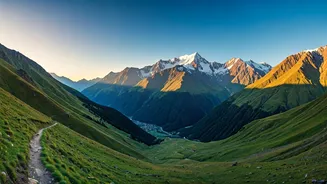
Often called 'Europe in miniature', Slovenia packs a stunning alpine punch in a small, affordable package. The Julian Alps, in the country's northwest, offer scenery that directly rivals Switzerland's. Head to Triglav National Park, where emerald-green
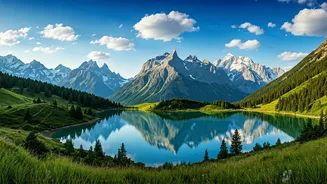
rivers cut through deep gorges and hiking trails wind up to spectacular viewpoints. The iconic image of Slovenia is Lake Bled, with its fairytale church on an island set against a backdrop of jagged peaks. For a more rustic and arguably more authentic experience, nearby Lake Bohinj is a tranquil paradise for hikers, kayakers, and wild swimmers. What makes it a great alternative? Accommodation, from family-run guesthouses (pensions) to campsites, is significantly cheaper than in Switzerland. A hearty mountain meal with a local beer won't require a second mortgage, and the compact nature of the country means you can travel from the capital, Ljubljana, to the heart of the mountains in just over an hour.
Austria: The Classic Alternative
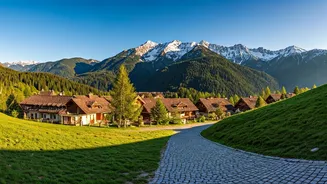
As Switzerland’s direct neighbour, Austria shares the same magnificent Alps but often with a more accessible price point. While high-end ski resorts like St. Anton can be pricey, vast regions like Tyrol and Salzkammergut are filled with affordable options. Imagine waking up in a flower-box-adorned wooden chalet in a village like Alpbach, officially voted 'Austria's Most Beautiful Village', for a fraction of what a similar stay in Grindelwald might cost. The hiking is world-class, with over 24,000 kilometres of marked trails in Tyrol alone. You can explore the dramatic Zillertal Valley or take a cable car up the Nordkette mountains directly from the city of Innsbruck for panoramic views. Austrian hospitality is legendary, and the culture of 'Gemütlichkeit' (a sense of cosiness and warmth) is palpable in the mountain huts (Hütten) where you can refuel on schnitzel and strudel without the shock of a Swiss bill.
Italy: The Dramatic Dolomites
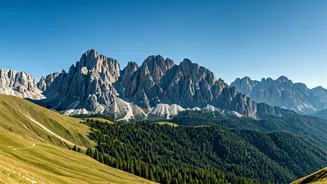
Cross the border south from Switzerland and you enter a different world of alpine beauty: the Italian Dolomites. A UNESCO World Heritage site, these mountains are famous for their unique pale, jagged peaks that glow pink and orange at sunrise and sunset—a phenomenon known as 'enrosadira'. This region offers a unique blend of Italian and Austrian culture, evident in the food, language, and architecture. Base yourself in a charming town like Ortisei in Val Gardena or Cortina d'Ampezzo (which can be pricey but has budget options nearby) to explore world-famous hiking circuits like the Tre Cime di Lavaredo. The network of mountain rifugi (huts) is extensive, offering hearty and delicious Italian food—think pasta and polenta instead of fondue—at very reasonable prices. You get all the drama of high-altitude trekking and via ferrata (iron paths) climbing, but with the added bonus of superior coffee and a generally more relaxed and affordable atmosphere.
Georgia: The Wild Caucasus
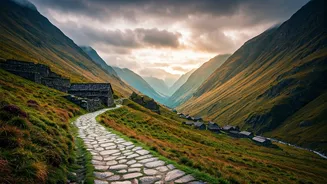
For the more adventurous traveller seeking truly epic mountains on a shoestring budget, look no further than the Caucasus range in Georgia. The Svaneti region, in particular, is often compared to the Alps for its colossal, snow-capped peaks and lush green valleys. What sets it apart are the medieval stone watchtowers that dot the landscape, giving villages like Mestia and Ushguli an otherworldly feel. This is raw, untamed nature. The hiking here is less manicured than in the Alps but offers incredible rewards, like the trek to the Chalaadi Glacier or the multi-day hike from Mestia to Ushguli, one of the highest continuously inhabited villages in Europe. The cost of travel in Georgia is a world away from Switzerland. You can stay in family-run guesthouses for a pittance, where your hosts will often feed you incredible multi-course traditional meals (a 'supra') for a nominal extra charge. It's a journey back in time, with alpine views that are every bit as breathtaking as their Swiss counterparts.