







The 'Free' Protection in Your Wallet
The term 'free' insurance can be misleading. This valuable protection is a complimentary feature bundled with many mid-tier and premium credit cards in India. While you don't pay a separate premium, the cost is factored into the card's annual fee. So,
if you're already paying for a card like an HDFC Bank Regalia or an ICICI Bank Sapphiro, you might be sitting on a goldmine of travel benefits you haven't activated. This isn't a basic feature on all cards; it's typically found on those designed for travel or a premium lifestyle, but it's more common than you might think. The first step is simple: check your card's website or call customer service to see what travel insurance benefits are included.
Decoding Flight Delay Coverage
A delayed flight is more than an annoyance; it can mean missed connections and extra costs. Many credit cards offer compensation for significant delays. This isn't for a 30-minute tardiness. Typically, coverage kicks in after a delay of several hours and reimburses you for reasonable expenses like meals, refreshments, and sometimes even a hotel room if the delay is overnight. The key is that the reason for the delay matters; issues like bad weather or air traffic control strikes might be excluded. To make a claim, you'll need proof from the airline detailing the length and reason for the delay, plus all your receipts.
The Lifesaver: Emergency Medical Protection
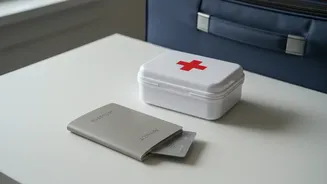
This is arguably the most valuable perk. Falling ill or having an accident in a foreign country can be terrifying and financially devastating, with healthcare costs in places like the US or Europe running into lakhs of rupees for even minor incidents. Premium credit cards often provide overseas emergency medical insurance that covers expenses for sudden illness or injury. This can include hospitalisation costs, doctor's visits, and in some cases, emergency medical evacuation. For example, the Priority Banking Visa Infinite Card from Standard Chartered offers overseas medical insurance worth thousands of dollars. This provides a crucial safety net, ensuring you can access care without facing crippling bills.
How to Actually Use This Benefit
Having the coverage is one thing; using it is another. A critical rule for most policies is that you must have paid for your flight tickets (and sometimes accommodation) with the specific credit card that holds the insurance. Partial payment through another method could invalidate your cover. If an incident occurs, contact the insurance provider's helpline immediately. They are often a third-party insurer partnered with your bank, so don't just call the regular bank hotline. You will need to submit a claim form along with extensive documentation, such as medical reports, boarding passes, flight tickets, and original bills. Be prepared and keep digital and physical copies of everything.
Watch Out for the Fine Print
Credit card travel insurance is powerful but has its limits. The most significant exclusion is often pre-existing medical conditions; if you have a chronic illness, it likely won't be covered. Another major blind spot is adventure sports. If you're planning on scuba diving, bungee jumping, or mountaineering, you will almost certainly need a separate, specialised insurance policy as these activities are typically excluded. Furthermore, coverage is usually for trips of a limited duration, often up to 30 or 60 days, and may not apply to travel in high-risk destinations. Always read the policy's exclusion list before you travel to avoid any nasty surprises.