





The Tip of the Iceberg: Asana
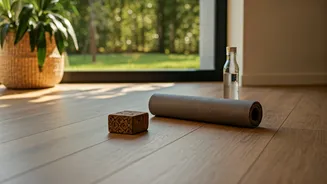
The physical postures, or 'asanas', are what most of the modern world identifies as yoga. From the simple Tadasana (Mountain Pose) to the complex Sirsasana (Headstand), these poses are designed to build strength, improve flexibility, and enhance bodily
awareness. They are undeniably beneficial, helping to release physical tension, improve posture, and boost circulation. However, in the classical tradition laid out by the sage Patanjali in the Yoga Sutras, asanas are just one of the 'Eight Limbs of Yoga'. They are the most visible limb, but their primary purpose isn't just physical fitness. They are meant to prepare the body to sit comfortably and steadily for long periods of meditation, creating a stable foundation for the deeper, internal work that follows.
The Power of Your Breath
Have you ever noticed how your breathing changes when you're stressed versus when you're relaxed? The second limb, 'Pranayama', is the conscious regulation of breath. The word itself comes from 'prana' (life force energy) and 'ayama' (to extend or draw out). Techniques like Ujjayi (Ocean Breath) or Nadi Shodhana (Alternate Nostril Breathing) are central to yoga. They do more than just bring oxygen into your body; they work directly on your nervous system. By slowing down and controlling your breath, you can shift your body from a 'fight-or-flight' state to a 'rest-and-digest' state. This calms the mind, reduces anxiety, and bridges the gap between your physical body and your mental state. For many, mastering the breath is a more profound practice than mastering a difficult pose.
A Blueprint for How You Live
Yoga also provides a complete ethical framework for how to interact with the world and with yourself. The first two limbs, the 'Yamas' (restraints) and 'Niyamas' (observances), are moral principles that guide a yogi's life off the mat. The Yamas include concepts like 'Ahimsa' (non-violence), 'Satya' (truthfulness), and 'Asteya' (non-stealing). These aren't just abstract ideas; they are practical guides for creating harmony in your relationships and community. The Niyamas, such as 'Saucha' (cleanliness), 'Santosha' (contentment), and 'Tapas' (self-discipline), are about personal conduct and cultivating a positive inner environment. Together, they suggest that yoga is a 24/7 practice, woven into the fabric of your daily actions and attitudes.
The Journey Inward
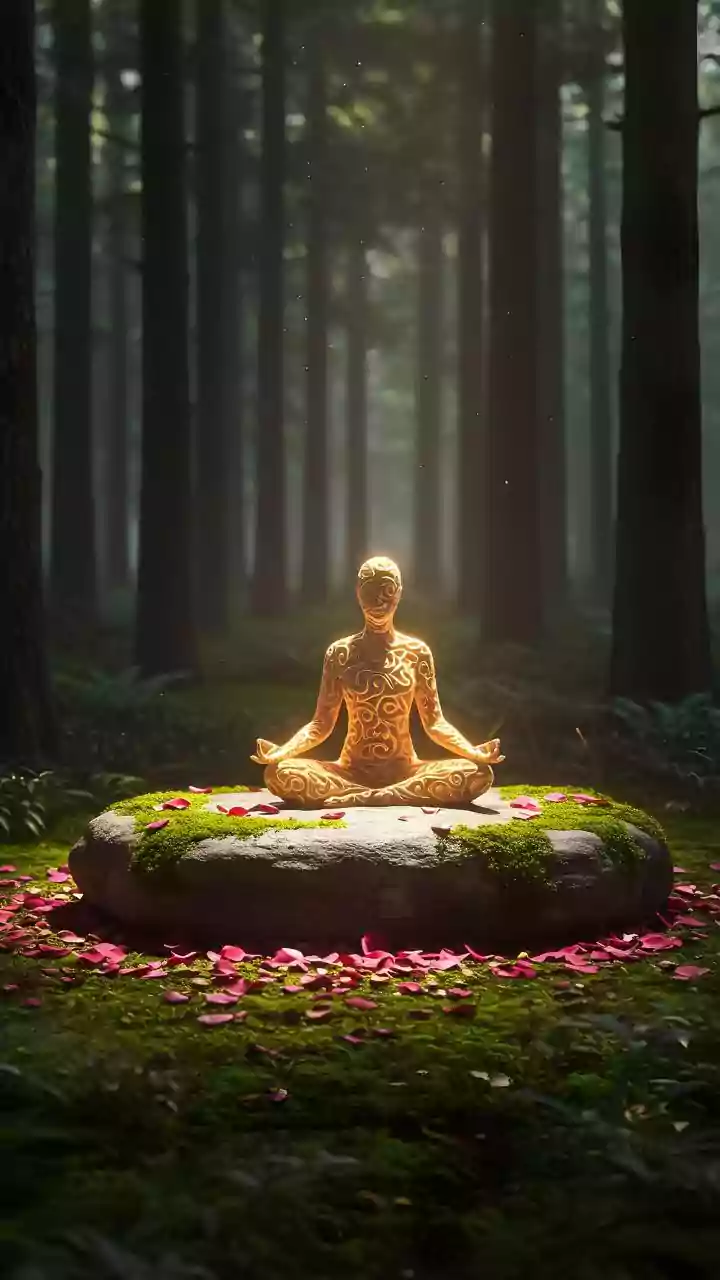
The ultimate goal of yoga, according to ancient texts, is the cessation of the fluctuations of the mind. The later limbs of yoga map out this internal journey. 'Pratyahara' is the withdrawal of the senses, learning to turn your focus inward away from external distractions. This leads to 'Dharana', or deep concentration, where you train the mind to focus on a single point. As concentration becomes effortless, it evolves into 'Dhyana', or meditation—a state of profound awareness without a specific focus. The final limb, 'Samadhi', is a state of blissful union or enlightenment. While this may sound esoteric, the progression is practical: quiet the body with asana, calm the nervous system with pranayama, and then systematically train the mind to find stillness and clarity.
Finding Your Path
Recognising that people have different temperaments, yogic tradition offers multiple paths. While the eight limbs describe Raja Yoga (the royal path of meditation), there are other equally valid approaches. 'Bhakti Yoga' is the path of devotion, often involving chanting and prayer, suited for those with an emotional nature. 'Jnana Yoga' is the path of knowledge and intellect, appealing to the philosophical and analytical mind. 'Karma Yoga' is the path of selfless action, where one performs their duties without attachment to the results. This means you don't have to be flexible or even step on a mat to be a 'yogi'. You can practice yoga by serving your community, studying scripture, or through heartfelt devotion.