



The Ingredients of the Bill
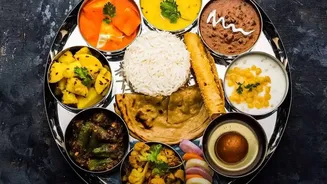
First, let's break down the thali itself. A typical platter includes staples like rice, roti (flatbread), dal (lentils), a couple of seasonal vegetable preparations (sabzi), curd, and perhaps a small sweet. The cost of these raw materials is the first
and most foundational layer of the final price. Prices for essentials like tur dal, rice, and wheat flour are influenced by the monsoon's performance, government support prices, and overall inflation. Recent data from September 2026 shows that food costs have remained elevated due to tightening supplies of key staples. For example, onion prices saw a massive 89% year-on-year jump in September, significantly driving up the cost of preparing meals. These base costs fluctuate, but they set the initial floor for any thali's price.
The Volatile Vegetable Basket
Vegetables, especially staples like onions, tomatoes, and potatoes, are the most volatile component. Their prices are hyper-local and can change weekly due to weather, pests, and supply chain disruptions. A city closer to major agricultural belts will often have access to cheaper, fresher produce than a city that has to transport vegetables over long distances. Fuel costs play a major role here; higher diesel prices mean higher freight charges, which get passed on to the restaurant and then the consumer. A poor monsoon can delay harvests, as seen with the kharif crop, causing supply constraints and price spikes for essentials just as festive demand picks up.
Location, Location, Location
The single biggest differentiator between cities is often the cost of real estate. A restaurant's rent is a massive operational expense. According to 2026 data, commercial rent in a prime Mumbai location like Bandra-Kurla Complex can be over Rs 300 per square foot per month, whereas a similar Grade A space in Kolkata might be closer to Rs 58 per square foot. This vast difference in rental cost must be recovered through menu prices. It’s why a thali in a high-street location in Delhi's Khan Market or Bengaluru's Indiranagar will inevitably be pricier than one in a less central neighbourhood, even if the ingredients are identical.
The Human and Hidden Costs
Labour is another significant expense that varies by city. Salaries for chefs, servers, and cleaning staff are much higher in metropolitan hubs like Bengaluru, Mumbai, and Delhi-NCR compared to Tier-2 or Tier-3 cities. Beyond salaries, restaurants often provide staff with accommodation and meals, adding to the overhead, especially in expensive urban areas. Then there are the 'hidden' costs: commercial LPG cylinders, electricity, water, and various licenses. The price of commercial LPG, for instance, has been volatile, forcing many restaurants to factor this into their pricing. Finally, taxes like GST apply, though their direct impact can be complex as restaurants must manage these costs against their profitability.
The Margin for Profit
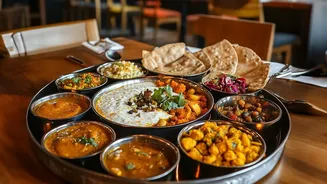
After accounting for all these costs—food, rent, labour, utilities—the restaurant adds its profit margin. This isn't just a fixed percentage. It depends on the restaurant's brand positioning. A simple canteen or a 'dhaba' operates on high volume and lower margins. In contrast, a fine-dining restaurant offering an 'artisanal' thali in an upscale setting is selling an experience as much as a meal. Their margins will be higher to account for superior service, decor, and brand value. Typically, a restaurant's net profit margin is surprisingly tight, often falling between 3% and 9%. Therefore, the final price you pay is a careful balancing act between covering costs and remaining competitive.