




The Unsung Hero of Your Pantry
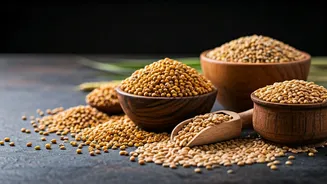
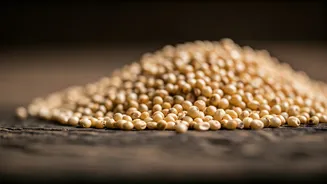
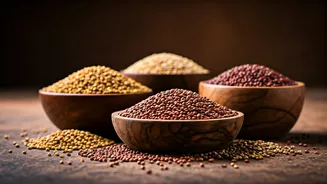
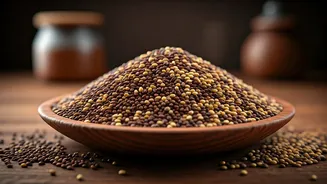
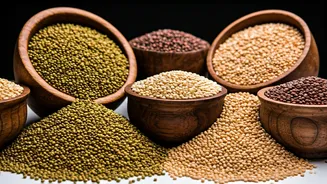
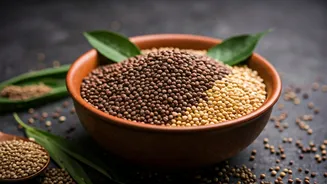
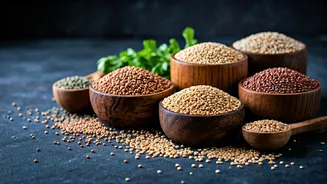
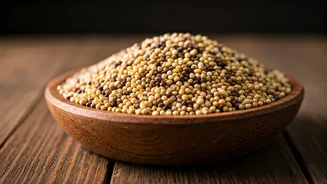
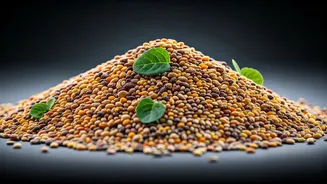
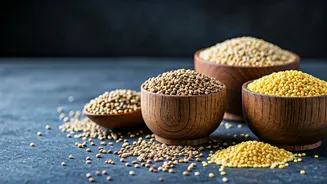
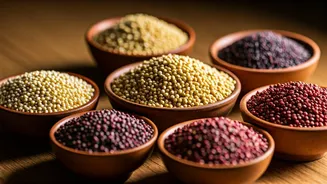
Let’s talk about jowar, also known as sorghum. For thousands of years, this hardy millet was a staple across India, especially in the drier, semi-arid regions of Maharashtra, Karnataka, and Rajasthan. It was the grain of the people—versatile, resilient,
and deeply nourishing. However, with the rise of modern agriculture and the push for high-yield crops like wheat and rice, jowar was gradually relegated to the sidelines, often dismissed as rural or old-fashioned. But what we’ve forgotten is that this ancient grain is a treasure trove of nutrients, perfectly suited to tackle some of our most modern health challenges. It's naturally gluten-free, packed with goodness, and its time for a revival in our kitchens.
A Powerhouse of Nutrition
Don’t let its small size fool you; jowar packs a serious nutritional punch. A 100-gram serving delivers around 11 grams of protein and a remarkable 7 grams of dietary fibre. But it doesn't stop there. Jowar is a rich source of essential minerals like iron, magnesium, potassium, and phosphorus. It is also loaded with B vitamins, which are crucial for energy metabolism and brain function. Furthermore, jowar is filled with antioxidants like phenolic compounds and flavonoids, which help fight oxidative stress and inflammation in the body. Unlike refined flours that are stripped of their nutrients, whole jowar offers a complete package of health-boosting compounds.
Your Ally Against Blood Sugar Spikes
One of jowar's most significant advantages is its impact on blood sugar. With a glycemic index (GI) of around 62, it sits comfortably lower than whole wheat (around 72). This means it releases sugar into the bloodstream more slowly, preventing the sharp spikes and crashes associated with high-GI foods. This slow release is thanks to its high fibre content and complex carbohydrates, which take longer to digest. This makes jowar an excellent choice not just for individuals managing diabetes but for anyone looking to maintain stable energy levels throughout the day and avoid mid-afternoon slumps. It keeps you feeling full and satisfied, which can also aid in weight management.
Happy Gut, Happy You
Digestive health is the foundation of overall wellness, and this is another area where jowar shines. Its substantial fibre content, particularly insoluble fibre, adds bulk to stool and promotes regular bowel movements, helping to prevent constipation. The fibre also acts as a prebiotic, feeding the beneficial bacteria in your gut and supporting a healthy microbiome. For those with sensitivities, jowar is a blessing. As a naturally gluten-free grain, it's an ideal and safe alternative for people with celiac disease or non-celiac gluten sensitivity, offering a nutritious base for rotis, dosas, and more without causing digestive distress.
Easy to Weave into Your Diet
Adopting jowar doesn’t require a complete overhaul of your eating habits. Start simple. Swap your usual wheat rotis for jowar rotis a few times a week. You can begin by mixing jowar flour with your regular atta to get accustomed to the taste and texture. Jowar can also be used to make a hearty upma or porridge for breakfast. Popped jowar makes for a light, crunchy snack, similar to popcorn. You can even use whole cooked jowar as a substitute for rice in khichdi or pulao, adding a nutty flavour and a boost of nutrients to your favourite comfort meals. Its versatility is its strength, making it easy to incorporate into dishes you already love.