


A New Career Blueprint
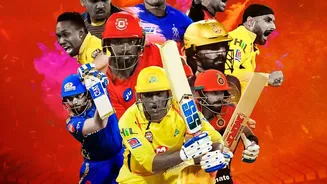
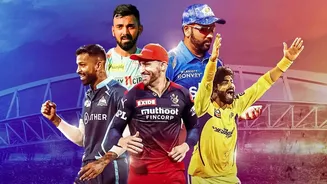
The fundamental question for an aspiring professional cricketer is no longer just if they will play for their country, but how they will balance it with franchise opportunities. The Indian Premier League, once a two-month spectacle, has evolved into the centre
of a global T20 ecosystem. This has created an entirely new and viable career path: that of a T20 freelancer. Players can now earn more in a single IPL season than through many annual national contracts. This financial reality is forcing a major rethink in career planning. The traditional pyramid with Test cricket at its peak is being challenged by a model where players might specialise in shorter formats earlier, prioritising leagues that offer immense financial security and global exposure.
The Rise of the Year-Round Franchise Player
The shift extends far beyond the IPL's two-month window. Many IPL franchise owners now also own teams in other leagues around the world, including South Africa’s SA20, the Caribbean Premier League (CPL), and Major League Cricket (MLC) in the USA. This has given rise to multi-club, year-round contracts. A player can now be employed by the same ownership group to play in India, the Caribbean, and South Africa, creating a nearly continuous circuit of franchise cricket. For the player, this offers unprecedented financial stability. For the franchise, it allows them to secure top talent, share scouting information, and build a global brand. This is moving the sport closer to a football-style club model, where a player's primary allegiance, at least contractually, is to their franchise network.
The Financial Gravity is Undeniable
The numbers tell a compelling story. In 2026, the IPL team salary cap stood at a staggering $18.1 million, with top players earning contracts worth over $3 million. In contrast, a Grade A contract from the BCCI, India's highest tier, offers significantly less for a full year of national commitments. For players from other countries, the disparity can be even more stark. This has led to a growing number of players forgoing national contracts or retiring from specific formats to maximise their earnings on the T20 circuit. Players like Heinrich Klaasen of South Africa and Nicholas Pooran of the West Indies have stepped away from international duties, at least in some capacity, to focus on franchise leagues where they are in high demand.
Player Power and a Changing Identity
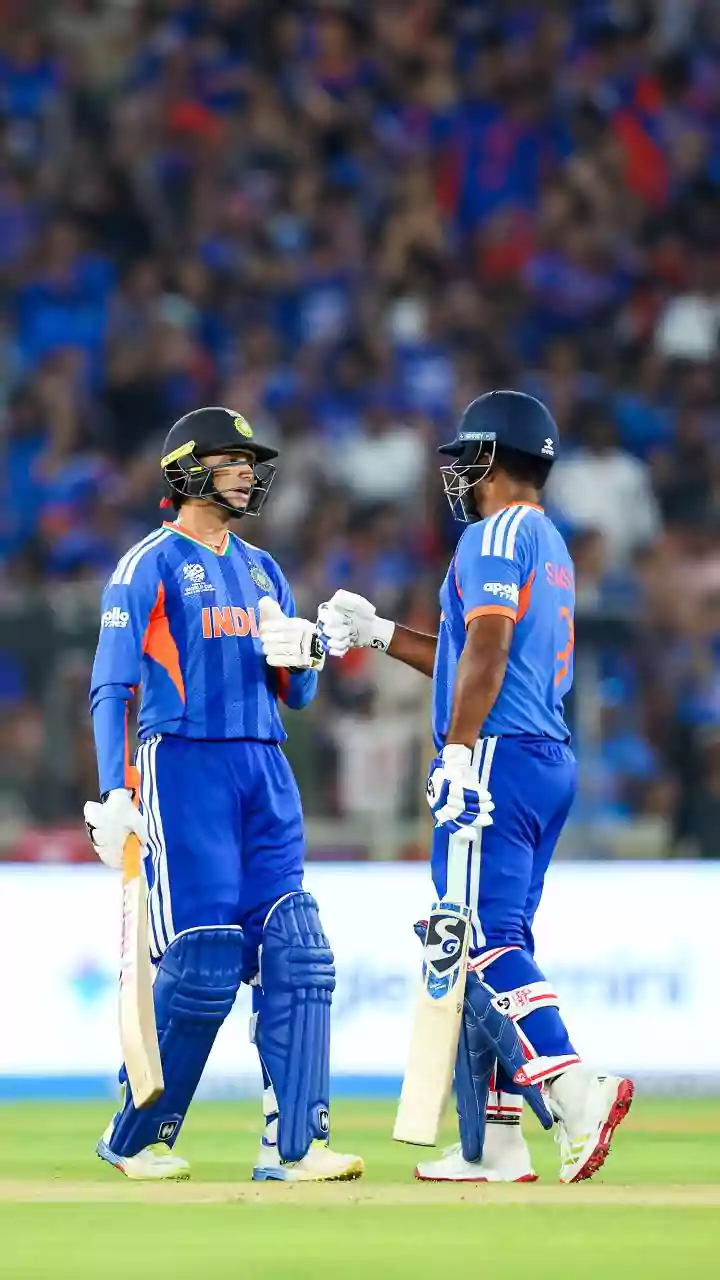
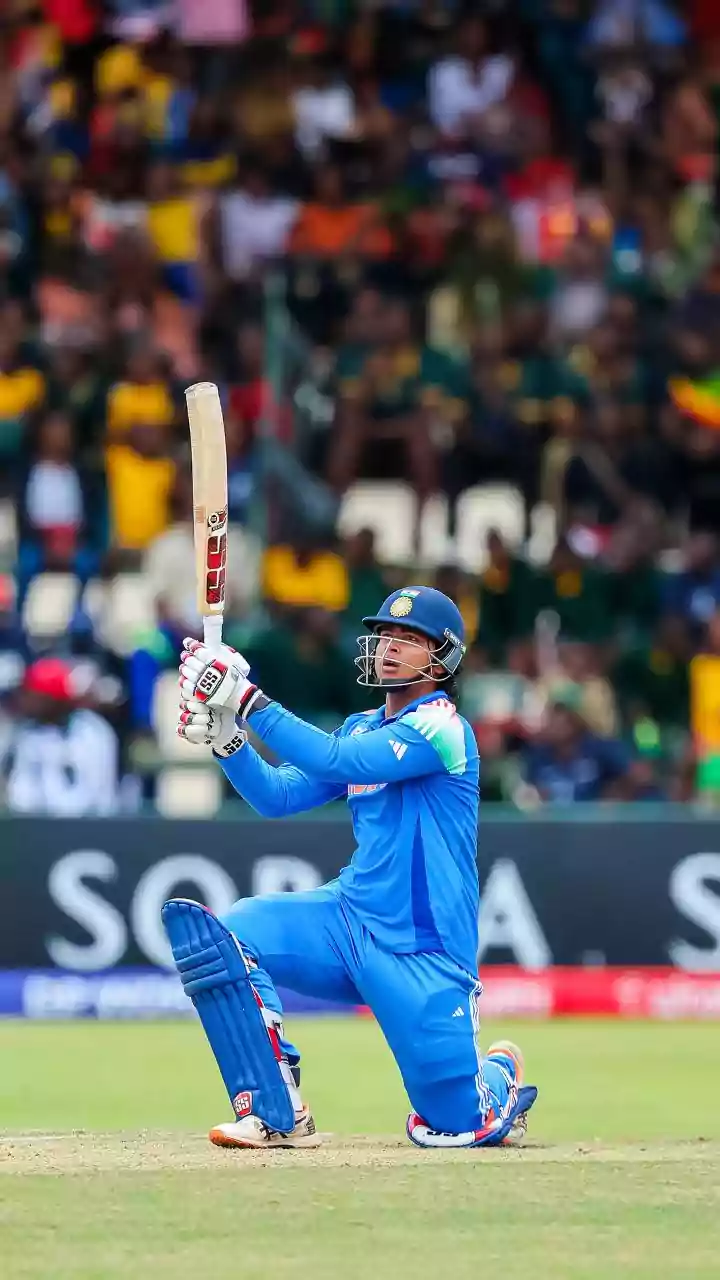
This new dynamic has handed significant power to the players. Top T20 stars are now global assets, able to pick and choose their schedules in a way that was previously unimaginable. This creates a dilemma for national boards, who struggle to ensure the availability of their best players for bilateral series that often clash with lucrative leagues. The issue has become so pressing that the International Cricket Council (ICC) has formed a committee to find ways to harmonise the international calendar with the growing number of franchise leagues. The concern is that if the trend continues, international cricket outside of major World Cup events could lose its primacy, becoming secondary to the franchise world.
A Collision or a Coexistence?
The debate is often framed as 'club vs. country,' but the reality is more complex. Many argue that leagues like the IPL have improved the overall standard of cricket by providing a high-pressure environment for young players to learn from the world's best. The exposure and experience gained are invaluable. The future likely doesn't involve one side winning out over the other. Instead, cricket is moving towards a hybrid model. The World Cricketers' Association has proposed dedicated windows for international cricket within the calendar, allowing franchise leagues to operate without constant conflict. This would enable the two to coexist, acknowledging the financial and professional realities of the modern game while preserving the cultural significance of playing for one's country.