

The banana flower is a prized ingredient in Indian kitchens, but its tendency to quickly turn brown can be frustrating. This simple kitchen trick, however, ensures your 'vazhaipoo' stays fresh and appealing from chopping board to plate.
What Exactly Is a Banana Flower?
Known as 'kele
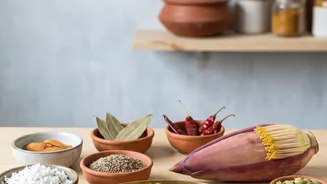
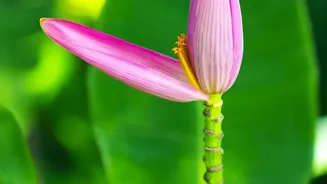
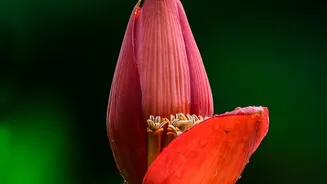
ka phool' in Hindi or 'vazhaipoo' in Tamil, the banana flower, or banana blossom, is the large, purplish, tear-drop shaped flower that grows at the end of a banana bunch. If left on the tree, these blossoms would eventually develop into bananas. A staple in South and Southeast Asian cuisine, this edible flower is celebrated for its unique texture and ability to absorb flavours, making it a star in dishes like stir-fries (poriyal), curries (sabji), and fritters (vada). While it looks intimidating, preparing it is straightforward once you know the basics.
The Science Behind the Browning
The moment you cut into a banana flower, you expose its cells to the air. This triggers a chemical reaction called enzymatic browning. The flower's tissues contain an enzyme called polyphenol oxidase (PPO). When this enzyme comes into contact with oxygen, it causes the phenolic compounds in the flower to oxidize, creating the dark pigments, or melanin, that turn the flesh brown or black. This is the exact same process that causes sliced apples, potatoes, and avocados to discolour. While harmless, this browning can make the final dish look less appealing.
Your Kitchen's Secret Weapon: Acid
The solution to preventing this browning is surprisingly simple: acid. Soaking the chopped banana flower in a bowl of acidic water effectively stops the browning process. Buttermilk, which contains lactic acid, or water mixed with lemon or lime juice, which contains citric acid, works perfectly. These acids lower the pH on the surface of the chopped flower, creating an environment where the polyphenol oxidase enzyme is deactivated. By inhibiting the enzyme, you pause the chemical reaction, keeping the pieces pale and fresh until you are ready to cook them.
A Step-by-Step Guide to Perfection
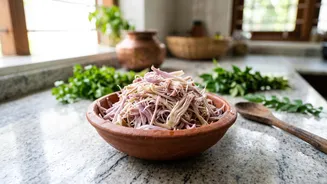
Preparing a banana flower is a rewarding process. First, apply some oil to your hands and knife to prevent the sticky sap from staining them. Prepare a large bowl with water and add a few tablespoons of buttermilk or the juice of one lemon. As you peel away the tough, outer purple leaves (bracts), you will find rows of smaller yellow florets. From each of these florets, you must remove the tough, matchstick-like stamen and the small, translucent plastic-like petal, as they can be bitter and tough. As you clean and chop the florets and the tender inner core, immediately place them into the prepared acidic water. This immediate soaking is crucial to prevent oxidation. Let them sit in the water until you are ready to proceed with your recipe.
More Than Just a Delicious Ingredient
Beyond its culinary uses, the banana flower is packed with nutritional benefits. It is a fantastic source of both soluble and insoluble dietary fibre, which aids digestion and promotes gut health. It is also rich in essential minerals like potassium, iron, magnesium, and copper. Traditional medicine has long valued the banana flower for its potential to help manage blood sugar levels and boost haemoglobin due to its iron content. Furthermore, it is loaded with antioxidants like flavonoids and tannins that help protect the body's cells from damage.