








The Brain-Gut Disconnect
One of the biggest issues with fast eating is the lag in communication between your stomach and your brain. It takes approximately 20 minutes for your digestive system to send hormonal signals, like leptin and peptide YY, to your brain to register that
you're full. [2, 6, 7] When you eat too quickly, you can easily consume more food than your body needs before this “I’m full” message arrives. [1, 2] This often leads to that familiar, uncomfortable feeling of being overly stuffed long after you've put your fork down. [6, 13] Over time, this pattern can contribute to weight gain and an increased risk for metabolic syndrome, a cluster of conditions that includes high blood pressure and high blood sugar. [1, 2, 11]
The Mechanical Problem of Eating Fast
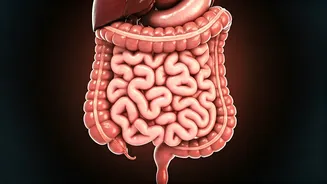
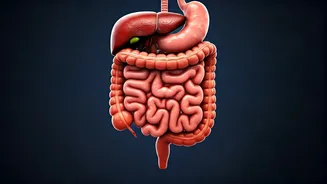
Digestion is a mechanical and chemical process that begins in the mouth. [3] Chewing thoroughly breaks food into smaller, more manageable pieces and mixes it with saliva, which contains enzymes that kick-start digestion. [2, 17, 18] When you eat fast, you tend to take larger bites and chew less, sending bigger chunks of food to your stomach. [1, 3] This forces your digestive system to work much harder to break everything down. [4, 5] Additionally, rapid eating often causes you to swallow excess air, which can lead to uncomfortable bloating, gas, and frequent burping. [3, 5, 17]
Common Complaints: Indigestion and Heartburn
The combination of poorly chewed food and a stomach filled too quickly can trigger a cascade of uncomfortable symptoms. Indigestion, characterized by a heavy or burning feeling in your abdomen, is a common result. [8] Fast eating can also increase stomach acid production, raising the risk of acid reflux and heartburn as the overfilled stomach may allow acid to splash back into the esophagus. [1, 3, 5] Over time, if this becomes a habit, it can even contribute to chronic conditions like gastritis or gastroesophageal reflux disease (GERD). [3, 9]
How to Reclaim a Slower, Healthier Pace
Slowing down your eating is a skill that can be learned. It requires mindfulness and a bit of practice, but the benefits for your digestion and overall well-being are significant. Start by setting aside a dedicated time for your meals—ideally at least 20-30 minutes—without distractions like your phone or the TV. [1, 12] Consciously chewing each bite 15 to 30 times can feel strange at first but is highly effective. [1, 16] Another simple trick is to put your fork down between bites; this creates a natural pause, forcing you to slow down. [12, 16] Sipping water throughout your meal can also help, as it aids digestion and helps you feel fuller. [1, 6]
The Power of Mindful Eating
Ultimately, the goal is to practice more mindful eating. This means paying attention to the entire experience of your meal—the flavors, textures, and smells of your food. [6, 10] Before you begin, take a moment to look at your plate and express a little gratitude for the nourishment it provides. [16] This small shift in mindset can help you become more present and intentional with how you eat. By turning off distractions and engaging your senses, you not only improve your digestion but also enhance your enjoyment of food, fostering a healthier relationship with your meals in the long run. [1, 10]